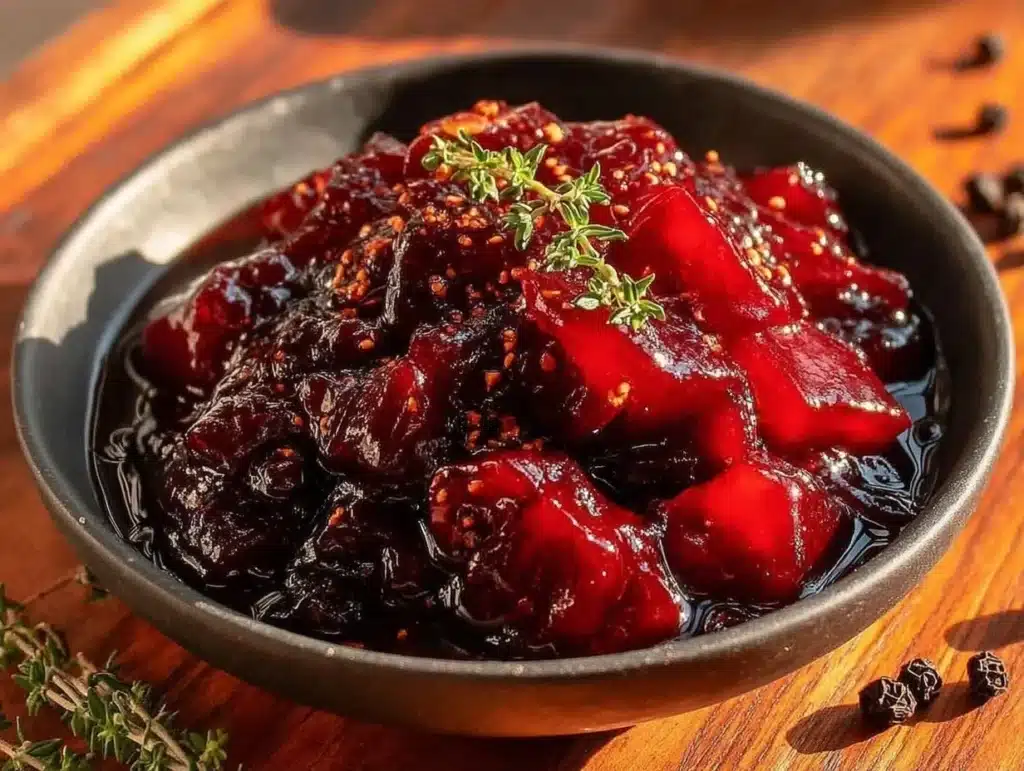
The smell of a rich red wine reduction sauce hitting a hot pan is pure magic. It’s that deep, intoxicating aroma of tannins and fruit that instantly transforms a simple kitchen into a high-end bistro. I still remember the first time I made this sauce. I was trying to salvage a slightly overcooked steak that had gone from perfect to tough in a matter of minutes. Panic set in, but then I poured in a glass of cheap Merlot and some beef broth. Within minutes, the kitchen smelled like heaven, and the sauce saved the meal completely.
That night taught me that a little wine and a lot of patience can turn dinner disaster into a triumph. Honestly, there is nothing quite like the comfort of a glossy, dark pan sauce drizzled over roasted vegetables or a juicy cut of meat. It adds a layer of sophistication that feels impossible to achieve with just salt and pepper alone. This recipe is your ticket to restaurant-quality dinners at home.
I’ve tested this rich red wine reduction sauce over a dozen times. I’ve used everything from box wine to expensive Cabernet, and I’ve learned exactly what works best. The secret isn’t the price of the bottle; it’s the technique. You know how some sauces taste thin and watery? Not this one. This sauce clings to every bite. It’s velvety, bold, and surprisingly easy to make.
Whether you are hosting a date night or just want to treat yourself on a Tuesday, this sauce delivers. It’s perfect for steak lovers, vegetarians who want umami depth, and anyone who believes that dinner should be an event. Let’s face it, we all want to feel like a chef sometimes. This rich red wine reduction sauce makes that happen without the stress.
Why You’ll Love This Recipe
There is a reason this sauce has become a staple in my kitchen. It’s not just about taste; it’s about the confidence it gives you when you’re cooking. After years of experimenting with different liquids and thickeners, I’ve found that this specific combination of ingredients creates the most balanced flavor profile. It’s not too acidic, not too sweet, just perfectly balanced. Here is why you are going to love making this:
- Quick & Easy: You can have this sauce ready in under 15 minutes. It’s perfect for busy weeknights when you want something fancy but don’t have hours to spare.
- Simple Ingredients: You likely already have most of these items in your pantry. Red wine, butter, shallots, and broth. No fancy grocery trips needed.
- Perfect for Date Night: Elevate your romantic dinners with a sauce that looks impressive but is incredibly simple to execute.
- Crowd-Pleaser: Adults love the complexity, and kids often love the slight sweetness. It’s a versatile sauce that appeals to all palates.
- Unbelievably Delicious: The texture is silky and the flavor is deep. It’s the kind of sauce that makes you close your eyes after the first bite.
What makes this recipe different is the balance of fat and acid. Many people make the mistake of reducing wine until it’s syrupy, which can be too sharp. I add a touch of butter at the end to round out the edges. It’s a technique I learned from a chef friend years ago. This isn’t just another version of pan sauce; it’s the one that works every single time.
It’s comfort food reimagined for the adult palate. It’s healthier than a heavy cream sauce but just as satisfying. Perfect for impressing guests without stress, or turning a simple meal into something memorable.
What Ingredients You Will Need
This recipe uses simple, wholesome ingredients to deliver bold flavor and satisfying texture without the fuss. The beauty of a red wine reduction is that it relies on the quality of its core components. You don’t need obscure spices or hard-to-find herbs. Just a few key items that work together to create depth and richness.
Here is what you need to gather before you start cooking:
- Red Wine: You need about 1 cup of dry red wine. I recommend a Cabernet Sauvignon or a Merlot. Avoid cooking wine from the vinegar aisle; it tastes metallic. Use a bottle you would actually drink.
- Shallots: Use 2 medium shallots, finely minced. Shallots are sweeter and more delicate than onions, which prevents the sauce from becoming too pungent. If you can’t find them, yellow onion works in a pinch.
- Beef or Mushroom Broth: Use 1 cup of low-sodium broth. Beef broth adds a meaty depth that pairs well with steak, while mushroom broth is great for vegetarian options. Look for a brand with no added MSG for the cleanest taste.
- Unsalted Butter: Add 2 tablespoons of cold, unsalted butter at the end. This is crucial for that glossy finish. I prefer European-style butter for its higher fat content, which creates a richer mouthfeel.
- Fresh Thyme: Use 2-3 sprigs of fresh thyme. Dried thyme can be too dusty and bitter. Fresh herbs infuse the sauce with a floral, earthy note that complements the wine beautifully.
- Black Pepper: Freshly cracked black pepper is essential. Pre-ground pepper loses its potency quickly. Use a mortar and pestle or a fresh grinder for the best flavor.
- Salt: Use kosher salt to taste. Remember that the broth and butter already contain sodium, so taste before adding more.
- Optional: Honey or Balsamic Vinegar: If your wine is very acidic, a teaspoon of honey can balance it out. A splash of balsamic adds extra color and complexity.
Keep this section scannable so you can grab what you need quickly. The key to success here is quality. Don’t skimp on the wine or the butter. These are the stars of the show.
Can I use white wine instead?
You can, but the flavor profile will change completely. White wine reduction is lighter and more acidic, suitable for fish or chicken. For this specific rich, dark sauce, stick to red wine.
What if I don’t have shallots?
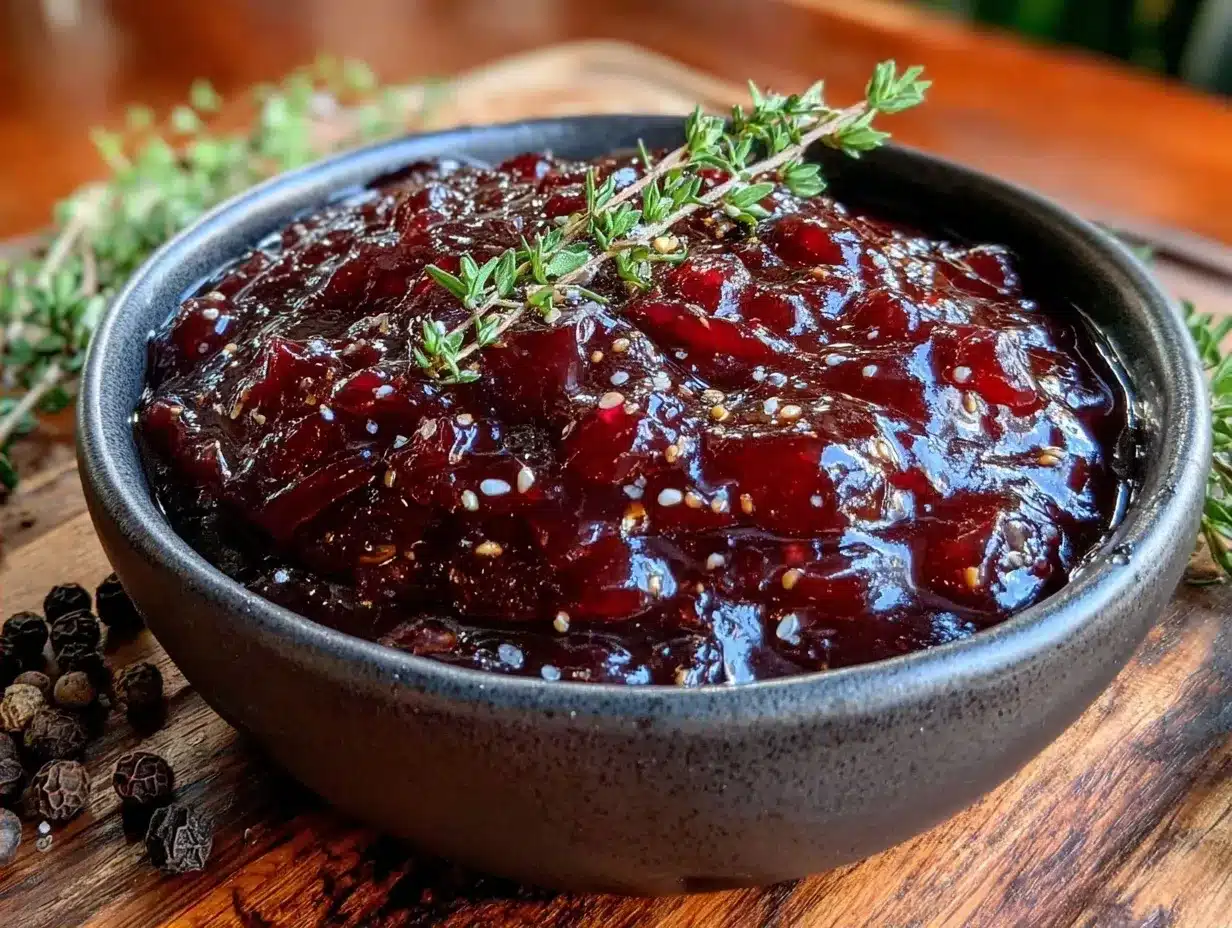
Yellow onion is a fine substitute. Just make sure to cook it until it is completely translucent and soft to remove the raw bite. Red onion can add a weird color, so stick to yellow.
Equipment Needed
You don’t need a professional kitchen to make this sauce. The right tools make the process smoother and help you achieve that professional sheen. Here is what you will need:
- Small Saucepan or Skillet: Use a heavy-bottomed saucepan or a stainless steel skillet. A heavy bottom distributes heat evenly, preventing the wine from burning too quickly. Non-stick pans are okay, but you won’t get the same fond (browned bits) if you are deglazing a pan.
- Wooden Spoon or Heat-Proof Spatula: Essential for scraping the bottom of the pan and stirring the reduction without scratching your cookware.
- Whisk: A small whisk is helpful for emulsifying the butter into the sauce at the end. It helps create that uniform, silky texture.
- Measuring Cups and Spoons: Precision matters in reductions. Since the liquid evaporates, getting the initial ratios right is key.
- Strainer (Optional): If you prefer a completely smooth sauce, a fine-mesh strainer is useful to remove the thyme sprigs and minced shallots. However, I like leaving the shallots in for texture.
I’ve learned the hard way that thin pans burn wine instantly. Invest in a decent saucepan if you cook often. It will save you from frustrated evenings.
Preparation Method
Making this rich red wine reduction sauce is straightforward, but it requires attention. Follow these steps carefully to avoid common pitfalls.
- Prep Your Ingredients: Mince the shallots finely. Measure out your wine and broth. Cut the butter into small cubes and keep them cold. This is called mise en place, and it prevents mistakes when the heat is on. (Time: 5 minutes)
- Sauté the Aromatics: Heat a tablespoon of olive oil or butter in your saucepan over medium heat. Add the minced shallots. Cook them gently for about 3-4 minutes. You want them to become soft and translucent, not browned. If they burn, the sauce will taste bitter. Stir frequently. (Time: 4 minutes)
- Add the Thyme: Toss in the fresh thyme sprigs. Let them sizzle for 30 seconds to release their oils. The kitchen should start smelling herbal and sweet now. (Time: 30 seconds)
- Deglaze and Reduce Wine: Pour in the red wine. Use your wooden spoon to scrape up any browned bits from the bottom of the pan. These bits are full of flavor. Let the wine come to a boil, then reduce the heat to medium-low. Let it simmer vigorously. You want to reduce the wine by half. This concentrates the flavor and removes the harsh alcohol taste. (Time: 8-10 minutes)
- Add the Broth: Once the wine has reduced, pour in the beef or mushroom broth. Bring it back to a simmer. Let it cook until the liquid reduces by half again. The sauce should be thick enough to coat the back of a spoon. If it looks too thin, let it cook longer. If it looks like syrup, you’ve gone too far. (Time: 10-15 minutes)
- Emulsify with Butter: Remove the pan from the heat. Discard the thyme sprigs. Immediately add the cold cubes of butter. Whisk constantly. The residual heat will melt the butter and create an emulsion. This is the magic step that gives the sauce its gloss. (Time: 2 minutes)
- Season and Serve: Taste the sauce. Add salt and freshly cracked black pepper as needed. If it’s too acidic, add a tiny pinch of sugar or a teaspoon of honey. Serve immediately over your favorite protein or vegetables. (Time: 1 minute)
Don’t walk away while it’s reducing. Wine can go from perfect to burnt vinegar very quickly. Keep an eye on the bubble size.
Why do I need to reduce the wine twice?
Reducing the wine first concentrates the fruit flavors and removes the harsh alcohol. Adding the broth second allows you to build a savory base without over-cooking the wine’s delicate notes. It creates layers of flavor.
How do I know when it’s done?
Do the spoon test. Dip a spoon in the sauce and run your finger across the back. If the line stays clear and the sauce doesn’t run back together immediately, it’s ready.
Cooking Tips & Techniques
There are a few pro tips that separate a good sauce from a great one. I’ve made plenty of mistakes so you don’t have to.
First, never use “cooking wine” from the vinegar aisle. It has salt and preservatives that taste awful. Use a bottle of wine you enjoy drinking. If it’s not good enough to sip, it’s not good enough to cook with.
Second, control the heat. High heat can cause the alcohol to evaporate too fast, leaving a raw, bitter taste. Medium-low is the sweet spot for a gentle reduction. You want the liquid to bubble steadily, not violently.
Third, add the butter off the heat. If you add butter to a boiling sauce, it can break and become oily. Removing the pan from the heat and whisking in cold butter ensures a smooth, creamy emulsion.
Finally, don’t skip the tasting. Sauces change as they reduce. What tasted balanced at the start might be too salty or acidic at the end. Adjust your seasoning at the very last moment.
I once made this sauce while answering the phone. I walked away for two minutes, and the wine turned into a sticky, burnt mess. Don’t be like me. Stay present.
Can I make this ahead of time?
Yes, but add the butter right before serving. If you make the sauce ahead, reheat it gently and whisk in the butter at the end to restore the gloss.
Why is my sauce too thin?
Keep simmering! It just needs more time for the water to evaporate. You can also add a tiny slurry of cornstarch and water if you are in a rush, but reduction is always better.
Variations & Adaptations
This recipe is a versatile base. Here are a few ways to tweak it for different tastes:
- Garlic Lover’s Version: Add two cloves of minced garlic along with the shallots. Garlic adds a pungent kick that pairs well with red meat.
- Spicy Kick: Add a pinch of red pepper flakes when you add the thyme. This adds a subtle heat that cuts through the richness of the butter.
- Vegan Option: Swap the beef broth for mushroom broth and use olive oil or vegan butter instead of dairy butter. The flavor remains deep and savory.
- Balsamic Twist: Add one tablespoon of balsamic vinegar when you add the broth. This adds a tangy sweetness and a darker color.
I often make a garlic version for my husband. He loves the extra punch. Try the spicy version if you like your food with a bit of fire.
Can I use sweet wine?
It’s possible, but the sauce will be very sweet. You would need to add more acid, like vinegar or lemon juice, to balance it. Stick to dry wine for the best result.
What if I only have white wine?
You can make a white wine reduction, but it will be lighter and less “rich.” It’s better suited for chicken or fish dishes. For this specific recipe, red wine is key.
Serving & Storage Suggestions
This sauce is incredibly versatile. Serve it over a seared steak, grilled chicken, or roasted root vegetables. It also pairs beautifully with mashed potatoes or polenta. The sauce soaks into the carbs and adds moisture.
For presentation, drizzle the sauce over the plate just before serving. Use a spoon to create swooshes for a restaurant-style look. Garnish with a fresh sprig of thyme or a crack of black pepper.
Leftovers can be stored in an airtight container in the refrigerator for up to 3 days. The sauce will thicken significantly when cold. To reheat, add a splash of water or broth and warm it gently on the stove. Whisk well to loosen it up.
Do not freeze this sauce if it contains butter, as the texture may separate upon thawing. It’s best enjoyed fresh.
How long does it last in the fridge?
Up to 3 days. Make sure to let it cool completely before sealing the container to prevent condensation.
Can I freeze it?
I don’t recommend it. The butter can separate. If you must, freeze the wine-broth reduction without the butter, then add fresh butter when reheating.
Nutritional Information & Benefits
While this sauce is indulgent, it is relatively low in calories per serving because you use it sparingly. A typical serving (2 tablespoons) contains approximately 80-100 calories, depending on the amount of butter used.
Red wine contains antioxidants like resveratrol, which may have heart health benefits. However, most of the alcohol evaporates during cooking, leaving the flavor compounds. The shallots add a small amount of fiber and vitamin C.
For those watching their sodium, using low-sodium broth and unsalted butter helps keep the salt content in check. It’s a lighter alternative to heavy cream-based sauces, making it a slightly healthier indulgence.
Is this sauce keto-friendly?
Yes, if you use a dry red wine and no added sugar. Wine has some natural sugars, but they reduce significantly. Check your specific wine’s carb count to be sure.
Does the alcohol cook off completely?
Most of it does, but not 100%. If you need a completely alcohol-free option, this might not be suitable. However, the amount remaining is negligible for most people.
Conclusion
This rich red wine reduction sauce is a game-changer for home cooks. It takes simple ingredients and turns them into something spectacular. I hope you try it and see how easy it is to add depth to your meals.
Feel free to experiment with different herbs or spices. Make it your own. I love this sauce because it makes me feel like I’ve accomplished something big in the kitchen, even on a busy night.
Let me know how it turns out! Leave a comment below with your favorite way to serve it. Did you add garlic? Did you use a specific wine? I’d love to hear your tips.
Happy cooking, and enjoy every bite!
Frequently Asked Questions
What is the best wine to use for this sauce?
Use a dry red wine like Cabernet Sauvignon, Merlot, or Pinot Noir. Avoid sweet wines or “cooking wine” as they will make the sauce too sweet or salty.
Can I use red wine vinegar instead of wine?
No. Vinegar is too acidic and sharp. Wine provides the necessary fruitiness and body. If you must substitute, mix vinegar with water and sugar, but wine is best.
Why is my sauce grainy?
This usually happens if the butter was added too quickly or the heat was too high. Whisk vigorously and ensure the pan is off the heat when adding butter.
How thick should the sauce be?
It should coat the back of a spoon. If it’s too thin, simmer longer. If it’s too thick, add a splash of broth or water.
Can I make this sauce in advance?
You can make the base (wine and broth) ahead of time. Add the butter fresh when you are ready to serve for the best texture.
Pin This Recipe!
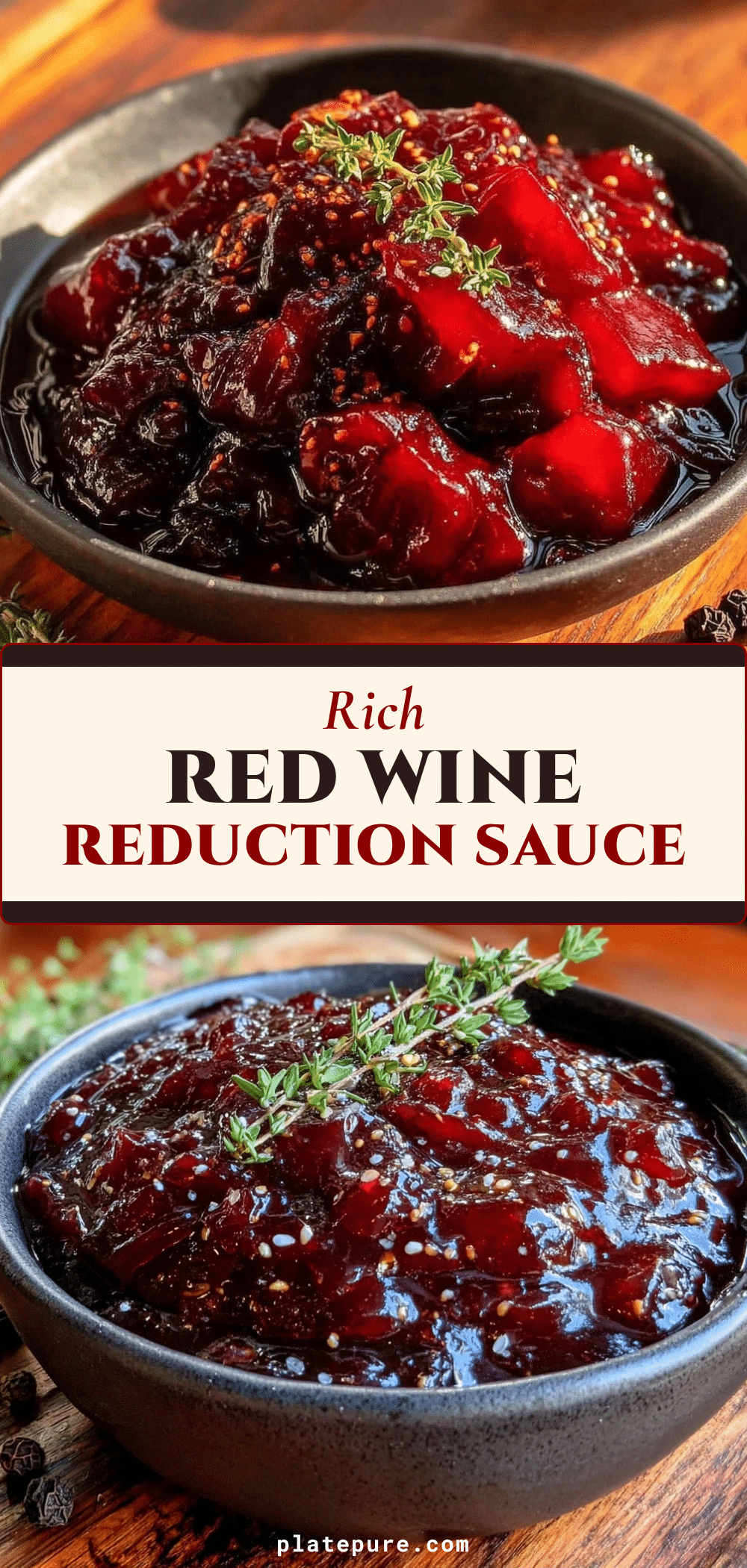

Rich Red Wine Reduction Sauce: Easy 5-Minute Pan Sauce
- Total Time: 30 minutes
- Yield: 4 servings 1x
Description
A velvety, bold, and glossy pan sauce made by reducing dry red wine with beef or mushroom broth, shallots, and finished with cold butter. It adds sophisticated flavor to steaks, vegetables, and more.
Ingredients
- 1 cup dry red wine (such as Cabernet Sauvignon or Merlot)
- 2 medium shallots, finely minced
- 1 cup low-sodium beef or mushroom broth
- 2 tablespoons cold unsalted butter, cubed
- 2–3 sprigs fresh thyme
- 1 tablespoon olive oil or butter (for sautéing)
- Freshly cracked black pepper, to taste
- Kosher salt, to taste
- Optional: 1 teaspoon honey or balsamic vinegar
Instructions
- Prep ingredients: Mince shallots, measure wine and broth, and cube cold butter.
- Heat olive oil or butter in a heavy-bottomed saucepan over medium heat. Add minced shallots and cook gently for 3-4 minutes until soft and translucent, not browned.
- Add fresh thyme sprigs and sizzle for 30 seconds to release oils.
- Pour in the red wine and scrape up any browned bits from the pan. Bring to a boil, then reduce heat to medium-low. Simmer vigorously until the wine reduces by half (8-10 minutes).
- Add the beef or mushroom broth. Simmer until the liquid reduces by half again and coats the back of a spoon (10-15 minutes).
- Remove the pan from the heat and discard thyme sprigs. Immediately add cold butter cubes and whisk constantly until emulsified and glossy (2 minutes).
- Season with salt and black pepper to taste. If too acidic, add a pinch of sugar or honey. Serve immediately.
Notes
Do not use ‘cooking wine’ from the vinegar aisle as it tastes metallic. Control heat to prevent burning; medium-low is ideal. Add butter off the heat to ensure a smooth emulsion. The sauce thickens significantly when cold; reheat gently with a splash of water or broth. Do not freeze if butter is included as it may separate.
- Prep Time: 5 minutes
- Cook Time: 25 minutes
- Category: Sauce
- Cuisine: French
Nutrition
- Serving Size: 2 tablespoons
- Calories: 90
- Sugar: 2
- Sodium: 150
- Fat: 6
- Saturated Fat: 3.5
- Carbohydrates: 4
- Fiber: 0.5
- Protein: 0.5
Keywords: red wine reduction, pan sauce, steak sauce, easy dinner, date night recipe, wine sauce, gourmet cooking