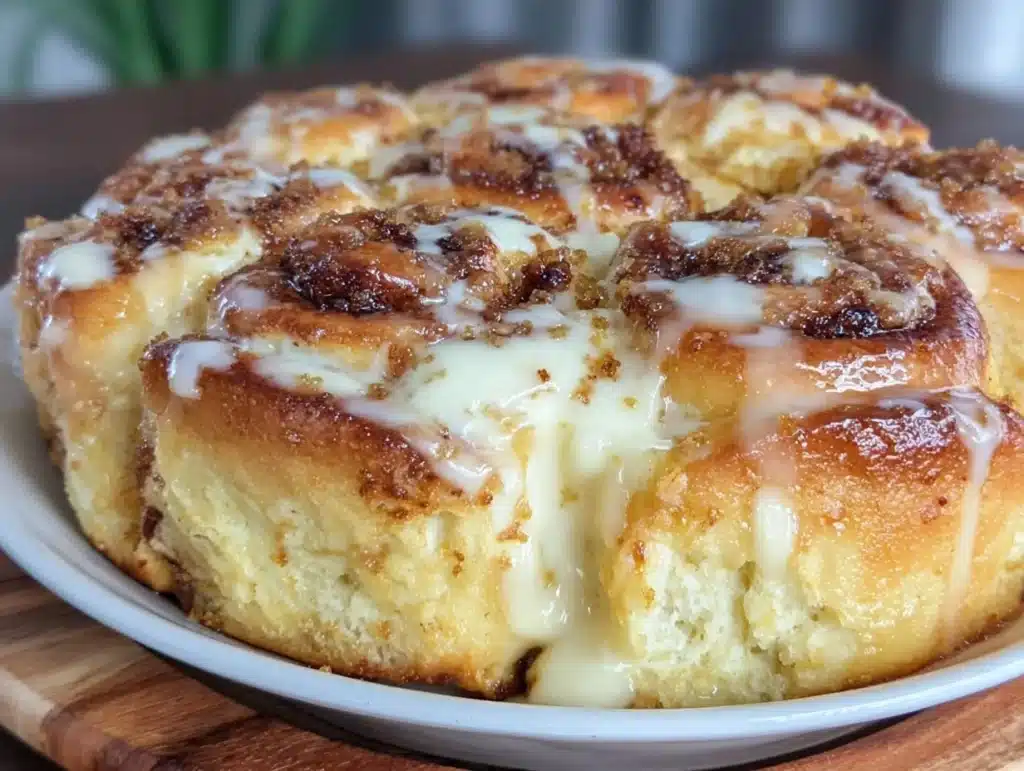
There is a specific kind of magic that happens when the smell of baking dough hits the air, mixed with the sharp, clean scent of fresh orange zest. I remember the first time I truly understood the power of this combination. It was a rainy Sunday morning, and I had just burned my tongue on a cup of coffee that was far too hot. In my frustration, I stumbled into the kitchen and grabbed the nearest loaf of bread. It was slightly stale, but I toasted it with a thick layer of butter and a squeeze of fresh orange juice. The contrast was instant. The rich, salty fat of the butter met the bright, acidic punch of the citrus, and suddenly, my mood shifted. That simple act taught me that breakfast doesn’t have to be heavy or boring. It can be vibrant.
Since then, I have obsessed over finding the perfect balance between doughy comfort and citrus brightness. You know how some recipes feel like they are trying too hard? This one doesn’t. It feels honest. It feels like the kind of treat you make when you want to impress your family but still have time to sit down with them. These orange rolls are my answer to the classic cinnamon roll. They are softer, more fragrant, and somehow feel lighter on the palate, even though they are just as indulgent. I’ve tested this recipe over a dozen times, tweaking the yeast amounts and the glaze consistency, until I landed on this version that consistently delivers that “rich meets bright” experience.
Let’s face it, we all need a little joy in our mornings. These rolls provide that. They are perfect for weekend brunches, holiday gatherings, or just treating yourself on a Tuesday. The dough is pillowy soft, the filling is fragrant with orange oil, and the glaze ties it all together with a sweet-tart finish. If you love bold flavors that wake up your senses, you will fall in love with this recipe. It’s not just bread; it’s a mood. And honestly, it’s better than anything you’ll find at a bakery. The smell alone will have your neighbors knocking on your door.
Why You’ll Love This Recipe
There are a million dough recipes out there. But this one is different. I’ve spent years developing recipes, and I can tell you that most people get the yeast wrong or overwork the dough. This method is forgiving. It’s designed for real kitchens, not professional studios. Here is why this recipe stands out from the crowd:
- Quick & Easy Prep: While the dough needs time to rise, the active prep time is surprisingly short. You can have these in the oven in under two hours from start to finish if you time it right. It’s perfect for busy weeknights when you want something special but don’t have hours to spare.
- Simple Ingredients: You likely already have everything in your pantry. Flour, sugar, yeast, butter, milk, and oranges. No fancy imports or hard-to-find spices. This recipe relies on the quality of your oranges, so pick juicy ones.
- Perfect for Brunch: These are the ultimate show-stopper for a weekend brunch. They look impressive, but the effort is minimal. Pair them with a classic southern sweet tea for a drink that balances the sweetness perfectly.
- Crowd-Pleaser: Kids usually prefer cinnamon, but they love orange. Adults love the sophistication of the zest. It bridges the gap. Everyone at the table will be happy.
- Unbelievably Delicious: The texture is next-level. The dough is tender, not chewy like bread. The glaze is thin and citrusy, not thick and sugary like a standard icing. It melts in your mouth.
What makes this recipe truly special is the balance. Too much sugar makes it cloying. Too much orange makes it sour. This recipe hits the sweet spot. It’s the kind of recipe that makes you close your eyes after the first bite. It’s comfort food reimagined—healthier, faster, but with the same soul-soothing satisfaction. It’s also a great follow-up if you’ve enjoyed my creamy strawberry protein ice cream, as both rely on that same bright, fresh fruit profile to cut through richness.
What Ingredients You Will Need
This recipe uses simple, wholesome ingredients to deliver bold flavor and satisfying texture without the fuss. The key here is quality. Since there aren’t many ingredients, each one plays a huge role. I recommend using fresh, organic oranges if you can find them, as the zest is the star of the show. Avoid bottled orange juice; it lacks the necessary oils for the best flavor.
- All-Purpose Flour: 3 to 3.5 cups (360g to 420g). This is the structure. Don’t use self-rising flour, or the texture will be off. Spoon and level your flour for accuracy.
- Granulated Sugar: 1/3 cup (70g). This feeds the yeast and adds sweetness. You can use brown sugar for a deeper flavor, but white keeps it light.
- Instant Yeast: 2 1/4 teaspoons (one packet). Instant yeast is faster and doesn’t need to be activated in water first. Active dry yeast works too, but you’ll need to bloom it in warm milk first.
- Whole Milk: 1 cup (240ml). Warm, not hot. Hot milk will kill the yeast. Lukewarm is the target.
- Unsalted Butter: 1/4 cup (60g), melted. This adds richness and tenderness to the crumb. I prefer Kerrygold or Anchor butter for flavor.
- Egg: 1 large egg, room temperature. This helps bind the dough and adds structure.
- Orange Zest: From 2 large oranges. Use a microplane for the finest zest. This is where the “bright” flavor comes from. Be careful not to get the white pith, which is bitter.
- Orange Juice: 1/4 cup (60ml) fresh squeezed. For the dough and the glaze. Fresh is non-negotiable for the best taste.
- Salt: 1 teaspoon. To balance the sweetness and enhance the orange flavor.
- For the Filling: 1/2 cup (100g) brown sugar, 2 tablespoons melted butter, and 1 teaspoon orange zest. This creates the fragrant swirl inside the roll.
- For the Glaze: 1 cup (120g) powdered sugar, 2-3 tablespoons fresh orange juice, and 1/2 teaspoon vanilla extract. Adjust juice for consistency.
If you need a dairy-free option, you can swap the milk for oat milk and the butter for a high-quality vegan butter. The texture will be slightly different, but the flavor will still be amazing. For a gluten-free version, a 1:1 gluten-free flour blend works well, though you may need to adjust the liquid slightly.
Equipment Needed
You don’t need a fancy stand mixer to make these rolls, but it does help. A heavy-duty hand mixer works too, though you will need to knead the dough by hand for the last few minutes. A large mixing bowl is essential. I use a glass bowl because I can see the dough rising clearly through the sides.
A 9×13 inch baking dish is standard for this recipe. If you want individual rolls, use a muffin tin. A pastry brush is helpful for brushing melted butter on the rolls before baking, which gives them a nice sheen. A zester or microplane is crucial for getting that fine orange zest. If you don’t have one, a fine grater works, but be careful of your fingers. An oven thermometer is a good idea because ovens can be inaccurate. If your oven runs hot, your rolls might burn before they cook through. I keep a cheap one in my oven drawer to double-check.
For storage, an airtight container is best. If you are making the glaze, a small whisk or fork is all you need. Don’t skip the parchment paper for the baking dish; it makes cleanup so much easier. These tools are basic, but they make the process smoother. I’ve learned the hard way that trying to make yeast dough without a timer is a recipe for disaster (pun intended). So, set a timer for every rise!
Preparation Method
Making these orange rolls is a process, but it’s a rewarding one. Follow these steps carefully for the best results. The key is patience with the dough.
- Activate the Yeast (Optional): If using active dry yeast, mix the warm milk (1 cup) with 1 tablespoon of sugar and the yeast. Let it sit for 5-10 minutes until foamy. If using instant yeast, you can skip this and mix it directly with the flour.
- Mix the Dough: In a large bowl, combine the flour, remaining sugar, salt, and instant yeast. Add the melted butter, egg, orange zest, and orange juice. Mix until a shaggy dough forms. If using a stand mixer, use the dough hook on low speed. If mixing by hand, use a sturdy spoon or your hands.
- Knead the Dough: Turn the dough out onto a lightly floured surface. Knead for 5-7 minutes until smooth and elastic. The dough should pass the “windowpane test”—stretch a small piece thin enough to see light through it without tearing. This develops the gluten, which gives the rolls their soft texture. Place the dough in a greased bowl, cover with a damp towel, and let it rise in a warm place for 1 hour, or until doubled in size.
- Prepare the Filling: While the dough rises, mix the brown sugar, melted butter, and orange zest in a small bowl. It should look like wet sand.
- Shape the Rolls: Punch down the risen dough. Roll it out on a floured surface into a large rectangle, about 12×16 inches. Spread the filling evenly over the dough, leaving a small border at the edges. Starting from the long edge, roll the dough up tightly into a log. Cut the log into 12 equal pieces. I use a sharp knife or dental floss for clean cuts. Place the pieces in a greased 9×13 inch baking dish, spacing them slightly apart.
- Second Rise: Cover the dish again and let the rolls rise for another 30-45 minutes. They should look puffy and jiggly. Preheat your oven to 350°F (175°C) during the last 15 minutes of rising.
- Bake: Bake for 20-25 minutes, or until golden brown. The internal temperature should reach 190°F (88°C). If the tops brown too quickly, cover them loosely with foil.
- Make the Glaze: While the rolls bake, whisk together the powdered sugar, orange juice, and vanilla. Start with less juice and add more until you reach a drizzle-able consistency. It should be thick but pourable.
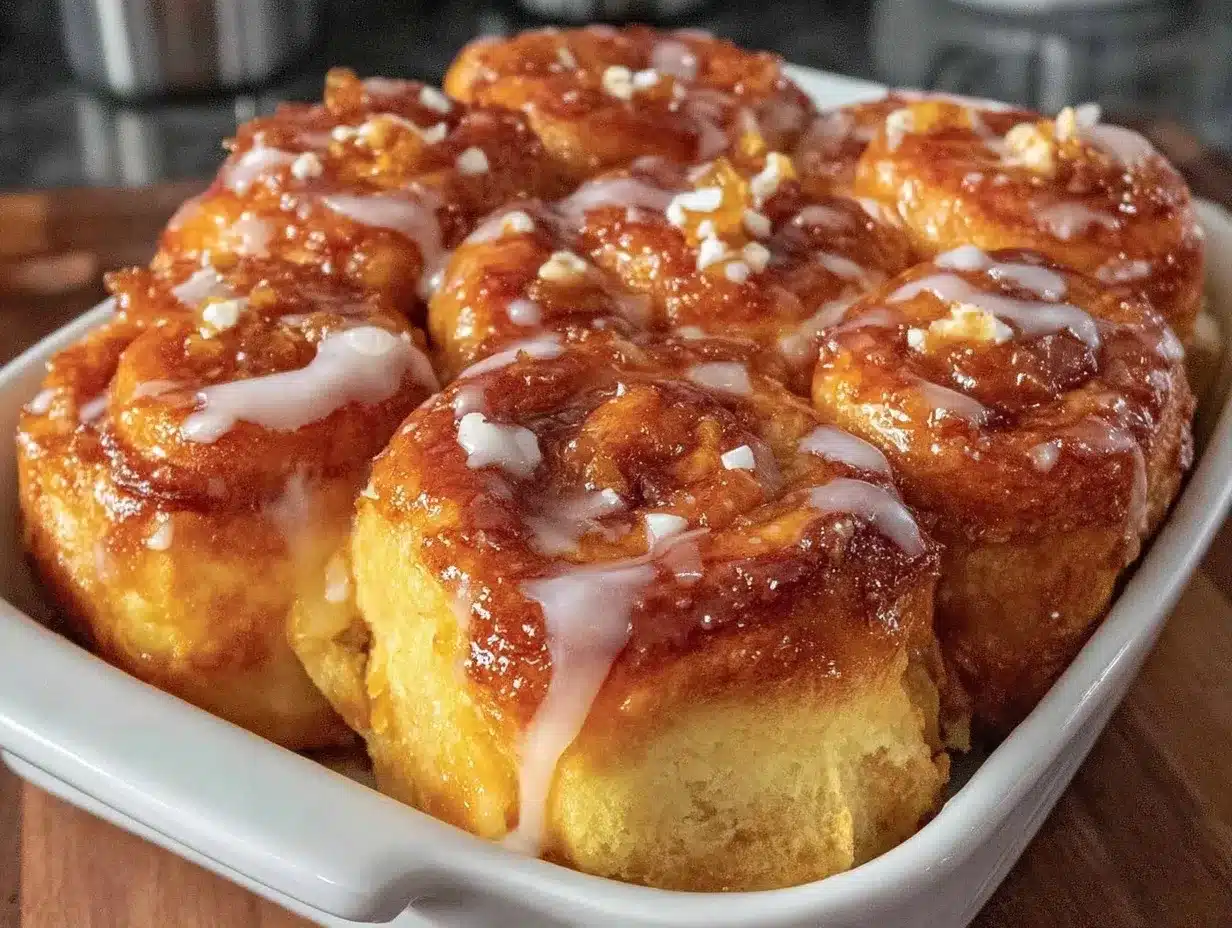
- Finish: Let the rolls cool for 10 minutes in the pan. Drizzle the glaze over the warm rolls. The heat will help the glaze melt slightly into the crevices. Serve warm.
Watch the rolls closely during baking. Every oven is different. If you see dark spots forming, pull them out early. Overbaking dries out the dough.
Cooking Tips & Techniques
I’ve made these rolls enough times to know where things can go wrong. The biggest mistake people make is over-kneading. You want the dough to be smooth, not tough. If you knead it for too long, the rolls will be dense. Stop when it’s elastic. Another common error is using hot milk. Always test the temperature on your wrist; it should feel like a warm bath, not a hot tub. If it burns your skin, it’s too hot for the yeast.
When rolling the dough, keep the edges tight. If there are air pockets, the rolls will fall apart. Use a sharp knife and saw gently rather than pressing down. This preserves the layers. Also, don’t skip the second rise! This is what makes the rolls light and fluffy. If you bake them immediately, they will be dense bricks.
For the glaze, don’t add all the orange juice at once. Powdered sugar varies in moisture content. Add it slowly until you get the right drip. If the glaze is too thin, it will run off the rolls. If it’s too thick, it will be crunchy. Aim for a glossy, smooth finish. I also recommend zesting the oranges before juicing them. It’s easier to manage the oils on the surface of the fruit before you cut it open.
Multitasking is key here. While the dough rises, prep your filling and glaze ingredients. This saves time later. If you are short on time, you can use a quick-rise yeast, but the flavor won’t be as deep. Patience yields the best results. Trust the process.
Variations & Adaptations
One of the best things about this recipe is how adaptable it is. You can tweak it to suit your tastes or dietary needs. Here are a few ideas:
- Lemon Rolls: Swap the orange zest and juice for lemon. It’s just as bright and tangy. Lemon pairs beautifully with the buttery dough.
- Cardamom Orange: Add 1 teaspoon of ground cardamom to the dough. This gives it a Scandinavian twist that is absolutely delicious.
- Gluten-Free: Use a high-quality 1:1 gluten-free flour blend. Add a teaspoon of xanthan gum if your blend doesn’t include it. The dough may be stickier, so handle it with wet hands.
- Vegan: Use plant-based milk and butter. The texture will be slightly less rich, but the flavor remains strong.
- Chocolate Orange: Sprinkle dark chocolate chips into the filling along with the brown sugar. It adds a nice contrast to the citrus.
I once tried adding poppy seeds to the filling, and it was a hit. It added a nice crunch. You can also add a layer of cream cheese frosting for a more decadent treat. If you want a savory option, skip the sugar in the filling and add chives and cheese. It’s an unexpected but tasty variation. Get creative! The base recipe is a canvas.
Serving & Storage Suggestions
These rolls are best served warm, straight out of the oven. The glaze should be slightly tacky but not runny. Pair them with a dirty strawberry soda for a fun, refreshing drink that complements the citrus. You can also serve them with a side of fresh berries to add more acidity and color to the plate.
For storage, keep the rolls in an airtight container at room temperature for up to 2 days. They will stay soft and moist. If you need to store them longer, freeze them. Wrap individual rolls in plastic wrap and place them in a freezer-safe bag. They will last for up to 3 months. To reheat, thaw them at room temperature and warm them in the microwave for 20-30 seconds. Or, bake them at 350°F for 10 minutes if you want them crispy on the edges.
Do not refrigerate the rolls unless necessary. The cold air dries out baked goods quickly. If you must refrigerate, bring them to room temperature before serving. The flavors develop over time, so day-old rolls are often even better than fresh ones. The glaze soaks in slightly, creating a delicious caramelized effect. Just don’t leave them out for more than 2 days; they will start to stale.
Nutritional Information & Benefits
While these are definitely a treat, they offer some nutritional benefits. The orange zest is rich in Vitamin C and antioxidants. The whole milk provides calcium and protein. If you use whole wheat flour, you add fiber. Each roll contains approximately 250-300 calories, depending on the size and glaze amount. They are not low-carb, so keep that in mind if you are watching your sugar intake.
The bright citrus flavor helps cut through the richness of the dough, making it feel lighter. This is a great balance for breakfast or brunch. They are not a health food, but they are a wholesome indulgence. I like to think of them as a mood booster. The scent of oranges is known to reduce stress and improve mood. So, even if you are eating a little extra sugar, you are getting a mental health benefit. It’s a win-win.
For those with allergies, be mindful of gluten and dairy. The substitutions mentioned earlier can help. Always check labels on packaged ingredients like yeast and powdered sugar. I try to keep my kitchen stocked with allergen-friendly options, but this recipe is primarily for those without restrictions. Enjoy them in moderation and share the joy!
Conclusion
These Orange Rolls are more than just breakfast. They are a celebration of simple ingredients and bold flavors. The combination of rich dough and bright citrus is a match made in heaven. I hope you try this recipe and find it to be a new favorite. It’s easy to make, incredibly rewarding, and sure to impress your loved ones. Don’t be afraid to experiment with the variations. Add your own twist and make it your own.
I would love to hear how they turn out for you. Did you add cardamom? Did you use lemon instead? Share your stories in the comments below. And if you make them, tag me on social media! I love seeing your creations. Remember, cooking is about joy and connection. These rolls are a perfect vehicle for that. So, preheat your oven, zest some oranges, and let the magic begin. You won’t regret it.
Frequently Asked Questions
Can I make the dough ahead of time?
Yes! You can let the dough rise in the refrigerator overnight. This develops more flavor. Just take it out in the morning and let it come to room temperature before shaping and baking. It may take a little longer to rise, so be patient.
Why did my rolls turn out dense?
This usually happens if the dough was over-kneaded or if the yeast was killed by hot liquid. Make sure your milk is lukewarm, not hot. Also, don’t skip the second rise. It’s crucial for a light texture.
Can I use frozen orange juice?
It’s not recommended. Fresh orange juice has a much brighter, more vibrant flavor. Frozen juice often tastes flat and cooked. If you must use it, thaw it completely and add a bit of fresh zest to boost the flavor.
How do I store the glaze?
The glaze is best made fresh. If you have leftovers, store it in an airtight container in the fridge for up to 3 days. Reheat it gently in the microwave and whisk until smooth before drizzling.
Can I freeze the baked rolls?
Absolutely. Let them cool completely, then wrap them tightly in plastic wrap and foil. Freeze for up to 3 months. Thaw at room temperature and reheat in the oven for the best texture.
Pin This Recipe!
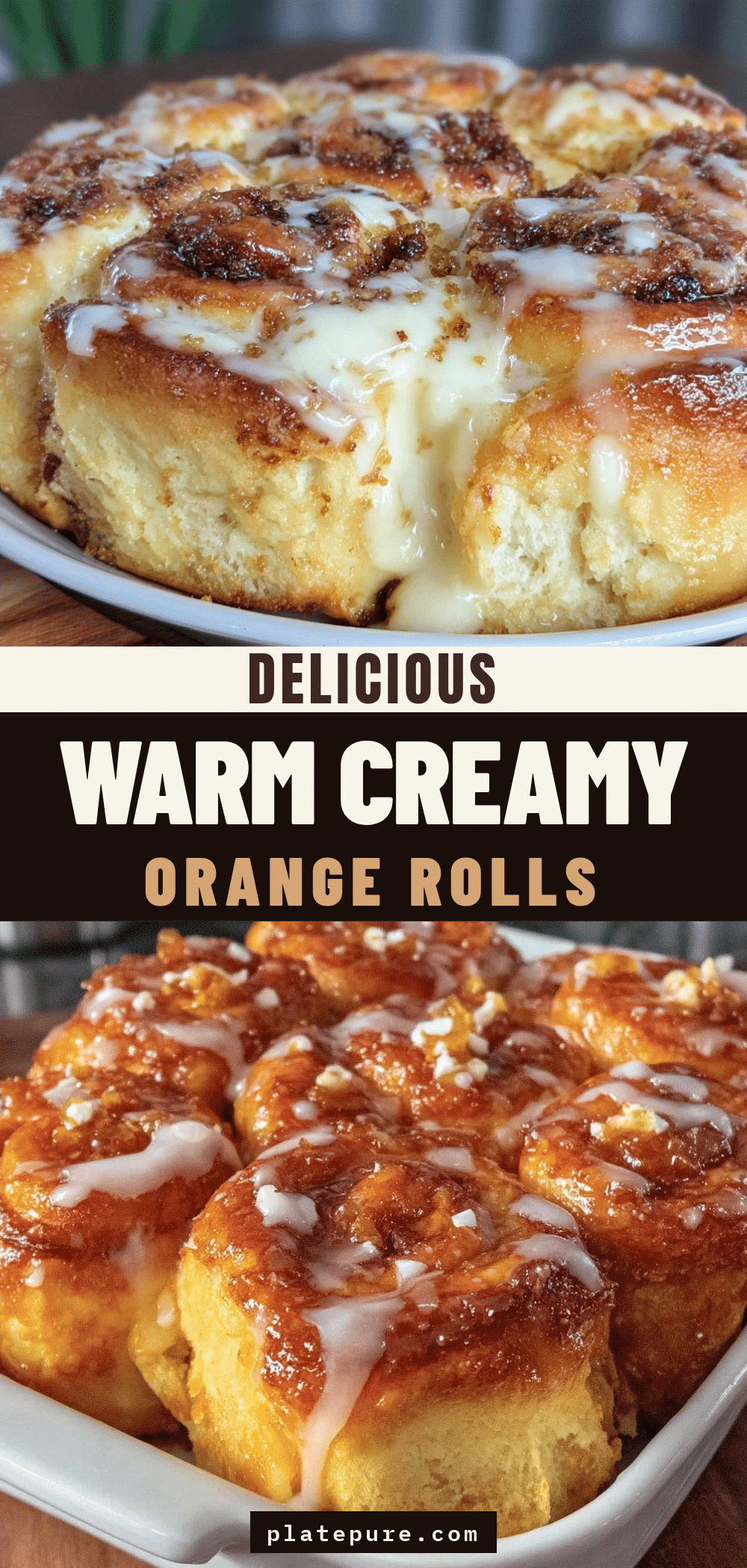

Rich Meets Bright: Orange Rolls Recipe
- Total Time: 2 hours
- Yield: 12 servings 1x
Description
Soft, fragrant orange rolls that balance rich dough with bright citrus flavor, featuring a sweet-tart orange glaze. Perfect for weekend brunches or holiday gatherings.
Ingredients
- 3 to 3.5 cups (360g to 420g) All-Purpose Flour
- 1/3 cup (70g) Granulated Sugar
- 2 1/4 teaspoons (one packet) Instant Yeast
- 1 cup (240ml) Whole Milk, warm
- 1/4 cup (60g) Unsalted Butter, melted
- 1 large Egg, room temperature
- Zest of 2 large Oranges
- 1/4 cup (60ml) Fresh Orange Juice
- 1 teaspoon Salt
- 1/2 cup (100g) Brown Sugar (for filling)
- 2 tablespoons Melted Butter (for filling)
- 1 teaspoon Orange Zest (for filling)
- 1 cup (120g) Powdered Sugar (for glaze)
- 2–3 tablespoons Fresh Orange Juice (for glaze)
- 1/2 teaspoon Vanilla Extract (for glaze)
Instructions
- If using active dry yeast, mix warm milk with 1 tablespoon sugar and yeast; let sit for 5-10 minutes until foamy. If using instant yeast, skip this step.
- In a large bowl, combine flour, remaining sugar, salt, and instant yeast. Add melted butter, egg, orange zest, and orange juice. Mix until a shaggy dough forms.
- Knead the dough on a lightly floured surface for 5-7 minutes until smooth and elastic. Place in a greased bowl, cover, and let rise in a warm place for 1 hour or until doubled.
- While dough rises, mix brown sugar, melted butter, and orange zest for the filling.
- Punch down the risen dough and roll it out into a 12×16 inch rectangle. Spread filling evenly, leaving a border. Roll tightly into a log and cut into 12 equal pieces.
- Place pieces in a greased 9×13 inch baking dish. Cover and let rise for another 30-45 minutes until puffy. Preheat oven to 350°F (175°C) during the last 15 minutes.
- Bake for 20-25 minutes until golden brown and internal temperature reaches 190°F (88°C).
- While baking, whisk powdered sugar, orange juice, and vanilla to make the glaze.
- Let rolls cool for 10 minutes in the pan, then drizzle with glaze. Serve warm.
Notes
Ensure milk is lukewarm, not hot, to avoid killing the yeast. Do not skip the second rise for light, fluffy rolls. Use fresh orange juice and zest for best flavor. For gluten-free, use a 1:1 gluten-free flour blend. For vegan, substitute dairy with plant-based alternatives.
- Prep Time: 30 minutes
- Cook Time: 25 minutes
- Category: Breakfast
- Cuisine: American
Nutrition
- Serving Size: 1 roll
- Calories: 275
- Sugar: 22
- Sodium: 250
- Fat: 8
- Saturated Fat: 4
- Carbohydrates: 45
- Fiber: 1
- Protein: 5
Keywords: orange rolls, breakfast recipe, brunch ideas, citrus bread, homemade rolls, orange glaze, yeast dough