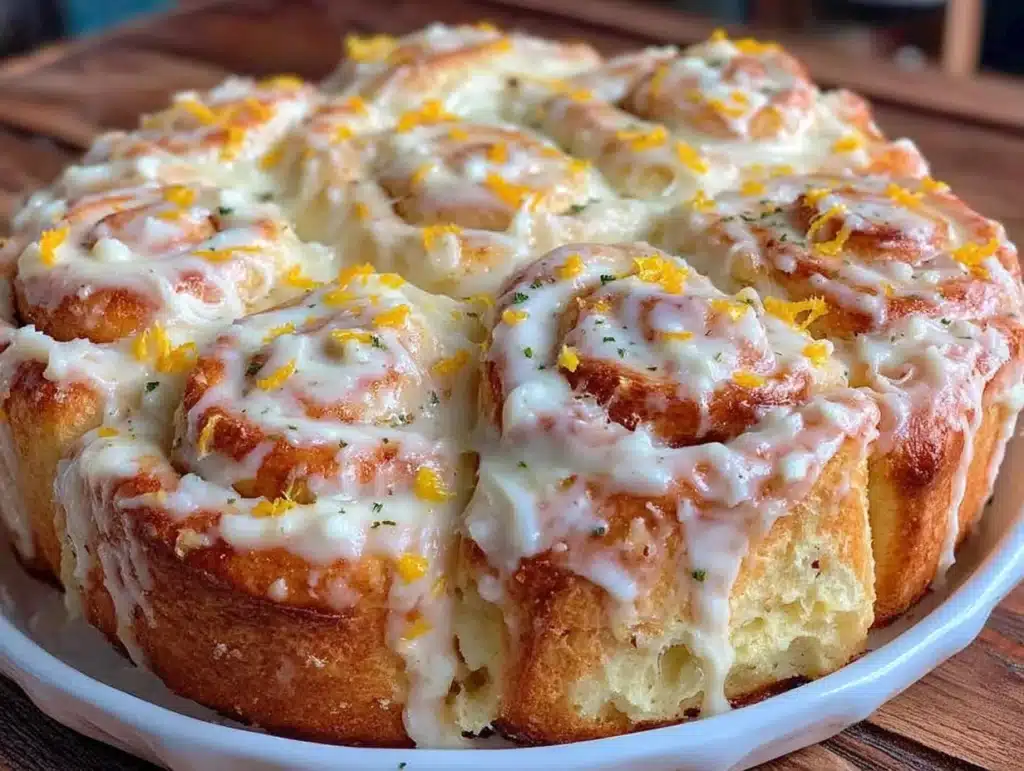
Let’s be honest for a second. There is nothing—and I mean nothing—quite like the smell of fresh bread baking on a lazy Sunday morning. It’s that specific, warm, yeasty aroma that seeps into every corner of the house and instantly tells your brain it’s time to slow down. I remember the first time I attempted homemade orange rolls for brunch, I was trying to impress a date who had mentioned loving “fancy” breakfasts. I ended up burning the first batch because I got distracted by a phone call, but the second batch? Pure magic. The sticky, citrus-glazed perfection made him stay for three cups of coffee and promised to come back.
Since then, I’ve made these homemade orange rolls for brunch dozens of times. They’ve become my secret weapon for weekend gatherings, holiday mornings, and even just treating myself when I don’t have to rush to work. You know how it is; store-bought versions are convenient, sure, but they lack that soul-soothing texture and the bright, zesty kick that only fresh zest and real butter can provide. These rolls are soft, pillowy, and soaked in a glaze that makes you want to lick the plate clean.
I’ve tested this recipe over a dozen times, tweaking the dough hydration and the glaze ratio until it felt just right. As someone who spends way too much time in the kitchen, I’ve learned that the key isn’t fancy equipment, but patience. Letting the dough rise properly and brushing that warm glaze over hot rolls changes everything. If you’re looking for a recipe that brings everyone to the table and keeps them there, you’re in the right place. These homemade orange rolls for brunch are about comfort, citrus, and that little bit of extra effort that says “I care.”
Why You’ll Love This Recipe
There’s a reason this recipe has become a staple in my kitchen, and it’s not just because they taste good. It’s because they tick all the boxes for what makes a great brunch dish. After years of baking, I’ve found that the best recipes are the ones that deliver maximum flavor with minimal stress, and these orange rolls do exactly that. They are reliable, crowd-pleasing, and surprisingly approachable even if you’ve never kneaded dough before.
- Quick & Easy: While they require some rising time, the active prep is simple. You can have these ready for a leisurely brunch without spending your entire morning in the kitchen.
- Simple Ingredients: You likely have most of these in your pantry already. Flour, yeast, sugar, butter, and fresh oranges. No obscure ingredients or fancy grocery runs needed.
- Perfect for Brunch: Whether it’s a casual weekend morning or a special occasion like Mother’s Day, these rolls fit the bill perfectly. They look impressive but are humble at heart.
- Crowd-Pleaser: Kids love the sweetness, and adults appreciate the balance of citrus and butter. They disappear fast, so you might want to double the batch.
- Unbelievably Delicious: The combination of the soft, sweet dough and the tangy, buttery orange glaze is next-level comfort food. It’s the kind of treat that makes you close your eyes after the first bite.
What makes this version different from the rest is the attention to detail in the dough. I use a technique that ensures the rolls stay incredibly moist for days, and the glaze is applied while both the rolls and the glaze are warm, allowing it to soak in rather than just sit on top. It’s not just a recipe; it’s an experience. It’s comfort food reimagined—healthier in spirit if you skip some of the extra sugar, but with the same soul-soothing satisfaction. Perfect for impressing guests without stress, or turning a simple meal into something memorable.
What Ingredients You Will Need
This recipe uses simple, wholesome ingredients to deliver bold flavor and satisfying texture without the fuss. The beauty of homemade orange rolls for brunch lies in the quality of the few components you use. Since there aren’t many ingredients, each one plays a critical role. I recommend using high-quality butter and fresh oranges, as the flavor of the zest will shine through in the final product. You don’t need anything exotic, just good basics.
For the Dough
- All-purpose flour: I recommend King Arthur Flour for its consistent protein content, which helps create that perfect chewy-yet-soft texture. You’ll need about 4 cups (500g).
- Active dry yeast: One packet (2 ¼ tsp or 7g). Make sure it’s fresh; old yeast won’t make the dough rise properly.
- Warm milk: About 1 cup (240ml). It should be lukewarm, not hot, or you’ll kill the yeast. Whole milk adds richness.
- Unsalted butter: ½ cup (115g), melted and slightly cooled. This adds flavor and tenderness to the crumb.
- Granulated sugar: ¼ cup (50g). This feeds the yeast and adds sweetness.
- Eggs: 2 large eggs, room temperature. This helps bind the dough and adds structure.
- Salt: 1 tsp. Essential for balancing the sweetness.
- Orange zest: From 2 large oranges. Use organic oranges if possible, as you’re eating the peel.
For the Filling and Glaze
- Brown sugar: ½ cup (100g). Packed, for that deep molasses flavor.
- Butter: ¼ cup (55g), softened. Mixed with the brown sugar to create a sticky base.
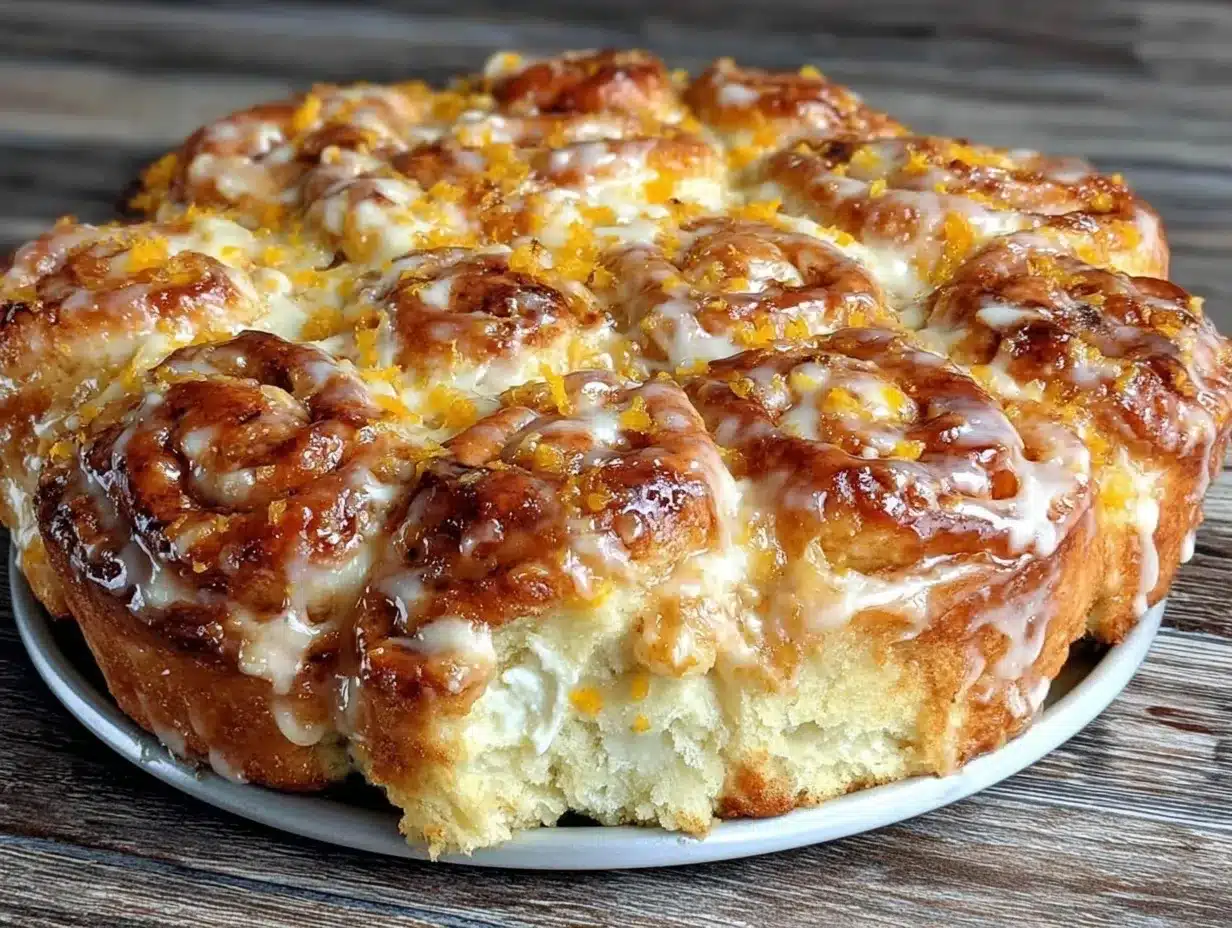
- Orange juice: ¼ cup (60ml), fresh squeezed. The key to the glaze’s bright flavor.
- Powdered sugar: 1 cup (120g). For thickening the glaze.
- Milk: 1-2 tbsp. To adjust glaze consistency.
If you’re looking to substitute, you can use bread flour for a chewier roll, but all-purpose is perfect for this tender style. For the glaze, if you don’t have powdered sugar, you can try a cream cheese frosting variation, but the classic glaze is what makes these homemade orange rolls for brunch truly special.
Equipment Needed
You don’t need a fancy stand mixer to make these homemade orange rolls for brunch, but having the right tools makes the process much smoother. A large mixing bowl is essential for combining the dough. If you do use a mixer, a dough hook attachment is helpful, but I often knead by hand to feel the texture of the dough.
A 9×13 inch baking dish is standard for this recipe, allowing the rolls to rise close together for soft sides. A pastry brush is crucial for applying the butter and glaze evenly. I also recommend a microplane zester for getting that fine orange zest without the bitter white pith. A kitchen thermometer is useful for checking the milk temperature, aiming for around 110°F (43°C). If you don’t have one, just test it with your finger; it should feel warm, like a baby’s bathwater. A wire cooling rack is also important so the rolls don’t get soggy from steam.
Preparation Method
Making homemade orange rolls for brunch is a process, but it’s a rewarding one. Let’s break it down into manageable steps so you can tackle it with confidence.
- Activate the Yeast: In a small bowl, combine the warm milk, sugar, and yeast. Stir gently and let it sit for about 5-10 minutes until it becomes foamy. This tells you the yeast is alive and ready to work. If it doesn’t foam, start over with fresh yeast.
- Mix the Dough: In a large bowl, combine the flour and salt. Add the melted butter, eggs, and orange zest. Pour in the yeast mixture. Mix until a shaggy dough forms. If using a mixer, switch to the dough hook and knead on low for 5 minutes. If kneading by hand, turn the dough onto a floured surface and knead for about 8-10 minutes until smooth and elastic. The dough should pass the windowpane test—you can stretch a small piece thin enough to see light through it without tearing.
- First Rise: Lightly grease a clean bowl with oil or butter. Place the dough inside, turning once to coat. Cover with plastic wrap or a damp towel. Let it rise in a warm, draft-free place for about 1-1.5 hours, or until doubled in size. This is a great time to preheat your oven and prep your glaze ingredients.
- Prepare the Pan: Grease your 9×13 inch baking dish generously with butter. In a small bowl, mix the brown sugar and softened butter until it resembles wet sand. Spread this mixture evenly into the bottom of the baking dish.
- Shape the Rolls: Punch down the risen dough to release air. Roll it out on a floured surface into a large rectangle, about 12×16 inches. Brush the surface with melted butter. Sprinkle evenly with a little extra sugar if you like them sweeter. Starting from the long edge, roll the dough up tightly into a log. Use dental floss or a sharp knife to cut the log into 12 equal rolls.
- Second Rise: Place the rolls cut-side up into the prepared baking dish. They should be snug but not touching too much. Cover loosely and let them rise again for 30-45 minutes until puffy. Preheat your oven to 350°F (175°C) during the last 15 minutes of rising.
- Bake: Bake the rolls for 25-30 minutes until golden brown. If they brown too quickly, cover with foil. They are done when the internal temperature reaches 190°F (88°C).
- Make the Glaze: While the rolls bake, whisk together the orange juice, powdered sugar, and enough milk to reach a drizzling consistency. Stir in a bit more zest if you want extra pop.
- Glaze and Serve: As soon as the rolls come out of the oven, brush the warm glaze over them. The warmth helps the glaze soak in. Let them cool in the pan for 10 minutes before serving. This allows the caramelized sugar at the bottom to set slightly, making them easier to remove.
Cooking Tips & Techniques
I’ve made my fair share of baking mistakes, and I’m here to help you avoid them. One common issue with homemade orange rolls for brunch is dry dough. This usually happens if you add too much flour during kneading. Remember, doughs can be sticky, especially in humid weather. Resist the urge to add extra flour; instead, use wet hands to handle the dough. It will come together.
Another tip is about the yeast. If your kitchen is cold, your first rise might take longer. That’s okay! Don’t rush it. The dough needs time to develop flavor. If you’re in a hurry, you can place the covered bowl in a slightly warm oven with the light on, but avoid using the oven heat setting. For the glaze, don’t skip the step of applying it while the rolls are hot. This is the secret to those gooey, sticky bottoms that everyone loves. If you wait until they are completely cool, the glaze will just sit on top and harden into a shell.
Also, pay attention to your oven temperature. Every oven is different. If your rolls are browning too fast on top but still doughy inside, tent them with foil. If they are pale, you might need a few more minutes. Use a thermometer to check the internal temperature for the most accurate result. It’s a small step that guarantees success.
Variations & Adaptations
While the classic orange roll is a staple, there are many ways to adapt these homemade orange rolls for brunch to suit your tastes or dietary needs. You can swap the orange zest for lemon zest for a brighter, tangier flavor. Or, try adding a swirl of poppy seeds for a nice crunch and visual appeal.
For a richer treat, add a layer of cream cheese filling before rolling up the dough. Just spread softened cream cheese over the buttered dough before adding the sugar and rolling. If you want a chocolate twist, sprinkle mini chocolate chips over the dough before rolling. For a gluten-free option, you can use a 1:1 gluten-free flour blend, though the texture might be slightly denser. I’ve also tried adding a dash of cardamom to the dough for a Scandinavian-inspired twist, which pairs beautifully with the citrus.
If you’re looking to reduce sugar, you can cut the sugar in the dough by half, but you might need to add a bit more liquid to compensate. The glaze can also be adjusted; use less powdered sugar for a thinner, more citrus-forward drizzle. These adaptations make the recipe versatile enough for any occasion.
Serving & Storage Suggestions
These homemade orange rolls for brunch are best served warm, right out of the pan. They pair wonderfully with a strong cup of coffee or a glass of fresh orange juice. For a complete brunch spread, consider adding crispy bacon, scrambled eggs, or a fresh fruit salad to balance the sweetness.
If you have leftovers (which is rare), store them in an airtight container at room temperature for up to 2 days. For longer storage, freeze the baked rolls in a freezer-safe bag for up to 3 months. To reheat, thaw them overnight in the fridge and warm them in the microwave for 30 seconds or in the oven at 300°F for 10 minutes. You can also freeze the unbaked rolls after the second rise, then bake them straight from frozen, adding a few minutes to the bake time. The flavors actually meld and improve over the first day, making them great for make-ahead brunches.
Nutritional Information & Benefits
While these are definitely a treat, they do offer some nutritional benefits. Oranges are a great source of Vitamin C, which supports immune health. The butter and flour provide energy, making them a good fuel for a morning of activities. Each roll contains approximately 250-300 calories, depending on the size and glaze amount. They are not gluten-free or dairy-free by default, but adaptations are possible. Enjoy them as part of a balanced diet, perhaps paired with protein-rich sides to keep you full longer. They are a joyful indulgence that fits into a healthy lifestyle when enjoyed in moderation.
Conclusion
Making homemade orange rolls for brunch is more than just baking; it’s about creating memories. The process is meditative, and the result is pure happiness. I hope this recipe brings joy to your kitchen and to your table. Don’t be afraid to make it your own—add your favorite spices or fruits. Once you try these, you’ll never go back to store-bought. I’d love to hear how they turn out for you. Leave a comment below with your tips or variations. Happy baking!
Frequently Asked Questions
Can I use instant yeast instead of active dry yeast?
Yes, you can substitute instant yeast for active dry yeast in a 1:1 ratio. You can mix it directly with the dry ingredients instead of activating it in milk first.
Why are my orange rolls dense and not fluffy?
This usually happens if the dough was over-kneaded or if the yeast was dead. Ensure your milk is warm, not hot, and that your yeast is fresh. Also, avoid adding too much flour during kneading.
Can I make the dough ahead of time?
Yes! After the first rise, you can punch down the dough, wrap it tightly, and refrigerate it overnight. Let it come to room temperature before shaping and doing the second rise.
How do I get the glaze to stick better?
Apply the glaze while the rolls are still hot from the oven. The heat helps the glaze penetrate the crust and creates that sticky, gooey texture.
Can I freeze the unbaked rolls?
Absolutely. After the second rise, place the pan in the freezer. Once frozen solid, transfer the rolls to a freezer bag. Bake from frozen, adding 5-10 minutes to the bake time.
Pin This Recipe!


Homemade Orange Rolls: Best Brunch Recipe
- Total Time: 2 hours 45 minutes
- Yield: 12 servings 1x
Description
Soft, pillowy homemade orange rolls with a sticky, citrus-glazed perfection. These reliable, crowd-pleasing brunch rolls are easy to make and perfect for weekend gatherings or special occasions.
Ingredients
- 4 cups (500g) all-purpose flour
- 1 packet (2 ¼ tsp or 7g) active dry yeast
- 1 cup (240ml) warm whole milk
- ¼ cup (50g) granulated sugar
- ½ cup (115g) unsalted butter, melted and slightly cooled
- 2 large eggs, room temperature
- 1 tsp salt
- Zest of 2 large oranges
- ½ cup (100g) brown sugar, packed
- ¼ cup (55g) butter, softened
- ¼ cup (60ml) fresh orange juice
- 1 cup (120g) powdered sugar
- 1–2 tbsp milk (for glaze consistency)
Instructions
- Activate the yeast: In a small bowl, combine warm milk, sugar, and yeast. Let sit for 5-10 minutes until foamy.
- Mix the dough: In a large bowl, combine flour and salt. Add melted butter, eggs, orange zest, and yeast mixture. Mix until a shaggy dough forms. Knead for 8-10 minutes until smooth and elastic.
- First rise: Place dough in a greased bowl, cover, and let rise in a warm place for 1-1.5 hours until doubled in size.
- Prepare the pan: Grease a 9×13 inch baking dish. Mix brown sugar and softened butter, then spread evenly into the bottom of the dish.
- Shape the rolls: Punch down dough and roll into a 12×16 inch rectangle. Brush with melted butter, roll tightly into a log, and cut into 12 equal rolls.
- Second rise: Place rolls in the prepared dish, cover loosely, and let rise for 30-45 minutes until puffy. Preheat oven to 350°F (175°C) during the last 15 minutes.
- Bake: Bake for 25-30 minutes until golden brown and internal temperature reaches 190°F (88°C).
- Make the glaze: Whisk together orange juice, powdered sugar, and enough milk to reach a drizzling consistency.
- Glaze and serve: Brush warm glaze over hot rolls immediately after baking. Let cool in pan for 10 minutes before serving.
Notes
Ensure milk is lukewarm (around 110°F) to avoid killing the yeast. Do not add extra flour during kneading if the dough is sticky; use wet hands instead. Apply glaze while rolls are hot for the best sticky texture. Rolls can be frozen unbaked after the second rise or baked and frozen for up to 3 months.
- Prep Time: 30 minutes
- Cook Time: 30 minutes
- Category: Breakfast
- Cuisine: American
Nutrition
- Serving Size: 1 roll
- Calories: 275
- Sugar: 22
- Sodium: 250
- Fat: 10
- Saturated Fat: 6
- Carbohydrates: 42
- Fiber: 1
- Protein: 6
Keywords: orange rolls, brunch recipe, homemade bread, citrus glaze, yeast rolls, weekend breakfast, comfort food