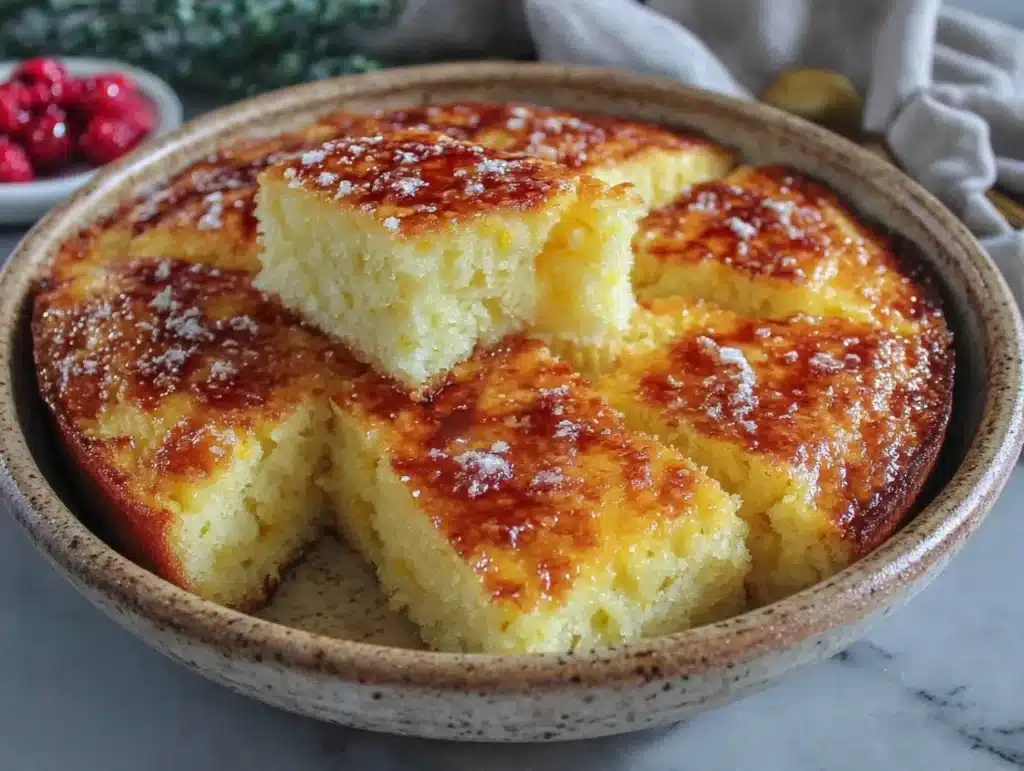
The smell of warm butter hitting hot flour is the kind of scent that stops traffic. I remember standing in my grandmother’s kitchen, watching her fold that heavy, golden batter into a greased pan. She didn’t measure with cups. She measured by feel, by the way the mixture resisted the spoon, and by the golden crust that formed just right. Honestly, it felt like magic, but it was really just patience and high-quality ingredients. Now, I make this Homemade French Butter Cake almost every weekend, and it still feels like a little victory.
There is something deeply comforting about a cake that doesn’t try too hard. It isn’t loaded with flashy frosting or complicated layers. It’s just butter, sugar, eggs, and flour, working together in perfect harmony. You know how some desserts feel heavy and cloying? This one is light, airy, and has that distinct, nutty aroma that only comes from properly creamed butter. It’s the kind of cake you eat with your morning coffee, or maybe with a dollop of fresh whipped cream on a lazy afternoon. It’s simple, but it is never boring.
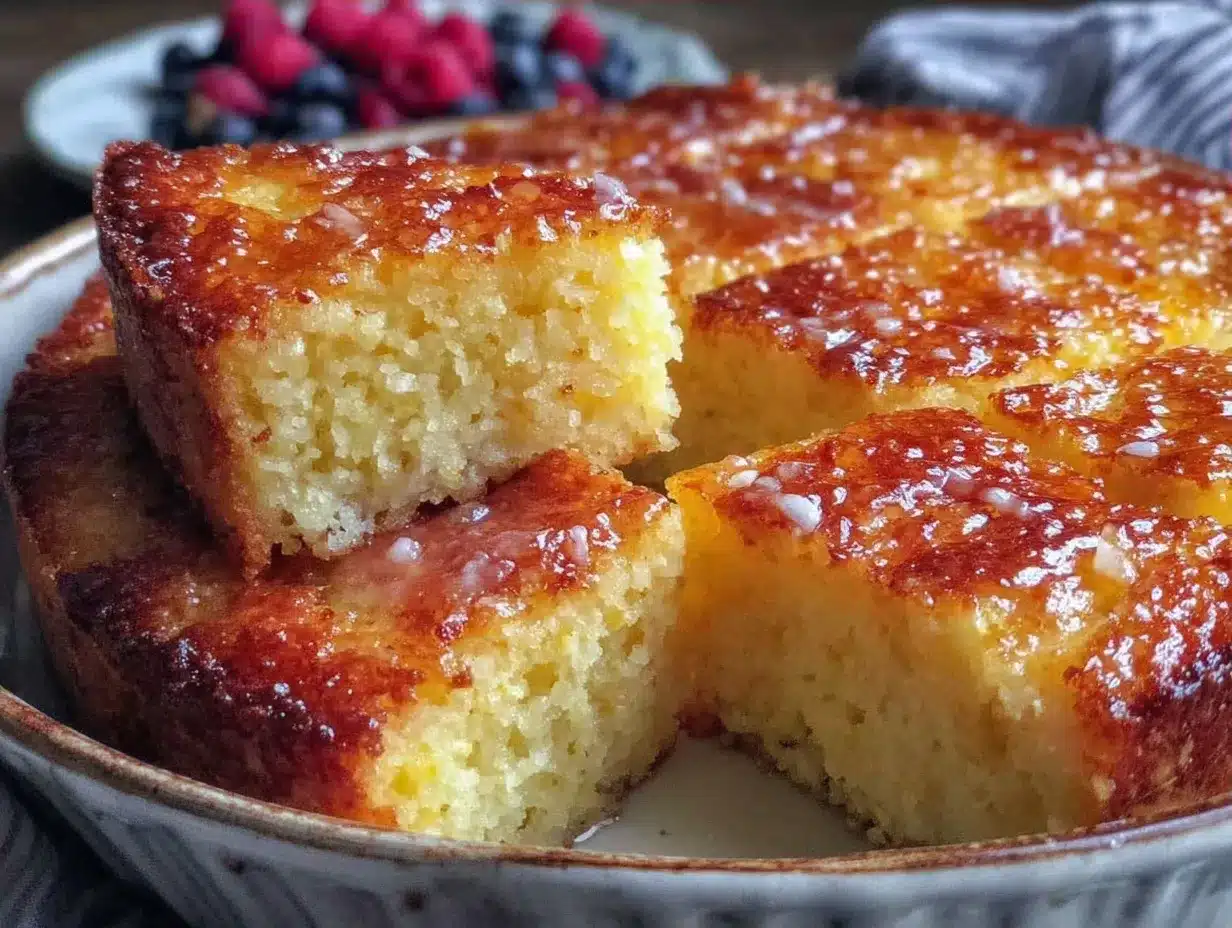
I’ve tested this recipe dozens of times, tweaking the oven temperature and the mixing time until I got it exactly right. The result is a crumb that is tender enough to melt in your mouth but sturdy enough to hold its shape. Whether you are a beginner baker or a seasoned pro, this Homemade French Butter Cake is approachable. It requires no special skills, just a good whisk and a little bit of love. Let’s face it, life is complicated enough; your dessert should be straightforward and delicious. This cake delivers that classic French patisserie taste right in your own kitchen.
Why You’ll Love This Recipe
There are a thousand cake recipes out there, but this Homemade French Butter Cake stands out because it gets the basics absolutely right. I’ve spent years perfecting this specific ratio, and it’s the kind of recipe that earns trust fast. It’s not just another vanilla sponge; it has depth. The flavor is rich but balanced, with a subtle toasted note that comes from the butter itself. Here is why this recipe is a staple in my kitchen and why I think it will become one in yours too.
- Quick & Easy: You don’t need to wait for sourdough to rise or temper chocolate. This cake comes together in about 15 minutes of prep time. It’s perfect for those sudden cravings or when you need a last-minute treat for unexpected guests.
- Simple Ingredients: You likely already have everything in your kitchen. Butter, sugar, eggs, flour, and a pinch of salt. No fancy grocery trips needed. It relies on pantry staples, which makes it so much less stressful to bake.
- Perfect for Brunch: This cake is the ultimate brunch companion. Slice it up and serve it with fresh berries and a cup of strong espresso. It pairs beautifully with both sweet and savory breakfast items, making it a versatile hero for weekend gatherings.
- Crowd-Pleaser: Kids love the sweet, buttery taste, and adults appreciate the refined, not-too-sweet profile. It always gets rave reviews from everyone, from toddlers to grandmothers. It’s a safe bet that nobody will turn their nose up at.
- Unbelievably Delicious: The texture is the star here. It’s moist but not dense, with a fine, even crumb. The first bite is pure comfort, but the finish is clean and bright. It’s the kind of cake that makes you close your eyes and just savor the moment.
What makes this recipe different from the rest is the technique. We use a method that aerates the butter and sugar thoroughly, creating a structure that is incredibly light. It’s not just about mixing; it’s about understanding how air pockets help the cake rise. This isn’t just another version of a butter cake; it is the best version I have found. It connects emotionally because it tastes like home, but elevated. It’s comfort food reimagined for the modern baker—faster, easier, but with the same soul-soothing satisfaction. It’s perfect for impressing guests without the stress of a multi-tiered masterpiece.
What Ingredients You Will Need
This recipe uses simple, wholesome ingredients to deliver bold flavor and satisfying texture without the fuss. The beauty of a French butter cake lies in its transparency; you can taste every single component. Because there are so few ingredients, quality matters more than ever. You don’t need obscure flours or exotic spices. You just need to choose the best versions of the basics. Here is what you will need to get started.
- Unsalted Butter: Use high-quality, European-style butter if you can find it. It has a higher fat content and a richer flavor. Bring it to room temperature, soft but not melted. (adds richness and helps with creaming)
- Granulated Sugar: Standard white sugar works perfectly. It helps create that crisp, caramelized edge when baked. (provides structure and sweetness)
- Eggs: Large eggs, brought to room temperature. Cold eggs can cause the butter mixture to curdle, so let them sit out for 30 minutes before you start. (provides structure and moisture)
- All-Purpose Flour: King Arthur or Bob’s Red Mill are my trusted brands for consistent protein levels. Sift this to remove lumps and aerate it. (provides the main structure)
- Baking Powder: Use a fresh brand to ensure the cake rises properly. Old baking powder is a common reason for dense cakes. (helps the cake rise)
- Salt: A generous pinch of fine sea salt. It might seem small, but it amplifies the buttery flavor significantly. (balances sweetness)
- Vanilla Extract: Use pure vanilla extract, not imitation. A dark, rich vanilla adds depth that complements the butter. (adds aromatic flavor)
- Milk or Cream: Whole milk or heavy cream adds tenderness. (adds moisture and softness)
If you want to get creative, you can swap in almond flour for a portion of the all-purpose flour to add a nutty aroma. For a dairy-free option, you can use a high-quality plant-based butter, though the texture might be slightly different. Look for firm, small-curd cottage cheese if you want to try a variation, but for this classic recipe, stick to the butter. In summer, you might add a touch of lemon zest to brighten it up. I recommend buying your butter from a local dairy if possible, as the difference in flavor is noticeable. Keep it simple and let the quality shine.
How Do I Ensure the Butter Is at the Right Temperature?
Getting the butter temperature right is crucial. It should be soft enough to leave an indent when you press it, but not so soft that it is oily. If it melts, your cake will be dense. If it is too cold, it won’t cream properly with the sugar. The best way to check is to press your finger into it; it should give easily without breaking the surface.
Can I Use Salted Butter Instead?
You can, but I recommend reducing the added salt in the recipe. Salted butters vary widely in salt content, so it is hard to control the final flavor. Using unsalted butter gives you full control over the seasoning, ensuring the cake isn’t too salty.
Equipment Needed
You don’t need a fancy kitchen to bake this Homemade French Butter Cake. In fact, simplicity is key. The main tool you need is a good quality loaf pan or a round cake pan. A 9-inch round pan or an 8×4-inch loaf pan works best. I prefer a metal pan over glass or ceramic because it conducts heat more evenly, leading to a better crust. If you don’t have a loaf pan, a standard round cake pan is a great alternative.
A stand mixer or a hand mixer is helpful for creaming the butter and sugar, but you can definitely do this by hand with a sturdy whisk and some elbow grease. It takes longer, but it is satisfying. You will also need a spatula for folding in the flour gently. A cooling rack is essential so the cake doesn’t get soggy from trapped steam. I always recommend having a kitchen scale for precision, especially if you want consistent results every time. However, if you are measuring by volume, make sure to spoon and level your flour for accuracy.
For maintenance, just wash your pans immediately after use to prevent stuck-on butter. For budget-friendly options, any basic metal pan from a hardware store will work fine. Avoid non-stick pans if you want a crispier crust, as the butter needs to stick slightly to create that golden edge. A simple parchment paper liner makes cleanup a breeze and ensures the cake releases easily.
Preparation Method
Let’s get baking. This process is straightforward, but attention to detail makes all the difference. Preheat your oven to 350°F (175°C). Grease your loaf pan or cake pan generously with butter and dust it with flour, tapping out the excess. This ensures the cake doesn’t stick.
- Cream the Butter and Sugar: In a large bowl, beat the softened butter and sugar together on medium-high speed. Do this for about 3-4 minutes until the mixture is pale yellow and fluffy. This step incorporates air, which is vital for a light texture. Scrape down the sides of the bowl with a spatula to ensure everything is mixed evenly. The mixture should look almost like whipped cream.
- Add the Eggs: Add the eggs one at a time, beating well after each addition. Wait until each egg is fully incorporated before adding the next one. This prevents the mixture from curdling. If it looks slightly curdled, don’t panic; it will come together when you add the dry ingredients. Add the vanilla extract now.
- Mix the Dry Ingredients: In a separate bowl, whisk together the flour, baking powder, and salt. Sifting is optional but recommended for a smoother batter. Make sure there are no lumps of baking powder left, as they can leave bitter spots.
- Combine Wet and Dry: Gradually add the dry ingredients to the butter mixture, alternating with the milk or cream. Start and end with the dry ingredients. Mix on low speed just until combined. Overmixing at this stage can develop gluten and make the cake tough. Stop as soon as you see no more streaks of flour.
- Prepare the Pan: Pour the batter into your prepared pan. Smooth the top with a spatula. Tap the pan gently on the counter a few times to release any large air bubbles.
- Bake: Place the cake in the preheated oven. Bake for 45-55 minutes. Do not open the oven door for the first 30 minutes, as this can cause the cake to collapse. The cake is done when a toothpick inserted into the center comes out clean or with just a few moist crumbs.
- Cool: Let the cake cool in the pan for 10 minutes. Then, turn it out onto a wire rack to cool completely. This prevents the bottom from becoming soggy. Wait until it is fully cool before slicing for the cleanest cuts.
Watch the cake closely during the last 10 minutes of baking. If the top is browning too quickly, cover it loosely with aluminum foil. The smell should be rich and buttery, with a hint of vanilla. If it smells burnt, lower the temperature next time. The texture should spring back lightly when touched.
Cooking Tips & Techniques
I’ve made plenty of mistakes along the way, and some of them ended up in the trash. Here are some professional tips to help you avoid common pitfalls and ensure your Homemade French Butter Cake turns out perfectly every time.
Room Temperature Ingredients: This cannot be stressed enough. Cold eggs and butter will not emulsify properly. If you forget to take them out, you can warm the eggs by placing them in a bowl of warm water for 5-10 minutes. For butter, cut it into small cubes to help it soften faster.
Don’t Overmix: Once you add the flour, mix just until combined. Overmixing develops gluten, leading to a tough, chewy cake instead of a tender crumb. It’s better to have a few small lumps than to overwork the batter.
Oven Thermometer: Ovens are often inaccurate. Invest in an inexpensive oven thermometer to ensure your oven is actually at 350°F. If your oven runs hot, your cake might bake too quickly on the outside while remaining raw inside.
Testing for Doneness: The toothpick test is good, but the cake should also pull away slightly from the sides of the pan. It should feel firm to the touch but still have a little give. If it feels hard, it might be overbaked.
Patience with Cooling: Slicing a warm cake can be messy and cause it to crumble. Let it cool completely on a wire rack. This allows the structure to set, ensuring neat slices.
Storage for Freshness: To keep the cake moist, store it in an airtight container. You can also wrap the whole cake in plastic wrap before placing it in the container. This helps retain moisture and prevents it from drying out.
What If My Cake Sinks in the Middle?
A sunken middle usually means the cake was underbaked or the oven was opened too early. Make sure to bake it until the toothpick comes out clean. Also, avoid opening the oven door during the first half of baking, as the sudden drop in temperature can cause the structure to collapse.
Why Is My Cake Dense?
Density often results from not creaming the butter and sugar enough, or from using old baking powder. Ensure you beat the butter mixture until it is pale and fluffy. Also, check the expiration date on your leavening agents.
Variations & Adaptations
While the classic version is divine, this Homemade French Butter Cake is a blank canvas for creativity. You can easily adapt it to suit your taste or dietary needs. Here are a few variations I love.
Lemon Zest Variation: Add the zest of one or two lemons to the butter mixture. The citrus brightness cuts through the richness of the butter and adds a refreshing kick. It’s perfect for spring and summer.
Blueberry Swirl: Toss a cup of fresh or frozen blueberries with a tablespoon of flour. Gently fold them into the batter, or swirl them on top before baking. The flour prevents them from sinking to the bottom.
Chocolate Chip Twist: Fold in a cup of semi-sweet chocolate chips for a sweeter, more indulgent treat. This is great for kids’ birthday parties or when you want a dessert that feels like a cookie.
Gluten-Free Option: Use a 1:1 gluten-free flour blend that includes xanthan gum. The texture might be slightly crumblier, but the flavor will still be excellent. Add an extra egg to help bind the batter.
Dairy-Free Version: Use a high-quality plant-based butter and almond milk. While it won’t have the exact same flavor profile, it will still be a delicious and moist cake. I tested this with vegan butter, and it worked surprisingly well.
Spiced Variation: Add a teaspoon of cinnamon or nutmeg to the dry ingredients for a warm, cozy flavor. This pairs well with apple or pear variations.
My Personal Favorite: I often add a tablespoon of orange zest and a splash of orange liqueur to the batter. It adds a sophisticated, adult flavor that is perfect for holiday gatherings. It’s bold, bright, and totally unique.
Serving & Storage Suggestions
This cake is best served at room temperature, where the buttery flavor is most pronounced. You can serve it plain, or with a dusting of powdered sugar for a touch of elegance. It pairs beautifully with a cup of black coffee, tea, or even a glass of cold milk. For a more indulgent treat, serve it with a dollop of whipped cream or a scoop of vanilla ice cream.
Storage: Store the cake in an airtight container at room temperature for up to 3 days. It can also be refrigerated for up to a week, though it may become slightly firmer. Let it come to room temperature before serving for the best texture.
Freezing: This cake freezes exceptionally well. Wrap it tightly in plastic wrap and then in aluminum foil. It can be frozen for up to 3 months. Thaw it overnight in the refrigerator or at room temperature.
Reheating: If you prefer warm cake, you can microwave a slice for 10-15 seconds. This softens the crumb and releases the buttery aroma. You can also toast slices in a toaster oven for a crispy exterior.
Flavor Development: Interestingly, this cake often tastes better the next day. The flavors meld together, and the moisture redistributes, making it even more tender. Don’t be afraid to make it a day in advance.
Nutritional Information & Benefits
While this is a treat, it is made with simple, recognizable ingredients. Each slice contains approximately 250 calories, with a good balance of carbohydrates and fats. The butter provides energy, while the eggs offer protein. It is naturally gluten-free if you use gluten-free flour, making it accessible for some dietary restrictions. However, it does contain dairy and eggs, so it is not suitable for those with allergies to these ingredients. I enjoy this cake as a mindful indulgence, savoring every bite rather than eating it mindlessly. It’s a reminder that balance is key in a healthy lifestyle. Enjoy it as part of a balanced diet, and appreciate the quality of the ingredients.
Conclusion
Making this Homemade French Butter Cake is a joy. It’s simple, reliable, and incredibly delicious. I hope you try this recipe and find it to be a new favorite in your kitchen. Feel free to experiment with the variations to make it your own. Whether you add lemon zest or chocolate chips, the base recipe is a solid foundation for creativity. I love this cake because it brings me back to my grandmother’s kitchen, but it also fits perfectly into my modern, busy life. It’s quick, easy, and always satisfies. Please share your results in the comments below, and let me know how you like to customize it. Happy baking!
FAQs
Can I use margarine instead of butter?
While you can, the flavor and texture will not be the same. Butter provides a rich, creamy taste and a better crumb structure. Margarine has a higher water content, which can make the cake denser and less flavorful. Stick to real butter for the best results.
How do I know when the cake is done baking?
Insert a toothpick into the center of the cake. If it comes out clean or with just a few moist crumbs, it is done. The cake should also spring back when lightly touched. Avoid opening the oven too early, as this can cause it to sink.
Can I double this recipe?
Yes, you can double the recipe, but you may need to use a larger pan or two smaller pans. Keep an eye on the baking time, as it may take slightly longer. Do not overcrowd your oven, as this can affect heat circulation.
Why is my cake dry?
Overbaking is the most common cause of a dry cake. Make sure to check the cake a few minutes before the suggested baking time ends. Also, ensure you are measuring your flour correctly by spooning it into the cup and leveling it off, rather than scooping directly.
Can I make this cake ahead of time?
Absolutely. This cake actually tastes better the next day as the flavors meld. You can bake it, let it cool, and store it in an airtight container at room temperature for up to three days. It can also be frozen for longer storage.
Pin This Recipe!
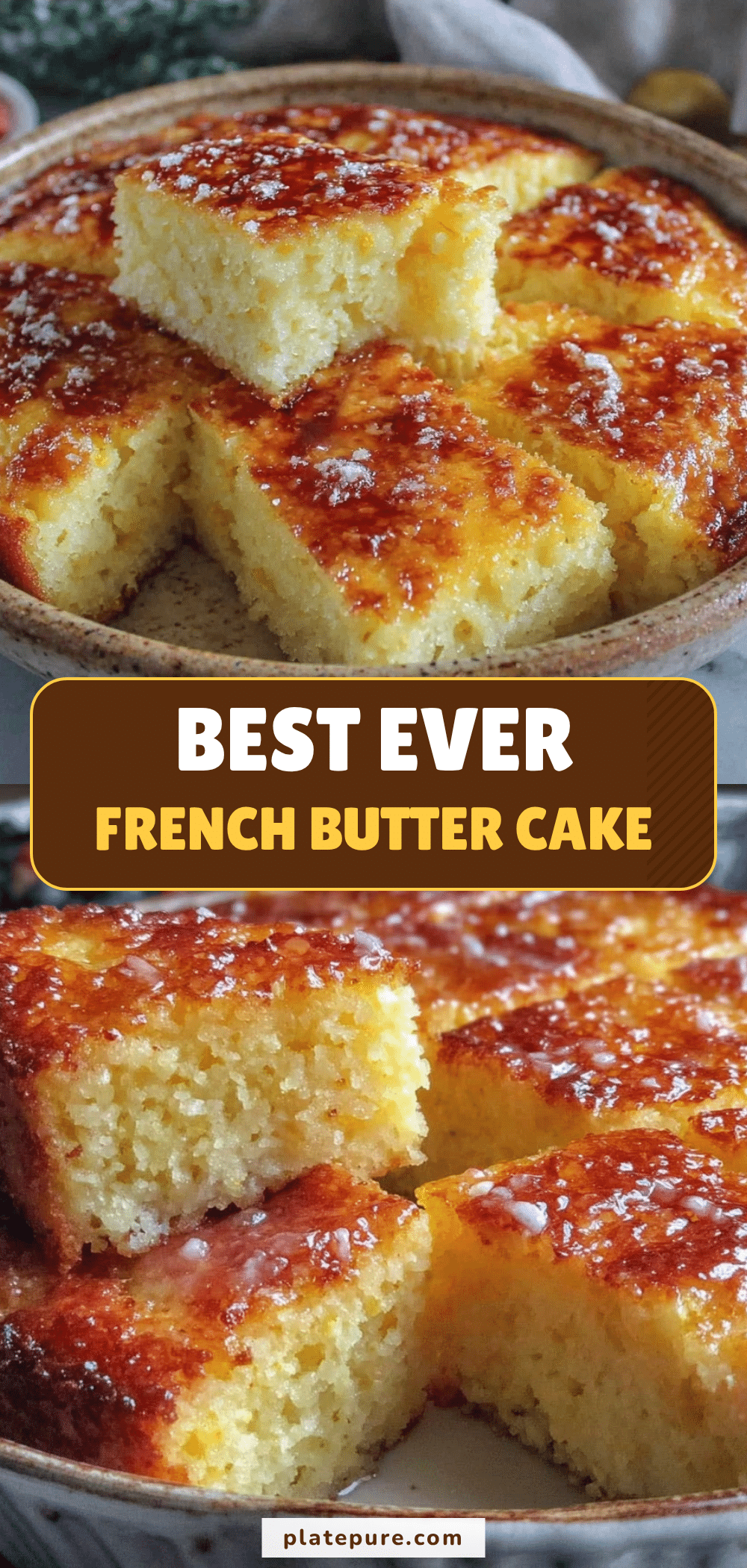
Homemade French Butter Cake
- Total Time: 65 minutes
- Yield: 8 servings 1x
Description
A simple, light, and airy butter cake with a tender crumb and rich, nutty aroma. This classic French-style dessert requires only pantry staples and minimal effort, making it perfect for brunch or afternoon coffee.
Ingredients
- 1 cup (2 sticks) unsalted butter, softened to room temperature
- 1 cup granulated sugar
- 4 large eggs, room temperature
- 2 cups all-purpose flour, sifted
- 1 teaspoon baking powder
- 1/2 teaspoon fine sea salt
- 1 teaspoon pure vanilla extract
- 1/2 cup whole milk or heavy cream
Instructions
- Preheat oven to 350°F (175°C). Grease a 9-inch round cake pan or 8×4-inch loaf pan generously with butter and dust with flour, tapping out excess.
- In a large bowl, beat the softened butter and sugar on medium-high speed for 3-4 minutes until pale yellow and fluffy. Scrape down the sides of the bowl.
- Add eggs one at a time, beating well after each addition until fully incorporated. Add vanilla extract.
- In a separate bowl, whisk together flour, baking powder, and salt.
- Gradually add dry ingredients to the butter mixture, alternating with milk or cream. Start and end with dry ingredients. Mix on low speed just until combined; do not overmix.
- Pour batter into prepared pan and smooth the top. Tap pan gently to release air bubbles.
- Bake for 45-55 minutes. Do not open the oven door for the first 30 minutes. Cake is done when a toothpick inserted into the center comes out clean.
- Let cake cool in pan for 10 minutes, then turn out onto a wire rack to cool completely before slicing.
Notes
Ensure all ingredients are at room temperature for best emulsification. Do not overmix the batter once flour is added to prevent a tough texture. If the top browns too quickly, cover loosely with aluminum foil during the last 10 minutes of baking. The cake tastes better the next day as flavors meld.
- Prep Time: 15 minutes
- Cook Time: 50 minutes
- Category: Dessert
- Cuisine: French
Nutrition
- Serving Size: 1 slice
- Calories: 250
- Sugar: 18
- Sodium: 120
- Fat: 14
- Saturated Fat: 9
- Carbohydrates: 28
- Fiber: 1
- Protein: 4
Keywords: French butter cake, homemade cake, easy baking, brunch recipe, vanilla cake, simple dessert, butter cake