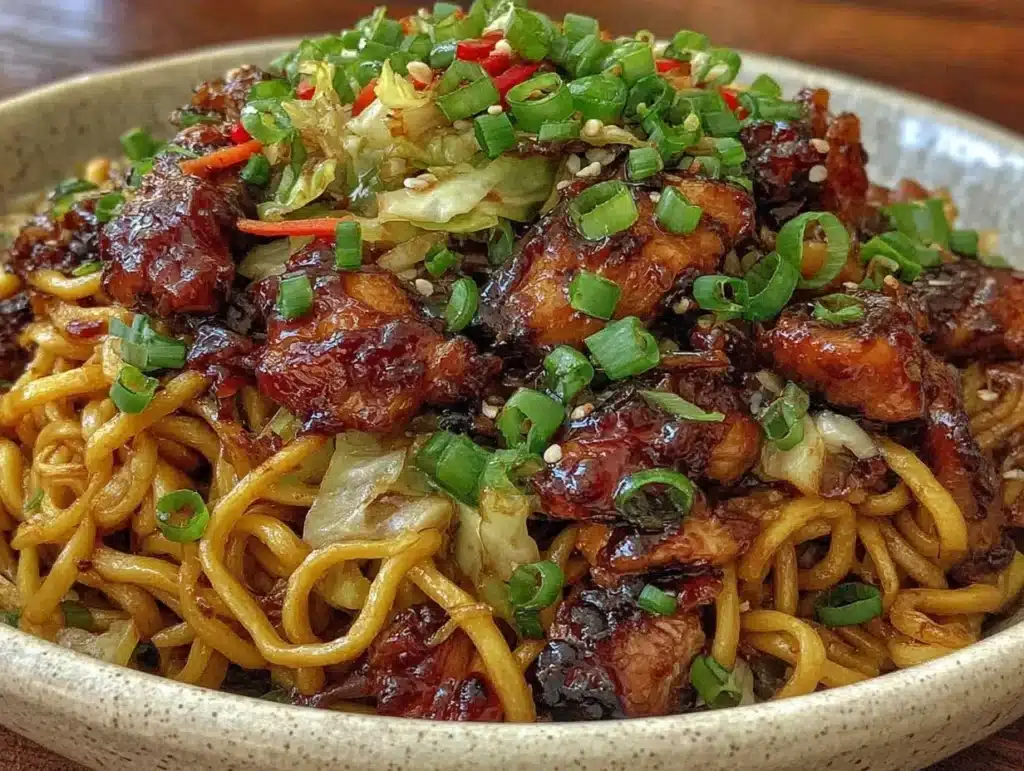
Most takeout chow mein arrives at your door soggy. The noodles are mushy, the chicken is bland, and the sauce tastes like it came from a packet. I hate that. It feels like a betrayal of what Chinese food should be. Honestly, I started craving that specific crunch—the kind that makes your teeth click—more than anything else last Tuesday. I was tired. The week had been long. I didn’t want a heavy, creamy pasta dish or a bland salad. I wanted brightness. I wanted punch. I wanted something that snapped my taste buds back to attention.
So, I went into the kitchen with a mission. I wanted to create a version of crispy chicken chow mein that wasn’t just another weeknight filler. I wanted it to have soul. I wanted it to have texture. I spent months tweaking the marinade and testing different noodle types. I tried egg noodles that broke too easily. I tried rice noodles that turned to glue. Finally, I found the sweet spot. It’s all about the high heat and the right cut of chicken.
This recipe is my answer to boring dinners. It’s fast, too. You can have this crispy chicken chow mein on the table in about 20 minutes if you prep your veggies first. It’s perfect for busy parents who need dinner done before the kids melt down. It’s great for singles who want something better than cereal. And it’s fantastic for anyone who thinks “healthy” means “boring.” This dish is vibrant. It’s bold. It uses fresh ginger and garlic to build a flavor base that actually tastes like it was made by a chef, not a robot.
I’ve made this over a dozen times now. Sometimes I add extra chili oil for heat. Sometimes I swap the chicken for shrimp. But the core technique stays the same. You crisp the chicken. You char the veggies. You toss it all in a glossy, tangy sauce. The result is a dish that feels indulgent but doesn’t leave you feeling heavy. It’s clean, it’s zesty, and it’s incredibly satisfying. If you’re looking for a quick stir-fry that doesn’t compromise on flavor, this is it. Let’s get cooking.
Why You’ll Love This Recipe
There is a specific kind of magic that happens when you combine high heat with a well-marinated piece of meat. I learned this the hard way after burning my first batch of chicken years ago. Now, I know exactly how to get that golden crust without drying out the inside. This crispy chicken chow mein recipe is built on that experience. It’s not just a list of ingredients; it’s a method that guarantees success every single time. I want you to feel confident in your kitchen, even if you’re a total beginner.
Here is why this dish stands out from the rest:
- Quick & Easy: This comes together in under 20 minutes. I’m talking about chopping, tossing, and frying. No slow cooking. No marinating overnight. Just fresh ingredients and fast heat. It’s perfect for those weeknights when you’re exhausted and just want to eat.
- Simple Ingredients: You likely have most of this in your pantry right now. Soy sauce, rice vinegar, sesame oil, ginger, and garlic. Maybe some cornstarch and chicken breast. You don’t need to make a special trip to the Asian grocery store for this one.
- Perfect for Weeknights: This is the ultimate “I have no energy” meal. It’s light enough that you won’t want to nap after eating it, but filling enough to keep you going until bedtime. It’s also great for meal prep if you want to have leftovers for lunch the next day.
- Crowd-Pleaser: Kids usually love the crispy texture. Adults love the savory flavor. It’s a win-win. I’ve served this at casual dinners and people always ask for the recipe. It’s a reliable crowd-pleaser that never fails.
- Unbelievably Delicious: The combination of the crispy chicken and the chewy noodles is next-level comfort food. But it’s not heavy. The acidity from the vinegar cuts through the richness. It’s balanced. It’s bright. It’s addictive.
What makes this different? It’s the texture. Most home cooks boil their noodles and then dump them in a pan. That’s a mistake. You want those noodles to absorb the sauce while they still have a little bite. And the chicken? We’re dusting it in cornstarch before frying. That creates a micro-layer of crispiness that stays crunchy even when it hits the sauce. It’s a small step that makes a huge difference. This isn’t just another stir-fry. It’s your best version of takeout.
I remember the first time I made this for my partner. They took one bite and closed their eyes. They said it tasted like their favorite restaurant. That moment is why I cook. It’s that connection. It’s that feeling of warmth and satisfaction. This recipe brings that to your table. It’s comfort food reimagined—faster, brighter, and with more crunch. It’s perfect for impressing guests without spending hours in the kitchen. Or for turning a simple Tuesday into something memorable.
What Ingredients You Will Need
This recipe uses simple, wholesome ingredients to deliver bold flavor and satisfying texture without the fuss. The magic here is in the balance of salty, sweet, sour, and umami. You don’t need expensive cuts of meat or exotic spices. You just need fresh produce and a few pantry staples. I’ve listed what you need below, along with some tips on how to choose the best items for your dish.
- Chicken Breasts: Use 2 large boneless, skinless chicken breasts. I recommend looking for organic or pasture-raised if you can find them, as they tend to have better flavor. Cut them into thin strips or small cubes. Uniform pieces ensure even cooking. If you’re short on time, you can buy pre-cut chicken strips, but fresh is always better for texture.
- Egg Noodles: You need about 8 ounces of dried egg noodles. Look for fresh egg noodles if your grocery store has them—they cook faster and have a richer taste. If using dried, break them in half so they’re easier to eat. Do not use rice noodles for this specific texture; you want that chewy bite that holds up to the sauce.
- Vegetables: I like a mix of colors and crunch. Use 1 cup of shredded carrots, 1 cup of sliced bell peppers (red or green), and 1 cup of shredded cabbage. The cabbage adds a nice crunch that holds up well. You can also add broccoli florets or snap peas if you like. Fresh is key here. Avoid pre-shredded bags if they look dry or wilted.
- Garlic and Ginger: You’ll need 4 cloves of fresh garlic and a 1-inch piece of fresh ginger. Minced garlic and grated ginger are non-negotiable. Powdered versions just don’t have the same punch. I keep fresh ginger in my freezer to grate easily. It makes a huge difference in the aroma of the dish.
- Soy Sauce: Use 3 tablespoons of low-sodium soy sauce. I prefer brands like Kikkoman or Lee Kum Kee. They have a clean, balanced flavor. If you’re watching your salt intake, low-sodium is a good choice because the sauce will still be flavorful enough.
- Rice Vinegar: Add 1 tablespoon of unseasoned rice vinegar. This provides the necessary acidity to cut through the oil and chicken fat. Don’t skip this. It’s what makes the dish “bright.” If you don’t have rice vinegar, you can use apple cider vinegar, but rice vinegar is more authentic.
- Sesame Oil: Use 1 teaspoon of toasted sesame oil. This is added at the end for aroma. Make sure it says “toasted” on the bottle. Regular sesame oil is too mild. A little goes a long way.
- Cornstarch: You’ll need 2 tablespoons of cornstarch. This is for dusting the chicken to help it crisp up. It also thickens the sauce later. Use potato starch if you prefer, but cornstarch is standard and works perfectly.
- Vegetable Oil: You’ll need about 2 tablespoons of neutral oil (like canola or avocado) for frying the chicken. Avocado oil has a higher smoke point, which is helpful if you’re using high heat.
- Green Onions: Slice 2 green onions for garnish. They add a fresh, oniony bite and a pop of color. Use both the white and green parts.
If you want to get fancy, you can add a tablespoon of hoisin sauce or oyster sauce to the mixture. But honestly, the basic soy-vinegar-ginger combo is enough. Keep it simple. Let the ingredients shine. I’ve tested this with many variations, and the classic profile is the one that comes back to my plate again and again.
Equipment Needed
You don’t need a fancy wok to make this crispy chicken chow mein. A large skillet or frying pan works just fine. In fact, I often prefer a skillet because it gives me more control over the heat. You need something with high sides to prevent splatter, but not so deep that the chicken steams instead of fries. A 12-inch non-stick skillet is ideal.
A large pot is needed for boiling the noodles. Make sure it’s big enough to hold the water and noodles without boiling over. A colander is essential for draining the noodles and rinsing them with cold water to stop the cooking process. This step is crucial for preventing mushy noodles.
You’ll also need a sharp knife and a cutting board. A sharp knife makes quick work of the chicken and vegetables. It’s safer too. Dull knives slip and cause accidents. I keep my knives honed regularly. It’s a small habit that makes a big difference in the kitchen.
A mixing bowl is needed for tossing the chicken in cornstarch and for mixing the sauce. Make sure it’s large enough to hold all the sauce ingredients. A whisk is helpful for emulsifying the sauce, ensuring the oil and vinegar don’t separate. A pair of tongs is useful for flipping the chicken and tossing the noodles. I use tongs instead of a spatula because they give me better grip on the noodles.
If you have a wok, use it. It distributes heat evenly and has a shape that’s perfect for stir-frying. But don’t feel pressured to buy one. A good skillet is all you need. Just make sure it’s clean and dry before you start. Any moisture can cause the oil to splatter. Keep a lid nearby in case you need to cover the pan briefly to steam the veggies.
Preparation Method
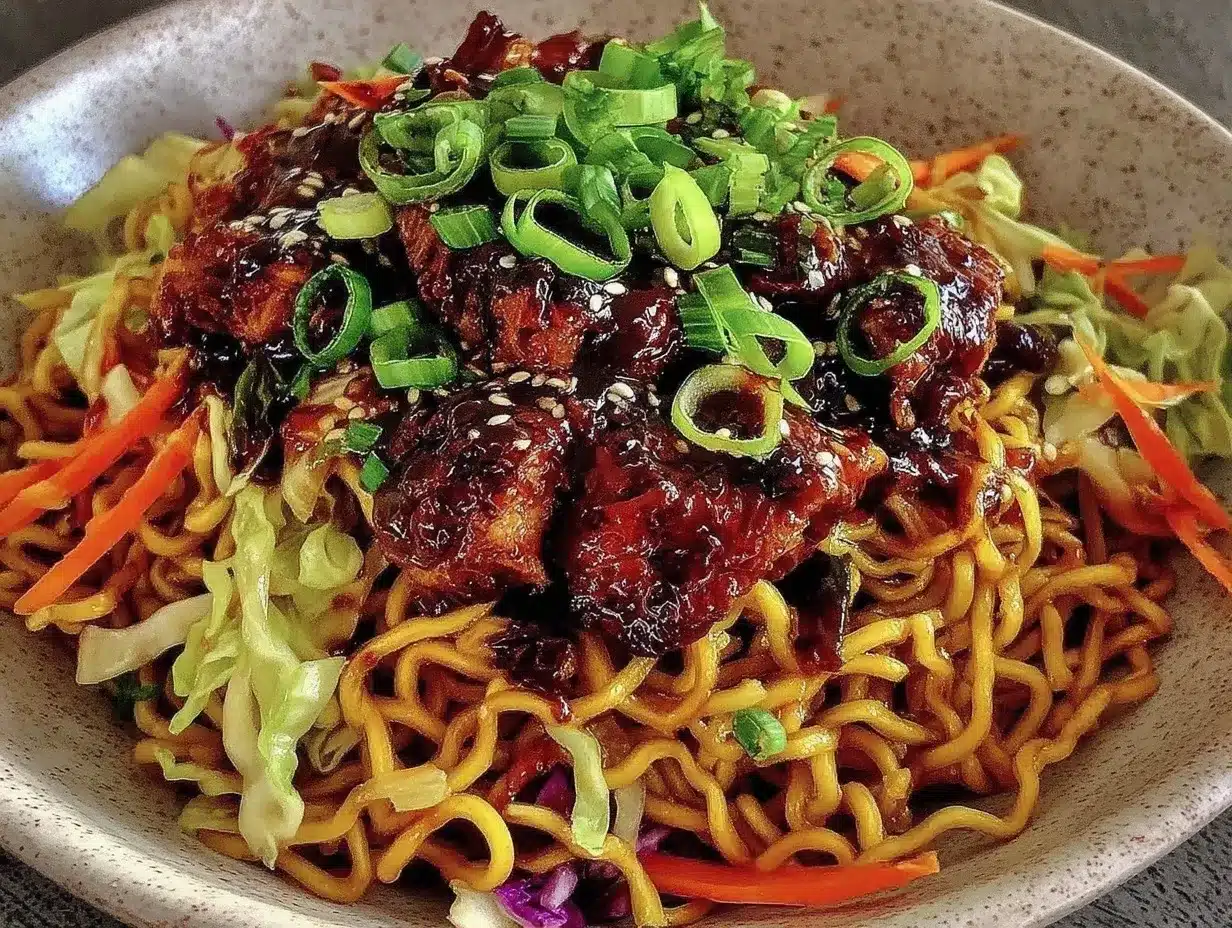
Let’s get into the nitty-gritty of making this crispy chicken chow mein. The process is straightforward, but timing is everything. You want everything ready before you turn on the heat. This is called mise en place, and it’s the secret to stress-free cooking. Here is exactly how to do it.
- Prep the Chicken: Pat the chicken breasts completely dry with paper towels. Moisture is the enemy of crispiness. Slice the chicken into thin, bite-sized strips. Place them in a bowl and sprinkle with 1 tablespoon of cornstarch. Toss until every piece is lightly coated. This coating will create that golden crust. Season with a pinch of salt and white pepper. Set aside.
- Make the Sauce: In a small bowl, whisk together the soy sauce, rice vinegar, 1 tablespoon of water, and 1 teaspoon of cornstarch. Add a pinch of sugar if you like it sweeter. Whisk until the cornstarch is fully dissolved. You want a smooth, liquid sauce. Set this aside near the stove.
- Prep the Veggies: Slice the bell peppers, shred the cabbage, and julienne the carrots. Mince the garlic and grate the ginger. Keep them separate on your cutting board. Having them ready means you won’t burn the garlic while you’re looking for the ginger.
- Boil the Noodles: Bring a large pot of salted water to a boil. Add the egg noodles and cook according to the package directions, usually 3-5 minutes. Drain the noodles and rinse them under cold water. This stops the cooking and removes excess starch. Toss them with a tiny bit of oil to prevent sticking. Set aside.
- Fry the Chicken: Heat 1 tablespoon of vegetable oil in your skillet over medium-high heat. Once the oil shimmers, add the chicken in a single layer. Do not crowd the pan. Cook for 3-4 minutes until golden brown and crispy. Flip and cook for another 2-3 minutes. Remove the chicken to a plate. You may need to do this in two batches. Wipe out the pan if needed.
- Stir-Fry the Veggies: Add the remaining tablespoon of oil to the hot pan. Add the carrots and bell peppers first, as they take longer to cook. Stir-fry for 2 minutes. Then add the cabbage, garlic, and ginger. Cook for another 1-2 minutes until the veggies are tender-crisp. You want them to still have some bite.
- Combine Everything: Return the chicken to the pan with the veggies. Add the cooked noodles. Pour the sauce mixture over everything. Toss vigorously for 1-2 minutes until the noodles are coated and the sauce has thickened slightly. The sauce will cling to the noodles and chicken.
- Finish and Serve: Remove from heat. Drizzle with the toasted sesame oil. Toss one last time. Garnish with sliced green onions. Serve immediately while hot and crispy. The longer you wait, the softer the chicken gets, so eat it fast!
Pay attention to the sound. When the chicken hits the oil, it should sizzle loudly. If it’s quiet, the pan isn’t hot enough. If it’s smoking, it’s too hot. You want a steady, aggressive sizzle. That’s the sound of crispiness. Trust your ears.
Cooking Tips & Techniques
I’ve made a few mistakes along the way, and I’m here to help you avoid them. The biggest mistake people make is overcrowding the pan. When you put too much chicken in at once, the temperature drops. The chicken steams instead of fries. You end up with gray, soggy meat. Cook in batches. It takes an extra minute, but the result is worth it.
Another tip is to dry your chicken thoroughly. I can’t stress this enough. Use paper towels. Press them against the meat. Remove all surface moisture. This helps the cornstarch adhere and creates that crust. If the chicken is wet, the cornstarch will just slide off into the oil.
Don’t overcook the vegetables. You want them crisp-tender. If they’re mushy, the dish loses its texture contrast. The crunch of the carrots and cabbage is essential to balance the soft noodles and crispy chicken. Cook them quickly over high heat. Stir constantly. This keeps the color vibrant and the nutrients intact.
When adding the sauce, make sure it’s well-mixed. Cornstarch settles at the bottom. If you pour from the bottom of the bowl, you’ll get a gloopy mess. Stir it right before pouring. Also, add the sauce at the very end. If you add it too early, the noodles will absorb all the liquid and become dry. You want a glossy coating, not a soup.
Use high heat for the stir-fry. This is called “wok hei,” or breath of the wok. It’s that smoky flavor you get from professional kitchens. At home, we mimic this by keeping the heat high and moving the food constantly. Don’t let it sit in the pan. Keep it moving. This prevents burning and ensures even cooking.
Finally, taste as you go. Every brand of soy sauce is different. Some are saltier than others. If your sauce tastes flat, add a splash more vinegar or a pinch more salt. Adjust to your preference. Cooking is about balancing flavors, not just following rules. Trust your palate.
Can I use a different type of noodle?
Yes, you can use rice noodles or even zucchini noodles for a low-carb option. However, egg noodles provide the best chew and texture for this specific recipe. Rice noodles can break easily if tossed too vigorously.
What if I don’t have rice vinegar?
You can substitute with apple cider vinegar or white wine vinegar. The flavor will be slightly different, but it will still work. Just start with a smaller amount and adjust to taste.
How do I keep the chicken crispy?
The key is to fry it just before serving. If you make it ahead and reheat it, the crust will soften. For best results, serve immediately after tossing with the sauce. If you must reheat, use a skillet or oven, not a microwave.
Can I add other vegetables?
Absolutely. Mushrooms, bok choy, or snow peas work great. Just add them based on their cooking time. Hard veggies go in first, soft veggies go in last.
Is this recipe spicy?
The base recipe is not spicy. It’s savory and tangy. If you like heat, add red pepper flakes, sriracha, or chili oil to the sauce. Start with a teaspoon and adjust to your liking.
Variations & Adaptations
One of the best things about this crispy chicken chow mein is how adaptable it is. You can tweak it to fit your dietary needs or taste preferences. Here are a few variations I love.
For a gluten-free version, swap the soy sauce for tamari or coconut aminos. Use rice noodles instead of egg noodles. The cornstarch is naturally gluten-free, so the chicken coating stays the same. This version is just as flavorful and satisfying.
If you want more protein, add tofu or shrimp. Press firm tofu and fry it until golden. Shrimp cooks very quickly, so add it at the end with the veggies. Both pair beautifully with the ginger and garlic flavors.
For a spicier kick, add a tablespoon of gochujang (Korean chili paste) to the sauce. It adds a deep, fermented heat that is incredibly delicious. You can also add fresh sliced jalapeños or red pepper flakes.
I once tried adding a splash of orange juice to the sauce. It was surprisingly good. The citrus brightness complemented the ginger nicely. It felt like a fusion dish. It’s a fun experiment for weekend cooking.
Serving & Storage Suggestions
Serve this crispy chicken chow mein hot, straight from the pan. It looks best in a wide, shallow bowl. The noodles should be piled high, with the crispy chicken and colorful veggies visible on top. Garnish generously with green onions and maybe some sesame seeds for extra texture.
It pairs well with a simple side salad or steamed broccoli. A light broth, like hot and sour soup, is a classic companion. For drinks, try a cold ginger ale or a crisp white wine. The acidity in the wine cuts through the richness of the dish.
Leftovers can be stored in an airtight container in the refrigerator for up to 3 days. The noodles will absorb more sauce over time, so they may seem dry. To reheat, add a splash of water or broth to the pan. Warm over medium heat, stirring frequently. The microwave works too, but the texture won’t be as good.
Do not freeze this dish. The noodles will become mushy upon thawing. It’s best enjoyed fresh. The flavors develop overnight, so leftovers are still good the next day, but the texture changes. Keep that in mind when planning your meals.
Nutritional Information & Benefits
This crispy chicken chow mein is a balanced meal. The chicken provides lean protein, which helps build and repair muscle. The vegetables add fiber, vitamins, and minerals. The egg noodles offer carbohydrates for energy. It’s a complete meal in one bowl.
By using less oil and controlling the soy sauce, you can keep the sodium and fat content in check. It’s not a diet food, but it’s not a cheat meal either. It’s a healthy-ish weeknight dinner. The fresh ginger and garlic have anti-inflammatory properties, which is a nice bonus.
For those watching carbs, you can reduce the noodle portion and double the veggies. Or use zucchini noodles. The flavor profile remains the same. It’s a flexible recipe that fits many lifestyles. Just listen to your body and adjust portions as needed.
Conclusion
This crispy chicken chow mein is a weeknight win for a reason. It’s fast, it’s flavorful, and it’s incredibly satisfying. I hope you try it and find it as enjoyable as I do. It’s a recipe that brings brightness to your table and comfort to your belly. Don’t be afraid to experiment with the veggies or the spice level. Make it your own.
If you make this, let me know how it turns out. Leave a comment below with your thoughts. Did you add extra chili oil? Did you use rice noodles? I love hearing about your adaptations. Share your photos on social media and tag me. I’d love to see your creations.
Cooking should be fun, not stressful. This recipe is designed to be easy and rewarding. Grab your skillet, chop some veggies, and enjoy the process. You’ve got this. Happy cooking!
FAQs
How do I prevent the noodles from sticking together?
Rinse the cooked noodles under cold water immediately after draining. This removes excess starch. Toss them with a teaspoon of oil before adding them to the stir-fry. This keeps them separate and prevents clumping.
Can I marinate the chicken ahead of time?
Yes, you can marinate the chicken in the soy sauce and cornstarch mixture for up to 4 hours. This can actually improve the flavor. Just keep it in the fridge until you’re ready to cook.
What is the best oil to use for frying?
Use an oil with a high smoke point, like avocado oil, canola oil, or peanut oil. These oils can handle the high heat needed for crispiness without burning. Olive oil is not recommended for high-heat frying.
How do I get the sauce to thicken properly?
Make sure the cornstarch is fully dissolved in the sauce mixture before pouring. Stir constantly while the sauce heats up. It will thicken within 30-60 seconds. If it’s too thick, add a splash of water. If it’s too thin, cook it a bit longer.
Is this recipe good for meal prep?
It’s okay for meal prep, but the noodles may soften over time. For best results, store the sauce separately and toss it with the noodles and chicken just before eating. This maintains the texture and crispiness.
Pin This Recipe!
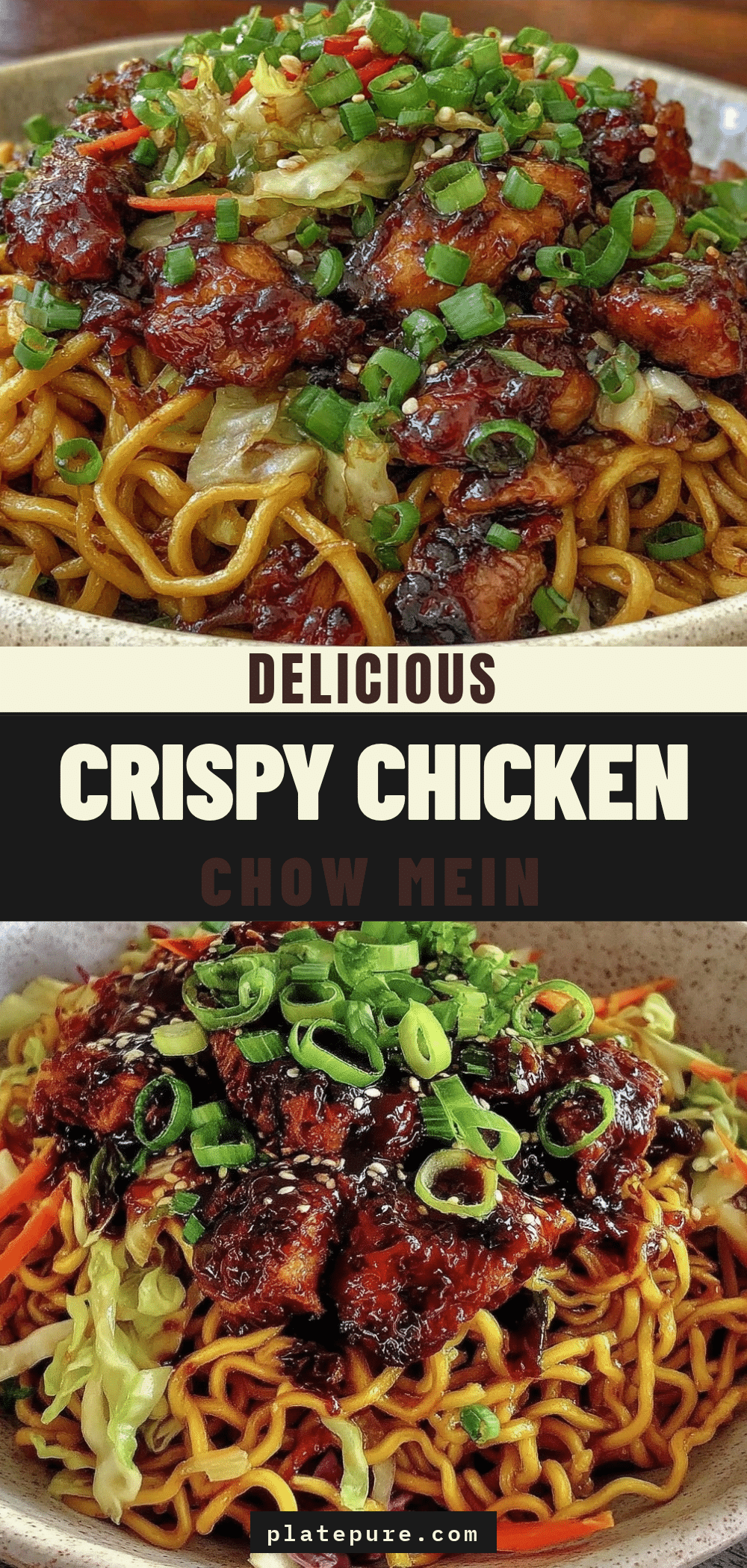

Crispy Chicken Chow Mein: 20-Minute Bright & Bold Weeknight Win
- Total Time: 20 minutes
- Yield: 4 servings 1x
Description
A fast, flavorful weeknight dinner featuring crispy cornstarch-dusted chicken, chewy egg noodles, and crisp vegetables tossed in a tangy soy-ginger sauce. Ready in just 20 minutes.
Ingredients
- 2 large boneless, skinless chicken breasts, cut into thin strips
- 8 ounces dried egg noodles
- 1 cup shredded carrots
- 1 cup sliced bell peppers (red or green)
- 1 cup shredded cabbage
- 4 cloves fresh garlic, minced
- 1-inch piece fresh ginger, grated
- 3 tablespoons low-sodium soy sauce
- 1 tablespoon unseasoned rice vinegar
- 1 teaspoon toasted sesame oil
- 2 tablespoons cornstarch (divided)
- 2 tablespoons neutral vegetable oil (divided)
- 2 green onions, sliced
- Salt and white pepper to taste
- Pinch of sugar (optional)
Instructions
- Pat chicken breasts dry and slice into thin strips. Toss with 1 tablespoon cornstarch, salt, and white pepper. Set aside.
- In a small bowl, whisk together soy sauce, rice vinegar, 1 tablespoon water, 1 teaspoon cornstarch, and a pinch of sugar if desired. Set aside.
- Prepare vegetables: slice bell peppers, shred cabbage, julienne carrots, mince garlic, and grate ginger.
- Bring a large pot of salted water to a boil. Cook egg noodles for 3-5 minutes until tender. Drain and rinse under cold water. Toss with a tiny bit of oil to prevent sticking.
- Heat 1 tablespoon vegetable oil in a large skillet over medium-high heat. Add chicken in a single layer (cook in batches if necessary) and fry for 3-4 minutes until golden and crispy. Flip and cook for another 2-3 minutes. Remove chicken to a plate.
- Add remaining 1 tablespoon oil to the hot pan. Stir-fry carrots and bell peppers for 2 minutes. Add cabbage, garlic, and ginger; cook for 1-2 minutes until tender-crisp.
- Return chicken to the pan with vegetables. Add cooked noodles and pour sauce mixture over everything. Toss vigorously for 1-2 minutes until noodles are coated and sauce thickens.
- Remove from heat. Drizzle with toasted sesame oil and toss. Garnish with green onions and serve immediately.
Notes
Ensure chicken is completely dry before coating with cornstarch to maximize crispiness. Do not overcrowd the pan when frying chicken; cook in batches if necessary. Rinse noodles under cold water to stop cooking and prevent sticking. Serve immediately for best texture, as the chicken crust will soften if left to sit.
- Prep Time: 10 minutes
- Cook Time: 10 minutes
- Category: Main Course
- Cuisine: Chinese
Nutrition
- Serving Size: 1 bowl
- Calories: 450
- Sugar: 6
- Sodium: 680
- Fat: 18
- Saturated Fat: 3
- Carbohydrates: 45
- Fiber: 3
- Protein: 28
Keywords: crispy chicken chow mein, quick weeknight dinner, stir fry, egg noodles, chinese food, 20 minute meals, healthy takeout alternative