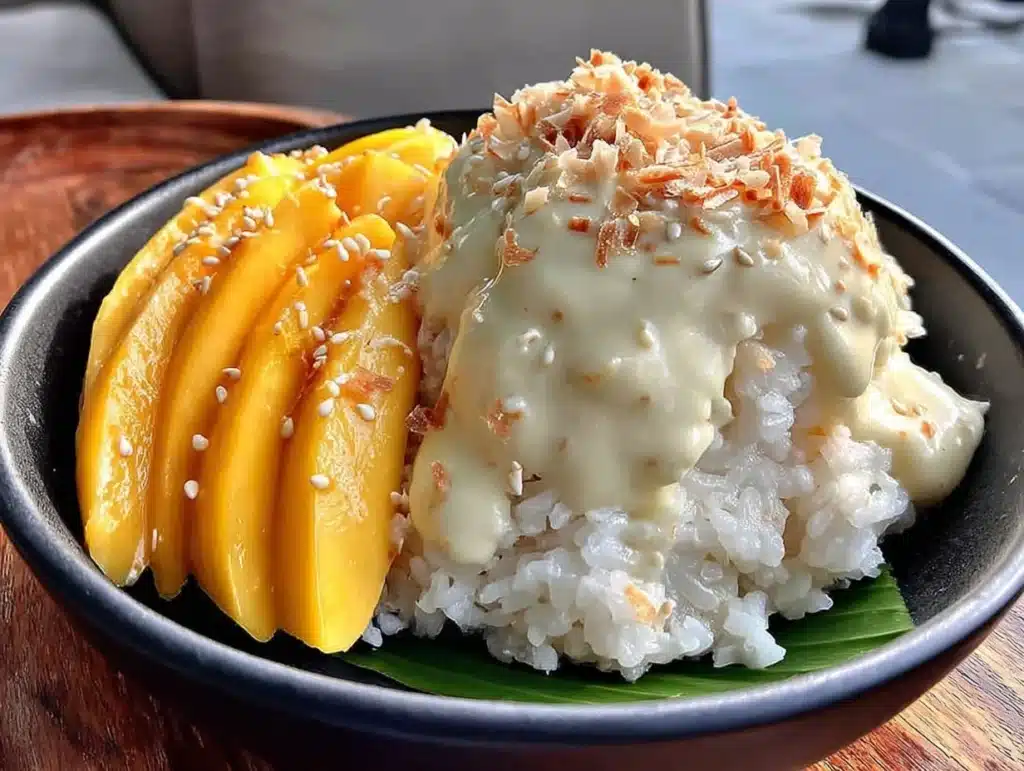
The smell of warm, steaming sticky rice mixed with coconut milk takes me straight back to a humid evening in Bangkok. I remember sitting on a plastic stool on the sidewalk, watching the city lights flicker on one by one. It was my first time trying authentic Thai desserts, and honestly, I was skeptical. Sweet rice? In Thailand? It sounded like a contradiction to my Western palate.
But then, I took that first bite. The texture was chewy and soft, while the mango was bright, sweet, and tangy all at once. It wasn’t just a dessert; it was a sensory experience that snapped my taste buds back to attention. That single bite changed how I view comfort food forever. I didn’t need rich chocolate or heavy cream to feel satisfied. I needed fruit, starch, and a splash of salt.
I’ve made Classic Mango Sticky Rice over a dozen times since that trip. Each batch has taught me something new about balancing the savory coconut sauce with the sweet fruit. As someone who loves bold flavors, I find this dish to be the perfect example of simplicity done right. It’s not just good; it’s the kind of dessert that makes you close your eyes after the first bite. It’s comfort food reimagined—lighter, faster, but with the same soul-soothing satisfaction.
If you’re tired of heavy cakes or overly sweet pastries, this recipe is your answer. It’s perfect for busy weeknights when you want something special but quick. It’s also great for impressing guests without spending hours in the kitchen. Let’s face it, who has time for complicated baking projects? This dish comes together in under an hour, and the results are always a crowd-pleaser.
Why You’ll Love This Recipe
There is a reason this dish has been a staple in Thai cuisine for centuries. It works because it balances textures and temperatures perfectly. The warm, soft rice contrasts beautifully with the cool, firm slices of ripe mango. It’s a combination that just feels right in your mouth. I’ve tested many variations of this dessert, and I can tell you that sticking to the traditional method yields the best results.
Here is why this recipe stands out from the rest:
- Quick & Easy: You don’t need to soak the rice for hours if you use the microwave method. It comes together in under 30 minutes, perfect for those last-minute cravings.
- Simple Ingredients: You likely already have most of these items in your pantry. Coconut milk, sugar, salt, and rice are the core components. No fancy grocery trips needed.
- Perfect for Summer: This is the ultimate summer dessert. It’s light, refreshing, and doesn’t leave you feeling weighed down after eating.
- Crowd-Pleaser: Kids and adults alike love the chewy texture. It’s a safe bet for potlucks or family dinners where you need a dessert everyone will enjoy.
- Unbelievably Delicious: The salt in the coconut sauce cuts through the sweetness of the mango. It creates a flavor profile that is next-level comfort food.
What makes this recipe different is the attention to detail in the sauce. Many people skip the salt or use too much sugar, which makes the dish cloying. By balancing the coconut milk with a pinch of sea salt, you create a savory-sweet harmony that wakes up your palate. It’s similar to how a squeeze of lemon can save a bland dish. If you enjoy bright flavors in other recipes, like our spicy Asian cucumber salad, you will appreciate the balance here.
It’s also incredibly versatile. You can serve it warm or cold. It works as a standalone dessert or as a side to a spicy curry. I often make it when I’ve had a heavy meal and need something light to finish the night. It’s not just a recipe; it’s a tool for keeping your meals interesting and balanced.
What Ingredients You Will Need
This recipe uses simple, wholesome ingredients to deliver bold flavor and satisfying texture without the fuss. The magic lies in the quality of the rice and the ripeness of the mango. You don’t need exotic spices or hard-to-find items. Just focus on getting the best versions of these few components.
- Glutinous Rice (Sticky Rice): This is non-negotiable. Do not use regular long-grain rice. Look for white glutinous rice, also called sweet rice. It has the chewy texture we want. I recommend buying it from an Asian market for the best freshness. (Adds the essential chew)
- Coconut Milk: Use full-fat coconut milk from a can, not the carton beverage. The fat content is crucial for a rich, creamy sauce. Shake the can before opening. (Provides richness and body)
- Granulated Sugar: White sugar works best here to keep the color bright. Brown sugar can make the sauce too dark and add a molasses flavor that clashes. (Sweetens the sauce)
- Sea Salt: This is the secret ingredient. It balances the sweetness and highlights the coconut flavor. Don’t skip it. (Balances sweetness)
- Ripe Mangoes: Choose mangoes that are fragrant and yield slightly to pressure. Nam Dok Mai or Ataulfo mangoes are ideal because they are less fibrous. (Adds freshness and sweetness)
- Toasted Sesame Seeds: Optional, but highly recommended. They add a nutty crunch and visual appeal. (Adds texture and aroma)
If you can’t find glutinous rice, you might find it labeled as “sweet rice flour” but the whole grain is better. For the coconut milk, I personally prefer the brand Aroy-J for its consistent creaminess. Look for firm, small-curd mangoes if you want less stringiness. In summer, swap in fresh berries instead of frozen if you want a different twist, but mango is classic.
You can also adjust the sweetness to your taste. If you prefer less sugar, reduce the amount by a tablespoon. The natural sweetness of the mango should carry the dish. For a dairy-free option, this recipe is already naturally vegan, which is a huge plus. Just ensure your sugar is vegan-friendly if that matters to you.
Do I need to soak the rice overnight?
You can soak it for 4 hours or overnight for the best texture, but it’s not strictly necessary if you are short on time.
Can I use jasmine rice instead?
No, jasmine rice will not be sticky enough. You need glutinous rice for that authentic chewy texture.
Equipment Needed
You don’t need fancy gadgets to make this dessert. A few basic kitchen tools are all you need. I prefer using a microwave for the rice because it’s faster and less messy than steaming. However, a steamer basket works well too if you have one.
- Microwave-safe bowl: A large glass bowl works best. Make sure it has enough room for the rice to expand.
- Measuring cups and spoons: Standard kitchen measuring tools are sufficient.
- Small saucepan: For heating the coconut milk sauce. A small one prevents burning.
- Whisk or fork: To mix the sugar and salt into the coconut milk until dissolved.
- Serving plates: Shallow bowls look nice for presentation.
If you don’t have a microwave, you can use a traditional steamer. Just be sure to line it with a cheesecloth to prevent the rice from falling through. I’ve also used an Instant Pot on the rice setting with great results. Just add a little water to the pot. Budget-friendly options include using a simple colander over a pot of boiling water. The key is to have a vessel that allows steam to circulate around the rice.
Preparation Method
Let’s get into the nitty-gritty of making this dessert. The process is straightforward, but timing is everything. Follow these steps closely for the best results.
- Rinse the Rice: Place 1 cup of glutinous rice in a fine-mesh strainer. Rinse it under cold water until the water runs clear. This removes excess starch. (2 minutes)
- Soak the Rice: Transfer the rice to a bowl and cover with cold water. Let it soak for at least 4 hours, or overnight. If you’re in a rush, soak it for 30 minutes and add 15 minutes to the cooking time. (4 hours or 30 minutes)
- Prepare the Coconut Sauce: In a small saucepan, combine 1 cup of coconut milk, 1/3 cup sugar, 1/2 teaspoon salt, and 1 teaspoon cornstarch. Whisk until smooth. Heat over medium heat until it thickens slightly. Remove from heat and set aside. (5 minutes)
- Steam or Microwave the Rice: Drain the soaked rice. Place it in a microwave-safe bowl. Add 1/4 cup water. Cover with plastic wrap or a damp paper towel. Microwave on high for 5 minutes. Stir, then microwave for another 5 minutes. Check if the rice is tender. If not, microwave for 2 more minutes. (10-15 minutes)
- Combine Rice and Sauce: While the rice is hot, pour half of the warm coconut sauce over it. Stir gently to combine. Let it sit for 10 minutes to absorb the flavors. (10 minutes)
- Prepare the Mangoes: Peel the mangoes and slice the flesh away from the pit. Cut into thin slices. Arrange them on serving plates. (5 minutes)
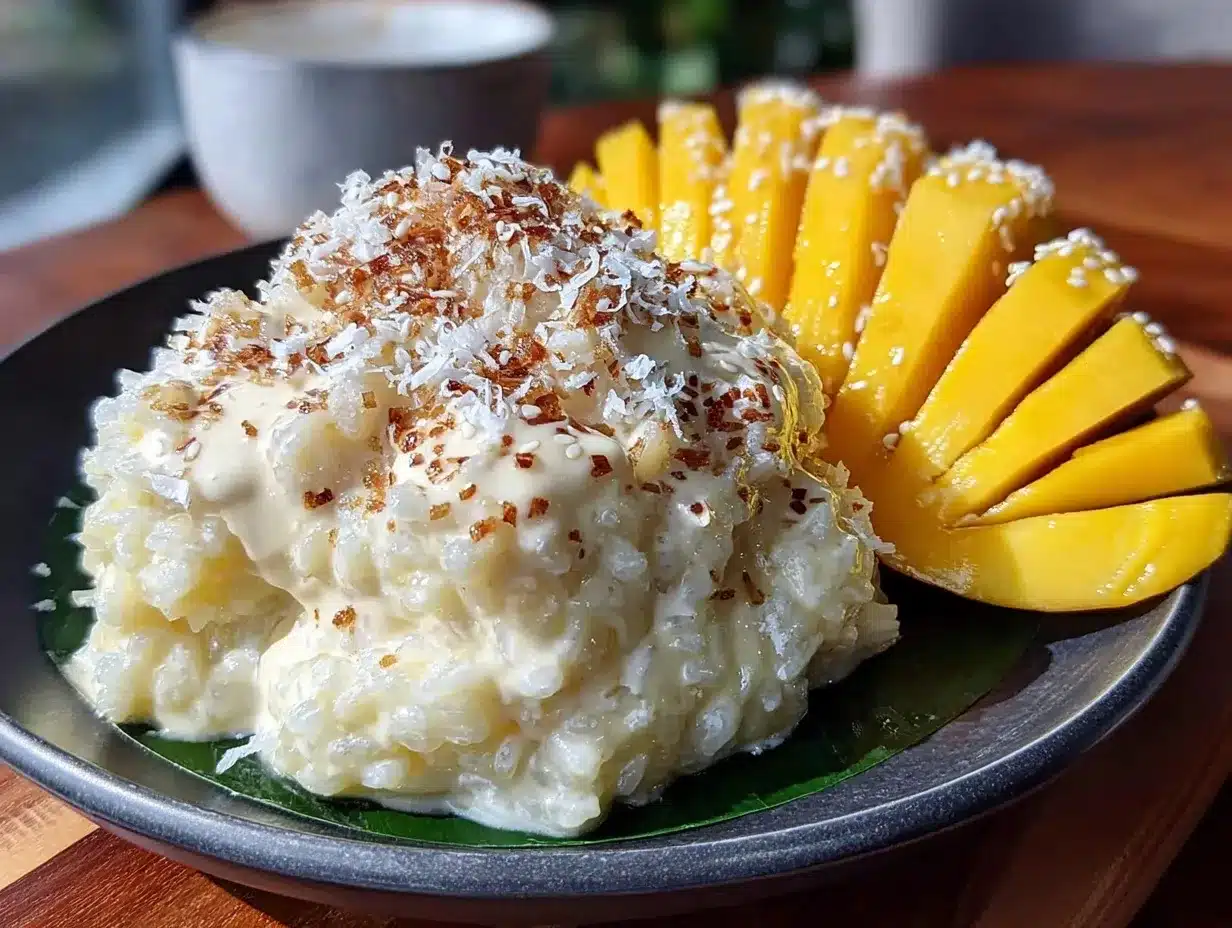
- Assemble and Serve: Place a portion of the sticky rice next to the mango slices. Drizzle with the remaining coconut sauce. Sprinkle with toasted sesame seeds. Serve immediately. (2 minutes)
The rice should be tender but still have a slight chew. If it’s too hard, add a splash more water and microwave. If it’s too wet, cook it a bit longer. The sauce should coat the back of a spoon but not be runny. Taste the sauce before pouring it over the rice to adjust sweetness.
Why does my rice taste bland?
The rice absorbs the sauce best when it is hot. Make sure to pour the warm sauce over the hot rice for maximum flavor absorption.
Can I make this ahead of time?
Yes, you can prepare the rice and sauce separately. Reheat the rice gently before serving to restore the soft texture.
Cooking Tips & Techniques
There are a few tricks I’ve learned over the years to make this dish perfect. The biggest mistake people make is using too much water when cooking the rice. Glutinous rice absorbs water differently than other rices. Start with less water and add more if needed.
Another tip is to toast the sesame seeds yourself. It takes only a minute in a dry pan and adds a huge flavor boost. Just keep an eye on them so they don’t burn. I also like to add a tiny pinch of turmeric to the rice for a beautiful golden color, though this is optional.
Timing is crucial. The rice should be served warm, not hot. If it’s too hot, it will burn your mouth and melt the mango too much. Let it cool for a few minutes after adding the sauce. Also, don’t skip the salt in the sauce. It’s the key to balancing the sweetness. Without it, the dessert will taste one-dimensional.
Multitasking is your friend here. While the rice is cooking, prepare the mangoes. This saves time and ensures everything is ready at once. I’ve also found that using a bamboo tray for serving adds an authentic touch. It’s a small detail that makes a big difference in presentation.
How do I know when the rice is done?
The rice is done when the grains are translucent and tender. They should stick together but still be distinct.
Can I use a rice cooker?
Yes, but use the “white rice” setting and reduce the water amount significantly. Glutinous rice requires less water than regular rice.
Variations & Adaptations
While the classic version is my favorite, there are many ways to tweak this recipe. You can add fried mung beans on top for extra crunch. They add a nutty flavor and a nice textural contrast. I’ve also tried adding a drizzle of chocolate sauce for a fusion twist. It’s surprisingly good, though purists might frown.
For a dairy-free version, this recipe is already perfect. Just ensure your sugar is vegan. You can also swap the sugar for coconut sugar for a lower glycemic index. It has a caramel-like flavor that pairs well with the coconut.
If you want a tropical twist, add some passion fruit pulp on top. The tartness cuts through the richness beautifully. It’s similar to how we use citrus in our strawberry soda hack. You can also use pineapple instead of mango for a different fruit flavor.
For a healthier option, reduce the sugar in the sauce by half. The natural sweetness of the mango will still shine through. You can also add a splash of lime juice to the sauce for extra brightness. These small changes can make the dish suit your dietary needs without sacrificing flavor.
Can I freeze the sticky rice?
Yes, you can freeze the cooked rice for up to a month. Reheat it in the microwave with a little water to restore softness.
What if I don’t have coconut milk?
You can use heavy cream mixed with a little water, but the flavor will be different. Coconut milk is essential for the authentic taste.
Serving & Storage Suggestions
Serve this dessert at room temperature or slightly chilled. It’s best enjoyed fresh, but it can be stored for later. Place the rice and mango in separate containers to prevent the rice from getting soggy.
Store the rice in the refrigerator for up to 3 days. Reheat it gently in the microwave before serving. The mango slices should be eaten fresh, as they will brown and soften quickly. You can make the coconut sauce ahead of time and store it in the fridge for up to a week.
For a beautiful presentation, serve the rice in small, individual bowls. Garnish with extra sesame seeds and a mint leaf. It’s a visually striking dessert that looks great in photos. Pair it with a cup of hot tea or coffee for a complete experience.
The flavors develop over time, but the texture of the rice changes. It becomes firmer when cold. If you prefer soft rice, warm it up before serving. This dessert is great for meal prep if you want to have dessert ready for the week.
How long does the mango last?
Sliced mango should be eaten within 24 hours for the best quality. It does not store well in the refrigerator.
Can I use this recipe for breakfast?
Absolutely! It’s a sweet and satisfying breakfast option. Pair it with a glass of coconut water for a refreshing start.
Nutritional Information & Benefits
This dessert is naturally gluten-free and dairy-free, making it suitable for many dietary restrictions. The glutinous rice provides carbohydrates for energy, while the coconut milk offers healthy fats. Mangoes are rich in Vitamin C and fiber, which supports immune health and digestion.
The calorie count is moderate, depending on the amount of sugar used. By controlling the sugar, you can keep the dessert lighter. The salt helps with hydration and electrolyte balance. Overall, this is a wholesome dessert that doesn’t feel guilty.
I enjoy this recipe as a way to satisfy my sweet tooth without overdoing it. It’s a mindful dessert that encourages slow eating. The combination of textures keeps you interested in every bite. It’s a great way to introduce more fruit into your diet.
Is this recipe keto-friendly?
No, the rice and mango are high in carbohydrates. It is not suitable for a strict keto diet.
How many servings does this make?
This recipe makes about 4 servings. It’s perfect for a small family or a couple with leftovers.
Conclusion
Making Classic Mango Sticky Rice is a rewarding experience that brings a taste of Thailand to your home. It’s simple, delicious, and incredibly satisfying. I hope you try this recipe and enjoy the bright, fresh flavors it offers. It’s a dessert that reminds us that sometimes, less is more.
Feel free to experiment with the toppings and sauces. Add your own twist to make it uniquely yours. I’d love to hear how you like to serve this dish. Leave a comment below with your favorite variations or tips.
Don’t forget to share your photos on social media. Tag me so I can see your creations. Happy cooking, and enjoy every bite of this tropical treat!
FAQs
What type of rice is used for sticky rice?
Glutinous rice, also known as sweet rice or sticky rice, is used. It is high in amylopectin, which gives it its chewy texture.
Can I use a rice cooker for this recipe?
Yes, but use the white rice setting and reduce the water. Do not use the standard brown rice setting.
How do I make the coconut sauce thicker?
Add a teaspoon of cornstarch to the coconut milk and sugar mixture. Heat it until it thickens.
Can I use frozen mangoes?
Fresh mangoes are best for their texture and flavor. Frozen mangoes can be used but may be softer.
Is this dessert vegan?
Yes, it is naturally vegan if you use vegan-friendly sugar and coconut milk.
Pin This Recipe!
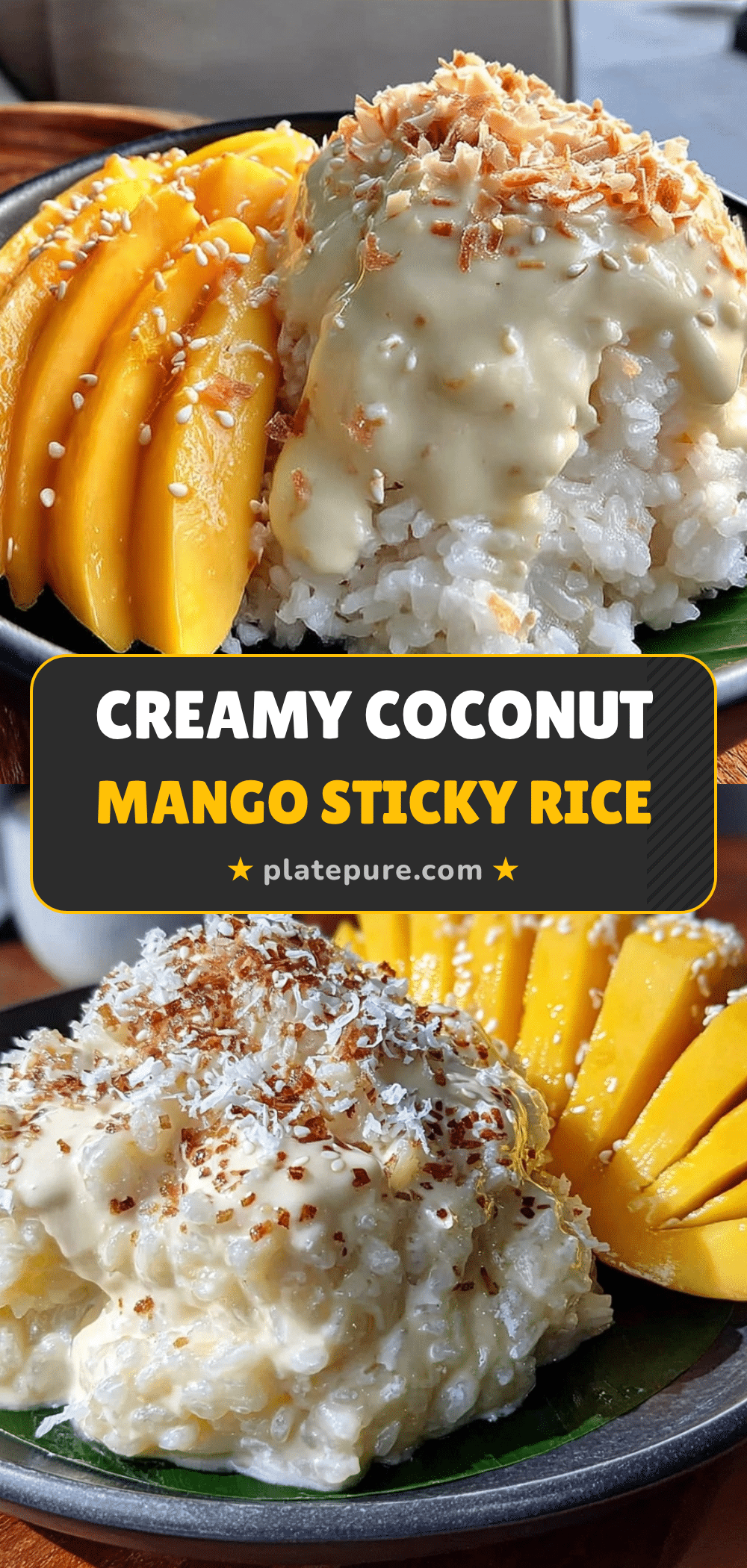

Classic Mango Sticky Rice: 5-Min Bright Thai Dessert
- Total Time: 35 minutes
- Yield: 4 servings 1x
Description
A quick and authentic Thai dessert featuring chewy glutinous rice soaked in a rich, savory-sweet coconut sauce, served with fresh ripe mangoes. This light, gluten-free treat comes together in under 30 minutes using a simple microwave method.
Ingredients
- 1 cup glutinous rice (sticky rice)
- 1 cup full-fat coconut milk (from a can)
- 1/3 cup granulated sugar
- 1/2 teaspoon sea salt
- 1 teaspoon cornstarch
- 2 ripe mangoes (Nam Dok Mai or Ataulfo)
- 1/4 cup water (for cooking rice)
- Toasted sesame seeds (optional, for garnish)
Instructions
- Rinse 1 cup of glutinous rice under cold water in a fine-mesh strainer until the water runs clear to remove excess starch.
- Soak the rinsed rice in a bowl of cold water for at least 4 hours or overnight. If short on time, soak for 30 minutes and add 15 minutes to cooking time.
- In a small saucepan, whisk together 1 cup coconut milk, 1/3 cup sugar, 1/2 teaspoon salt, and 1 teaspoon cornstarch until smooth.
- Heat the coconut mixture over medium heat, stirring constantly, until it thickens slightly. Remove from heat and set aside.
- Drain the soaked rice and place it in a microwave-safe bowl. Add 1/4 cup water and cover with plastic wrap or a damp paper towel.
- Microwave on high for 5 minutes. Stir, then microwave for another 5 minutes. Check for tenderness; if needed, microwave for 2 more minutes.
- While the rice is hot, pour half of the warm coconut sauce over it. Stir gently and let it sit for 10 minutes to absorb the flavors.
- Peel the mangoes and slice the flesh away from the pit. Cut into thin slices.
- Arrange the sticky rice and mango slices on serving plates. Drizzle with the remaining coconut sauce and sprinkle with toasted sesame seeds. Serve immediately.
Notes
Ensure you use glutinous (sweet) rice, not regular jasmine or long-grain rice, for the correct chewy texture. Use full-fat canned coconut milk, not carton beverage, for richness. The salt in the sauce is crucial to balance the sweetness. If you don’t have a microwave, you can steam the rice in a steamer basket lined with cheesecloth. Toast sesame seeds in a dry pan for extra flavor.
- Prep Time: 15 minutes
- Cook Time: 20 minutes
- Category: Dessert
- Cuisine: Thai
Nutrition
- Serving Size: Approximately 1 cup
- Calories: 380
- Sugar: 45
- Sodium: 250
- Fat: 12
- Saturated Fat: 10
- Carbohydrates: 65
- Fiber: 3
- Protein: 4
Keywords: Thai dessert, mango sticky rice, glutinous rice, coconut milk, vegan dessert, gluten-free, quick dessert, Asian cuisine, sticky rice recipe