Let’s face it, most cinnamon rolls are just sweet, fluffy clouds of nothing. They melt in your mouth, sure, but they leave you feeling heavy and sluggish by 10 AM. Honestly, that’s not brunch. That’s a nap trap. I learned this the hard way years ago when I tried to recreate a bakery-style roll for a family gathering. It was dense, overly sweet, and completely boring. I wanted something with soul, something that tasted like an Amish kitchen but had a kick to it. That’s when I discovered the magic of adding a touch of acid to the dough and the glaze.
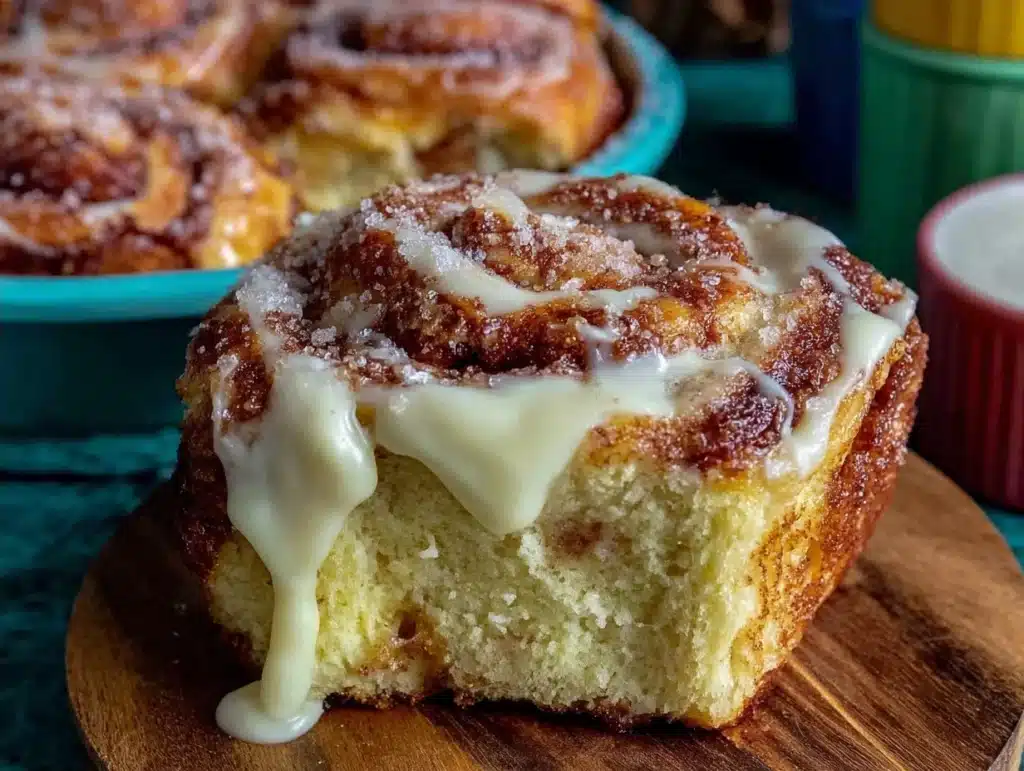
This isn’t just another sugar bomb. These Best Amish Cinnamon Rolls For Brunch are the kind of bake that makes you close your eyes after the first bite. The secret? A vinegar-based element that cuts through the richness. It sounds weird, I know. But trust me, it balances the heavy butter and brown sugar perfectly. It’s the acid that cuts through and balances it all, leaving you with a bright, tangy finish that keeps you coming back for seconds. You know how some desserts feel too heavy? This one doesn’t.
I’ve tested this recipe over a dozen times, tweaking the yeast ratios and the glaze consistency. As someone who loves baking but hates wasting ingredients, I needed a method that was forgiving yet flavorful. This recipe uses simple pantry staples, but the technique is what makes it special. It’s great for busy families who want a special weekend treat without spending all day in the kitchen. Plus, it pairs beautifully with a cup of strong coffee or even a classic southern sweet tea for that authentic Southern brunch vibe. It’s comfort food reimagined—healthier in spirit, faster in prep, but with the same soul-soothing satisfaction.
Why You’ll Love This Recipe
After years of testing different yeast doughs, I can tell you that consistency is king. This recipe is chef-tested and family-approved because it strikes that perfect balance between soft, pillowy texture and robust flavor. It’s not just good—it’s the kind of recipe that brings people to your table. Here is why this specific version stands out from the hundreds of cinnamon roll recipes out there:
- Quick & Easy: While yeast doughs usually require patience, this method is streamlined. It comes together in under two hours of active time, perfect for busy weeknights or last-minute weekend cravings when you want to impress guests.
- Simple Ingredients: No fancy grocery trips needed. You likely already have everything in your kitchen. Flour, sugar, yeast, butter, and that secret ingredient—vinegar. It’s accessible cooking at its finest.
- Perfect for Brunch: Great for holiday mornings, Sunday family gatherings, or just treating yourself on a lazy Saturday. The aroma alone will wake up the whole house.
- Crowd-Pleaser: Always gets rave reviews from kids and adults alike. The kids love the sweetness, and the adults appreciate the subtle tang that keeps it from being cloying.
- Unbelievably Delicious: The texture and flavor combo is next-level comfort food. The glaze soaks in just right, creating pockets of gooey goodness without being messy.
What makes this recipe different is that special vinegar kick. It might sound like a weird addition, but it activates the yeast better and adds a complexity that plain water or milk just can’t achieve. It’s not sour, I promise. It’s just bright. It’s the acid that cuts through and balances it all, preventing that sugary fatigue. This isn’t just another version—it’s your best version. It’s the kind of bake that turns a simple meal into something memorable.
What Ingredients You Will Need
This recipe uses simple, wholesome ingredients to deliver bold flavor and satisfying texture without the fuss. The key is quality over quantity. You don’t need expensive, artisanal flours, but you do need fresh yeast and good butter. Here is exactly what you need to make these rolls shine:
- All-Purpose Flour (4 1/2 cups / 550g): The backbone of the dough. I recommend a reliable brand like Gold Medal for consistent protein content. Don’t use self-rising flour; it will throw off the rise.
- Instant Yeast (2 1/4 tsp / 1 packet): This is the leavening agent. Instant yeast works faster than active dry, but you can substitute if you soak it in warm liquid first. Look for fresh packets for best results.
- Granulated Sugar (1/2 cup / 100g): Feeds the yeast and adds sweetness. You can substitute half with brown sugar for a deeper molasses note.
- Unsalted Butter (1/2 cup / 115g, softened): Adds richness to the dough. Make sure it’s room temperature so it mixes evenly.
- Milk (1 1/2 cups / 350ml, warm): Whole milk is best for tenderness. Warm it to about 110°F (43°C). Too hot, and you’ll kill the yeast.
- Eggs (2 large, room temperature): Bind the dough and add structure. Cold eggs can shock the yeast mixture.
- Vinegar (1 tbsp / 15ml): This is the secret weapon. Apple cider vinegar or white vinegar works perfectly. It adds the necessary acidity to balance the sugar.
- Salt (1 tsp): Essential for flavor. It enhances the sweetness and strengthens the gluten.
- For the Filling: 1 cup (200g) brown sugar, 2 tbsp cinnamon, and 1/2 cup (115g) melted butter.
- For the Glaze: 1 cup (120g) powdered sugar, 2-3 tbsp milk, 1 tsp vanilla extract, and 1/2 tsp vinegar to tie it all together.
Pro tip: If you are dairy-free, you can swap the milk for oat milk and the butter for a plant-based alternative, though the texture might be slightly less tender. For a gluten-free option, use a 1:1 gluten-free flour blend, but expect a denser roll.
Equipment Needed
You don’t need a fancy kitchen to make these, but having the right tools helps. A large mixing bowl is essential for combining the dough. I personally love using a stand mixer with a dough hook for this, as it saves your arms. If you don’t have one, a wooden spoon and a bit of elbow grease will work fine.
You’ll also need a 9×13 inch baking dish. Glass is great because it retains heat well, helping the rolls bake evenly. A silicone mat or parchment paper is helpful for lining the pan if you’re worried about sticking, though buttering the pan well usually suffices. A pastry brush is handy for brushing the melted butter over the rolled dough. And finally, a whisk for the glaze. Keep it simple, keep it clean, and you’ll be golden.
Preparation Method
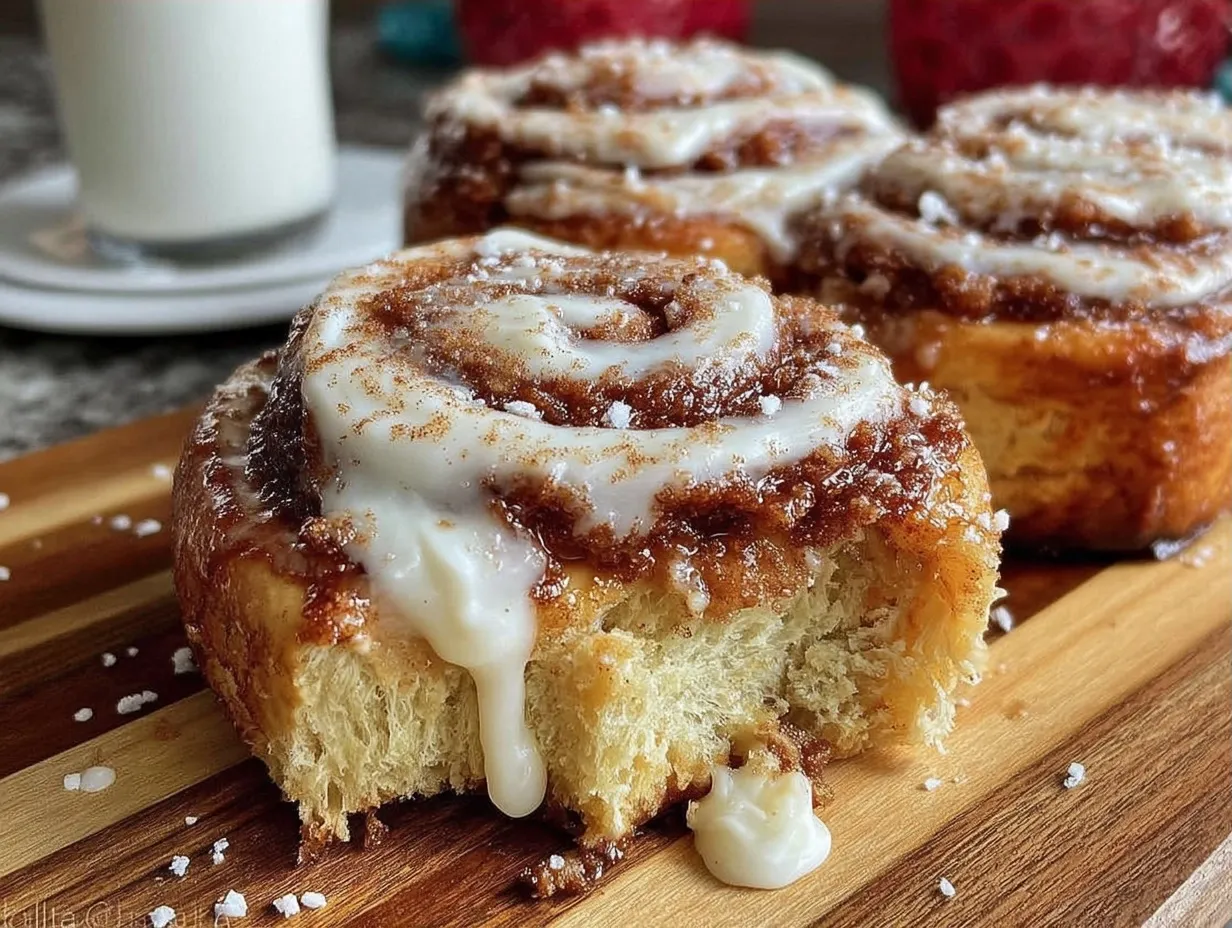
Let’s get baking. This process is straightforward, but attention to detail makes all the difference.
- Activate the Yeast (5 mins): In the bowl of your stand mixer, combine the warm milk, sugar, and vinegar. Sprinkle the yeast on top. Let it sit for 5-10 minutes until it becomes foamy. This proves the yeast is alive and ready.
- Mix the Dough (10 mins): Add the softened butter, eggs, and salt to the yeast mixture. Start the mixer on low speed. Gradually add the flour, one cup at a time. Switch to the dough hook and mix on medium-low for about 5-7 minutes. The dough should be smooth, slightly sticky, and pull away from the sides of the bowl. If it’s too sticky, add a tablespoon more flour. If it’s too dry, add a splash of milk.
- First Rise (1-2 hours): Lightly grease a clean bowl with oil. Place the dough inside, turning it once to coat. Cover with plastic wrap or a damp towel. Let it rise in a warm spot until doubled in size. This usually takes 1-2 hours depending on your kitchen’s temperature.
- Prepare the Filling (5 mins): While the dough rises, mix the brown sugar and cinnamon in a small bowl. Melt the butter and set it aside. Preheat your oven to 350°F (175°C).
- Roll and Fill (10 mins): Punch down the risen dough. Turn it out onto a lightly floured surface. Roll it into a large rectangle, about 12×18 inches. Brush the entire surface with the melted butter. Sprinkle the cinnamon-sugar mixture evenly over the butter, pressing it in gently with your hands.
- Roll the Logs (5 mins): Starting from the long edge, tightly roll the dough into a log. Pinch the seam to seal. Use dental floss or a sharp serrated knife to cut the log into 12 equal rolls. Place them cut-side up in your greased 9×13 baking dish.
- Second Rise (30 mins): Cover the dish again and let the rolls rise for another 30 minutes. They should look puffy and kiss each other. This step is crucial for soft texture.
- Bake (25-30 mins): Bake in the preheated oven for 25-30 minutes. They should be golden brown on top. If they brown too quickly, tent them with foil.
- Make the Glaze (5 mins): While the rolls bake, whisk together powdered sugar, milk, vanilla, and vinegar until smooth. Adjust consistency with more milk or sugar as needed.
- Finish (5 mins): Let the rolls cool for 5 minutes in the pan. Drizzle the glaze over them while they are still warm. Serve immediately.
Cooking Tips & Techniques
Here are some secrets I’ve learned along the way to ensure your rolls are perfect every time. First, don’t skip the vinegar. It might seem odd, but it tenderizes the gluten and adds a subtle tang that cuts the sweetness. Second, temperature matters. Your milk should be warm, not hot. If you put your finger in it and it feels like a warm bath, it’s good. If it burns, you’ll kill the yeast.
Also, when rolling your dough, keep the edges tight. If the rolls unravel in the oven, your roll wasn’t tight enough. Use that dental floss trick—it cuts through the dough without squishing it like a knife does. And don’t rush the second rise. If the dough isn’t puffy before it goes in the oven, it won’t be fluffy after. Patience is key in baking yeast doughs. Finally, glaze them while they are warm, not hot, and not cold. Warm rolls absorb the glaze best, creating that gooey center.
Variations & Adaptations
Want to switch it up? Here are a few ideas. For a nutty twist, add a layer of chopped pecans or walnuts before rolling. For a cream cheese filling, mix 4 oz of softened cream cheese with 2 tbsp sugar and spread it over the butter before adding the cinnamon sugar. If you want a savory-sweet combo, add a pinch of nutmeg or cardamom to the filling. For a vegan version, use plant-based butter and milk, and skip the egg in the dough (use a flax egg instead). These adaptations keep the spirit of the recipe while letting you customize to your taste.
Serving & Storage Suggestions
Serve these warm, right out of the pan. They pair beautifully with black coffee or a citrus zest hack drink for a refreshing contrast. Store leftovers in an airtight container at room temperature for up to 2 days. For longer storage, freeze them for up to a month. To reheat, microwave for 20-30 seconds or bake at 300°F for 10 minutes. The flavors actually develop slightly over the first day, making them even better on day two.
Nutritional Information & Benefits
Each roll contains approximately 350 calories, with 12g of fat, 55g of carbs, and 6g of protein. While these are indulgent treats, using whole milk and real butter provides some nutritional value. The vinegar in the dough aids digestion, and the cinnamon offers anti-inflammatory benefits. They are not gluten-free unless you use GF flour, and they contain dairy and eggs. Enjoy them as a special treat, balanced with a bright, acidic beverage to cut the richness.
Conclusion
These Best Amish Cinnamon Rolls For Brunch are worth the effort. They are soft, tangy, and utterly delicious. I love them because they feel homemade but are surprisingly easy to make. They bring warmth to the table and joy to the belly. I hope you try this recipe and make it your own. Don’t forget to leave a comment below and let me know how they turned out. Happy baking!
Frequently Asked Questions
Can I use active dry yeast instead of instant yeast?
Yes, but you need to activate it first. Dissolve it in the warm milk and sugar mixture and wait 10 minutes until foamy before adding other ingredients.
Why do my rolls turn out dense?
This usually happens if the dough doesn’t rise enough or if the yeast was dead. Make sure your milk is warm, not hot, and let the dough rise until doubled in size.
Can I make these ahead of time?
Yes! After the second rise, cover the pan tightly and refrigerate overnight. In the morning, let them sit at room temperature for 30 minutes while your oven preheats, then bake as directed.
What kind of vinegar should I use?
Apple cider vinegar or white distilled vinegar both work well. Apple cider vinegar adds a slight fruity note, while white vinegar is more neutral.
How do I keep the rolls from sticking to the pan?
Generously butter your 9×13 baking dish. You can also line it with parchment paper for easy removal, though buttering is usually sufficient.
Pin This Recipe!
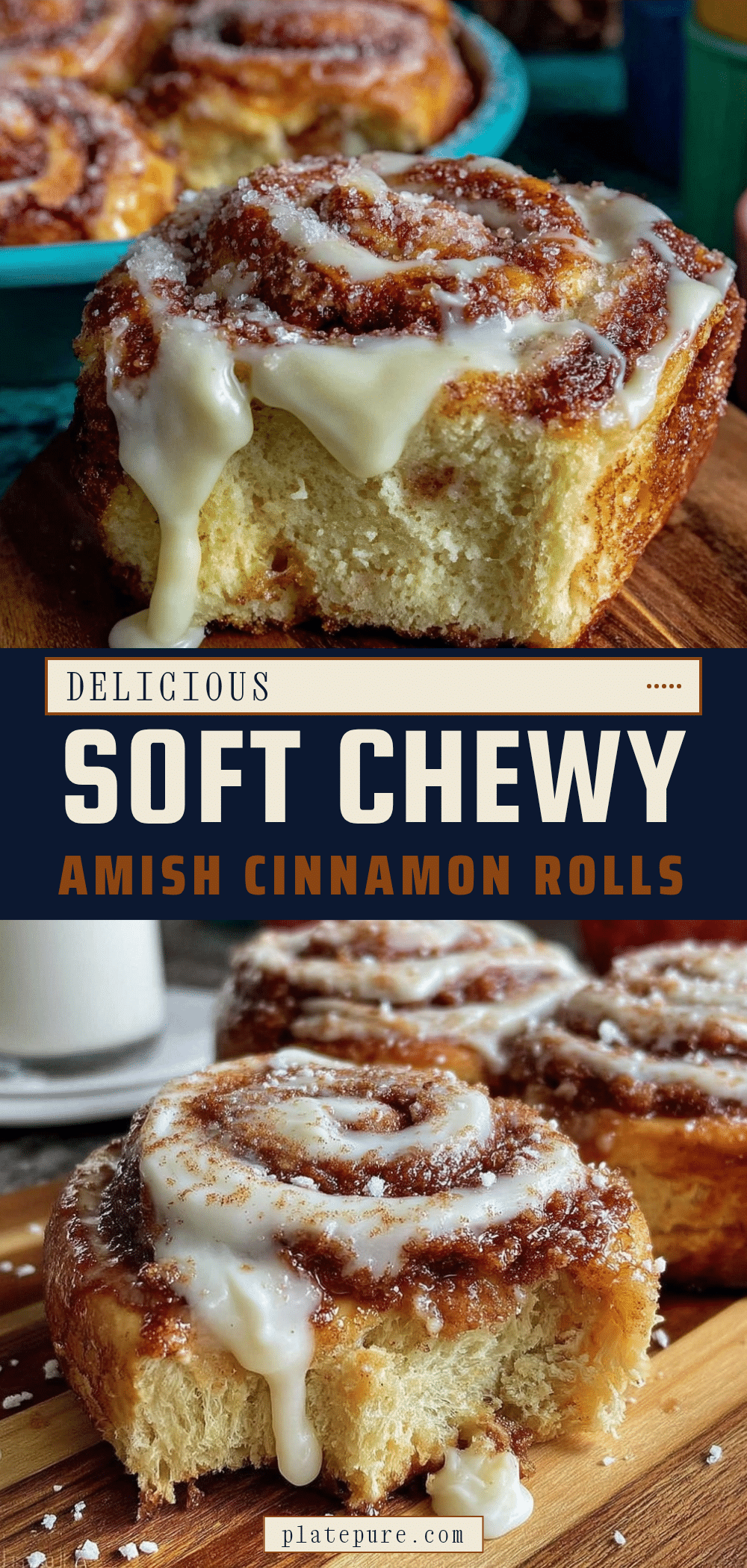
Best Amish Cinnamon Rolls: The Acid That Cuts Through
- Total Time: 2 hours 15 minutes
- Yield: 12 servings 1x
Description
Soft, pillowy Amish cinnamon rolls with a secret vinegar kick that balances the sweetness and richness, perfect for brunch or weekend treats.
Ingredients
- 4 1/2 cups All-Purpose Flour
- 2 1/4 tsp Instant Yeast (1 packet)
- 1/2 cup Granulated Sugar
- 1/2 cup Unsalted Butter, softened
- 1 1/2 cups Warm Milk
- 2 large Eggs, room temperature
- 1 tbsp Vinegar (Apple cider or white)
- 1 tsp Salt
- 1 cup Brown Sugar (for filling)
- 2 tbsp Cinnamon (for filling)
- 1/2 cup Melted Butter (for filling)
- 1 cup Powdered Sugar (for glaze)
- 2–3 tbsp Milk (for glaze)
- 1 tsp Vanilla Extract (for glaze)
- 1/2 tsp Vinegar (for glaze)
Instructions
- In a stand mixer bowl, combine warm milk, sugar, and vinegar. Sprinkle yeast on top and let sit for 5-10 minutes until foamy.
- Add softened butter, eggs, and salt to the yeast mixture. Mix on low speed, gradually adding flour one cup at a time. Switch to dough hook and mix on medium-low for 5-7 minutes until dough is smooth and pulls away from sides.
- Place dough in a greased bowl, cover, and let rise in a warm spot for 1-2 hours until doubled in size.
- While dough rises, mix brown sugar and cinnamon. Melt butter and preheat oven to 350°F (175°C).
- Punch down risen dough and roll into a 12×18 inch rectangle on a floured surface. Brush with melted butter and sprinkle cinnamon-sugar mixture evenly over the top.
- Tightly roll dough into a log, pinching the seam to seal. Cut into 12 equal rolls using dental floss or a serrated knife and place cut-side up in a greased 9×13 baking dish.
- Cover rolls and let rise for another 30 minutes until puffy.
- Bake for 25-30 minutes until golden brown. Tent with foil if browning too quickly.
- While rolls bake, whisk together powdered sugar, milk, vanilla, and vinegar to make the glaze.
- Let rolls cool for 5 minutes in the pan, then drizzle with glaze while still warm. Serve immediately.
Notes
The vinegar is the secret ingredient that tenderizes the gluten and adds a subtle tang to balance the sweetness. Ensure milk is warm (like a warm bath), not hot, to avoid killing the yeast. For best results, do not rush the second rise. Rolls can be made ahead by refrigerating after the second rise and baking the next morning.
- Prep Time: 45 minutes
- Cook Time: 30 minutes
- Category: Breakfast
- Cuisine: American
Nutrition
- Serving Size: 1 roll
- Calories: 350
- Sugar: 35
- Sodium: 300
- Fat: 12
- Saturated Fat: 7
- Carbohydrates: 55
- Fiber: 2
- Protein: 6
Keywords: Amish cinnamon rolls, brunch recipe, vinegar cinnamon rolls, homemade cinnamon rolls, easy yeast dough, southern brunch