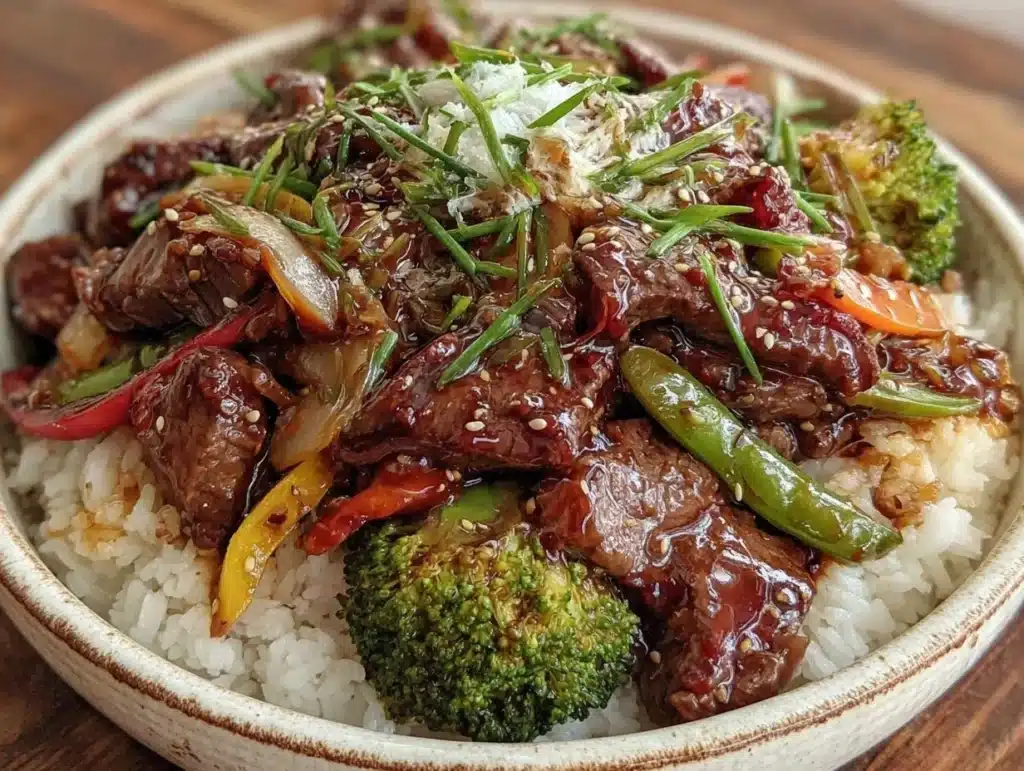
Stop staring at your clock. The week is half over, your energy is dipping, and the fridge is looking a little sad. You know that feeling. It’s 6:00 PM, you’re tired, and the idea of chopping vegetables for twenty minutes feels like a chore you didn’t sign up for. But then you remember this beef and veggie stir fry. It’s not just dinner. It’s a rescue mission.
I first fell hard for this specific version of stir fry during a particularly brutal Tuesday in November. The power flickered, the kids were hangry, and I had zero patience for complicated recipes. I threw together some beef, grabbed whatever crunchy veggies were left in the crisper drawer, and added a splash of quick-pickled ginger. That little hit of acidity? It changed everything. It woke up the meat. It made the vegetables sing. Honestly, it was the best meal I ate all week.
This isn’t that heavy, saucy, carb-coma stir fry you get at the takeout place. This is bright. It’s punchy. It’s got that tang that keeps every bite interesting from the first chop to the last grain of rice. I’ve made this over a dozen times now. Sometimes with zucchini, sometimes with snap peas. But the core idea stays the same: fast beef, crisp veggies, and a sauce that doesn’t drown the flavors. It’s perfect for busy families, for meal prep Sundays, or just when you need something fast but actually tastes like you tried.
Let’s face it, we all need a go-to weeknight hero. This beef and veggie stir fry is mine. It’s ready in under twenty minutes. It uses ingredients you probably already have. And that quick-pickle element? It adds a brightness that cuts through the richness of the beef. It’s the kind of recipe that makes you feel like a culinary genius without the stress. Grab your wok. Let’s get cooking.
Why You’ll Love This Recipe
There is a reason this stir fry has earned a permanent spot in my weekly rotation. It’s not just about speed, though getting dinner on the table in twenty minutes is a massive win. It’s about the balance. Most stir fries feel heavy. They’re loaded with sugar and thick cornstarch sludge. This one is different. It’s vibrant. It respects the ingredients. After testing this recipe with various cuts of beef and seasonal veggies, I’ve found that the key is high heat and a sharp finish.
Here is what makes this dish stand out from the crowd:
- Quick & Easy: You can have this from start to finish in under 20 minutes. It’s perfect for those nights when you want something hot and fresh but don’t have hours to spend in the kitchen.
- Simple Ingredients: No fancy grocery trips. You likely have soy sauce, ginger, garlic, and beef in your kitchen already. The veggies are whatever looks good at the store that day.
- Pickled Tang: This is the game-changer. Adding a quick pickle element (like ginger or radish) adds a zesty kick that lifts the entire dish. It’s the brightness you didn’t know you needed.
- Crowd-Pleaser: Kids usually love the tenderness of the beef, and adults appreciate the fresh crunch. It’s a safe bet for picky eaters and foodies alike.
- Unbelievably Delicious: The texture contrast between the seared beef and the crisp-tender veggies is next-level comfort food. It’s satisfying without being sluggish.
What makes this recipe truly special is that technique. Many people boil their beef. We don’t do that here. We sear it. We get a crust. And we finish it with a splash of acid. This isn’t just another stir fry. It’s your best version of one. It’s the kind of meal that makes you close your eyes after the first bite because the flavor is just that good. It’s comfort food reimagined—faster, lighter, but with that soul-soothing satisfaction you crave.
I also love how adaptable it is. If you want to swap in some crispy jalapeño popper egg rolls on the side for extra crunch, go for it. Or maybe you want to pair it with something lighter like a spicy mayo shrimp bowl for a seafood twist later in the week. But for Tuesday night? This beef stir fry is the star.
What Ingredients You Will Need
This recipe relies on fresh, high-quality components to deliver bold flavor without the fuss. The beauty of a stir fry is its flexibility. You can use what you have. But for the best results, quality matters. Especially with the beef. You want something that sears well and stays tender. The vegetables should be crisp and fresh. And the sauce needs to be balanced—savory, sweet, salty, and tangy.
Here is what you need to gather:
- Beef Sirloin or Flank Steak (1 lb / 450g): Slice against the grain. Sirloin is lean and flavorful. Flank steak is great if you like a bit more chew. Avoid stew meat; it won’t work here.
- Broccoli Florets (2 cups / 150g): Cut into bite-sized pieces. Fresh is best, but frozen works if you thaw and dry them well.
- Red Bell Pepper (1 large): Adds sweetness and color. Red peppers are sweeter than green ones, which balances the savory beef.
- Snap Peas or Snow Peas (1 cup / 60g): For that essential crunch. They cook fast, so add them late in the game.
- Carrots (2 medium): Julienned or thinly sliced. They add earthiness and a nice snap.
- Garlic (3 cloves): Minced fresh. Jarred garlic can taste metallic. Fresh is worth the extra thirty seconds.
- Fresh Ginger (1 inch piece): Grated or minced. This provides the aromatic punch that defines Asian-inspired cooking.
- Soy Sauce (3 tbsp / 45ml): Use low-sodium if you’re watching salt. I prefer Kikkoman for its consistent flavor profile.
- Rice Vinegar (1 tbsp / 15ml): This adds the necessary acidity. It’s milder than white vinegar, so it won’t overpower.
- Maple Syrup or Honey (1 tbsp / 15ml): To balance the saltiness. Maple syrup adds a deeper, richer note.
- Cornstarch (1 tsp / 5g): A little bit goes a long way in thickening the sauce. Don’t skip it.
- Sesame Oil (1 tsp / 5ml): Toasted sesame oil. Add this at the very end for aroma. Don’t use it for cooking.
- Vegetable Oil (2 tbsp / 30ml): For searing the beef. Needs a high smoke point.
- Quick-Pickled Ginger (Optional but recommended): Thinly sliced ginger marinated in rice vinegar and sugar for 10 minutes. Adds that signature tang.
If you are gluten-sensitive, swap the soy sauce for Tamari. For a dairy-free option, just ensure your sesame oil is pure. I often keep a jar of quick-pickled red onions in the fridge. If you run out of ginger, a dash of lime juice can provide that necessary zing. The key is to keep it simple and let the fresh ingredients shine.
Equipment Needed
You don’t need a professional kitchen to make this. But having the right tools helps. A wok is ideal because of its shape. It allows for high-heat cooking and easy tossing. If you don’t have one, a large cast-iron skillet or a non-stick frying pan works perfectly fine. The goal is to get a large surface area for searing.
You’ll also need a sharp knife. Dull knives are dangerous and make prep a nightmare. A chef’s knife is sufficient for chopping veggies and slicing beef. For mixing the sauce, a small bowl and a whisk are all you need. A wooden spoon or silicone spatula is best for stirring without scratching your pan. If you use a wok, a ladle helps with tossing. I’ve tried using tongs, but a spatula gives me better control over the veggies. Clean your equipment before you start. Mise en place is real, even for quick meals.
Preparation Method
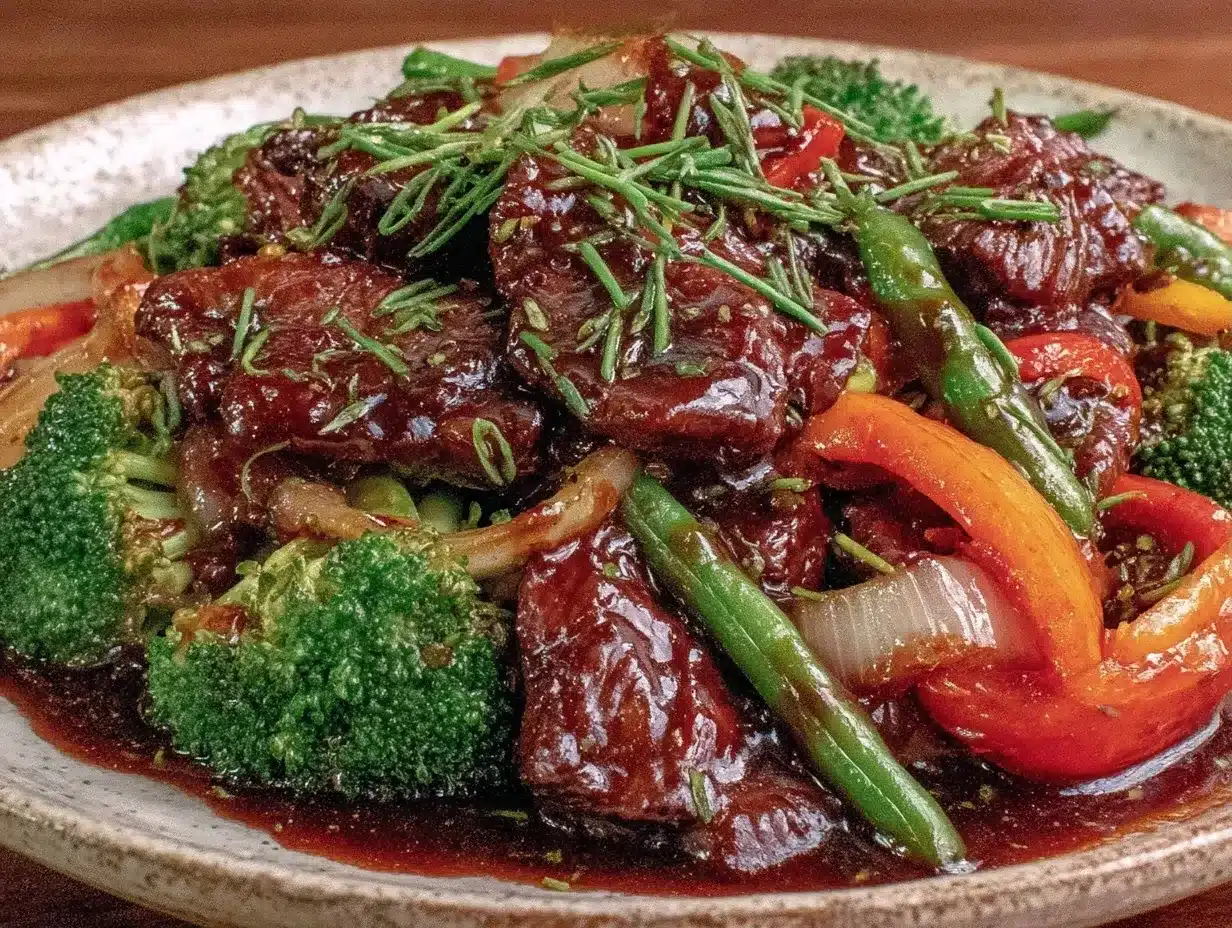
Let’s get into the nitty-gritty. This process is straightforward, but timing is everything. You want everything cooked at the same time. Here is how to do it right.
- Prep the Beef (5 minutes): Take your beef out of the fridge. Let it sit for 10 minutes to take the chill off. Pat it dry with paper towels. Moisture is the enemy of a good sear. Slice it thinly against the grain. This cuts the muscle fibers, making the meat tender. Toss the beef strips with 1 teaspoon of cornstarch and a pinch of salt. This helps create a velvety texture.
- Prep the Veggies (5 minutes): While the beef rests, chop your vegetables. Cut the broccoli into small florets. Slice the bell pepper into strips. Julienne the carrots. Keep the snap peas whole or halved. Mince the garlic and grate the ginger. Have everything ready in bowls. You don’t want to be chopping while the beef is cooking.
- Mix the Sauce (2 minutes): In a small bowl, whisk together the soy sauce, rice vinegar, maple syrup, remaining cornstarch, and a splash of water. Whisk until the cornstarch is fully dissolved. Set aside. The sauce should be thin before cooking; it will thicken in the pan.
- Sear the Beef (4 minutes): Heat your wok or skillet over high heat. Add the vegetable oil. Wait until it shimmers. Add the beef in a single layer. Do not overcrowd the pan. Cook for 1-2 minutes per side until browned. Remove beef to a plate. Do not cook it all the way through; it will finish cooking later.
- Stir Fry the Veggies (4 minutes): In the same pan, add a little more oil if needed. Add the carrots and broccoli first. They take longer to cook. Stir-fry for 2 minutes. Add the bell pepper and snap peas. Cook for another 2 minutes. You want them crisp-tender. Add the garlic and ginger in the last 30 seconds so they don’t burn.
- Combine and Finish (2 minutes): Return the beef to the pan. Pour the sauce over everything. Toss continuously for 1-2 minutes. The sauce will bubble and thicken quickly. It should coat the beef and veggies evenly. Remove from heat. Drizzle with toasted sesame oil. Toss one last time.
The whole process takes about 20 minutes. Watch the sauce closely. It goes from liquid to glaze in seconds. If it looks too thick, add a splash of water. If it’s too thin, cook it a bit longer. The goal is a glossy coating, not a soup.
Cooking Tips & Techniques
I’ve made plenty of mistakes in the kitchen, and stir fries are no exception. Here are some lessons learned the hard way.
High Heat is Key: Your pan needs to be hot. If it’s not, the beef will steam instead of sear. You want that Maillard reaction—the browning that creates flavor. Don’t be afraid of a little smoke. If you’re cooking in a small apartment, turn on the fan.
Don’t Crowd the Pan: This is the most common mistake. If you put too much beef in at once, the temperature drops. The meat releases water. It boils in its own juices. Slice beef in batches if you have to. It takes an extra minute, but the result is worth it.
Velveting Trick: The cornstarch coating on the beef isn’t just for the sauce. It protects the meat from the high heat, keeping it juicy. It’s a classic Chinese technique called “velveting.” It works every time.
Add Aromatics Late: Garlic and ginger burn easily. If you add them at the start, they turn bitter. Add them when the veggies are almost done. This preserves their fresh, spicy kick.
Use the Right Oil: Olive oil has a low smoke point and a strong flavor that doesn’t match Asian cuisine. Use vegetable, canola, or peanut oil. They can handle the heat and have neutral flavors.
Multitask Wisely: While the beef sears, don’t just stand there. Use that time to whisk the sauce or chop the next batch of veggies. Efficiency is what makes weeknight cooking possible.
Variations & Adaptations
This recipe is a template. Once you master the basics, you can play around. Here are a few ways to shake it up.
Protein Swap: Chicken breast or thigh works great. Shrimp is another excellent option. For vegetarians, use firm tofu. Press the tofu first to remove water. Pan-fry the tofu until crispy before adding the veggies.
Vegetable Changes: Use whatever is in season. Zucchini works well in summer. Mushrooms add umami year-round. Bok choy is a classic addition. I love adding bean sprouts at the very end for extra crunch. It reminds me of the creamy vegetable rice dish, but lighter.
Spicy Kick: Add a teaspoon of chili crisp or sriracha to the sauce. If you like heat, garnish with sliced jalapeños. This pairs well with the tangy elements.
Nut-Free Option: If you avoid nuts, skip the peanuts or cashews. The sesame oil provides enough richness. You can also use tahini for a different nutty flavor profile.
My Personal Twist: I often add a handful of edamame. It adds protein and a pop of green. It’s simple, but it makes the dish feel more complete. I also like to add a squeeze of lime juice at the end. It brightens everything up even more.
Serving & Storage Suggestions
Serve this stir fry hot. Immediately. It’s best over steamed jasmine rice or brown rice. The rice soaks up the delicious sauce. You can also serve it over cauliflower rice for a low-carb option. Garnish with chopped green onions and sesame seeds. It looks pretty and adds a mild onion flavor.
For storage, let the stir fry cool completely. Transfer it to an airtight container. It will keep in the refrigerator for up to 3 days. Reheat in a skillet over medium heat. Add a splash of water if it looks dry. The microwave works too, but the texture might soften. I prefer the skillet for better texture.
This dish actually tastes good cold, like a salad. Some people enjoy it that way for lunch. The flavors meld together overnight. The sauce gets richer. It’s a great meal prep option. Just keep the pickled ginger separate until you’re ready to eat. It keeps its crunch that way.
Nutritional Information & Benefits
This stir fry is a balanced meal. Beef provides high-quality protein and iron. The vegetables add fiber, vitamins A and C, and antioxidants. The sauce is moderate in sodium, so you can control that by using low-sodium soy sauce.
One serving (with rice) is approximately 450 calories. It has about 30g of protein, 15g of fat, and 40g of carbs. It’s not a diet food, but it’s not junk food either. It’s nourishing. The ginger aids digestion. The garlic supports immune health. It’s a meal that makes you feel good.
For those watching carbs, skip the rice or use shirataki noodles. The stir fry itself is naturally low-carb if you load up on veggies. It’s a flexible meal for various dietary needs. I find it’s a great way to sneak more veggies into my diet on busy nights.
Conclusion
This beef and veggie stir fry is more than just a recipe. It’s a solution. It’s for those nights when you need something fast, healthy, and delicious. It’s bright, tangy, and satisfying. I hope you try it. I hope you love it as much as I do. Make it your own. Add your favorite veggies. Change the protein. Find your own balance of flavors.
Don’t be afraid to experiment. Cooking should be fun, not stressful. This recipe is forgiving. It’s flexible. It’s perfect for beginners and experts alike. So grab your knife. Heat up your pan. And enjoy the process. Let me know how it turns out. Leave a comment below. Share your variations. Tag me in your photos. I love seeing what you create.
Here’s to good food and easy nights. Happy cooking!
Frequently Asked Questions
Can I use frozen vegetables?
Yes, you can. But make sure to thaw them and pat them dry first. Excess water will make the stir fry soggy. Fresh veggies are better for texture, but frozen is a good backup.
What cut of beef is best?
Sirloin and flank steak are the best choices. They are tender and flavorful. Strip steak also works well. Avoid tough cuts like chuck roast, which need slow cooking.
How do I make the sauce less salty?
Use low-sodium soy sauce. You can also add a little more water or rice vinegar to balance the saltiness. Taste as you go.
Can I make this ahead of time?
You can prep the ingredients ahead of time. Store the sliced beef and chopped veggies in separate containers. Cook when you’re ready. The sauce can be mixed and stored in the fridge for a day.
What can I serve with this stir fry?
Steamed rice is classic. Noodles work too. For a lighter side, try a simple green salad or some honey butter corn for a sweet contrast. It pairs well with many dishes.
Pin This Recipe!
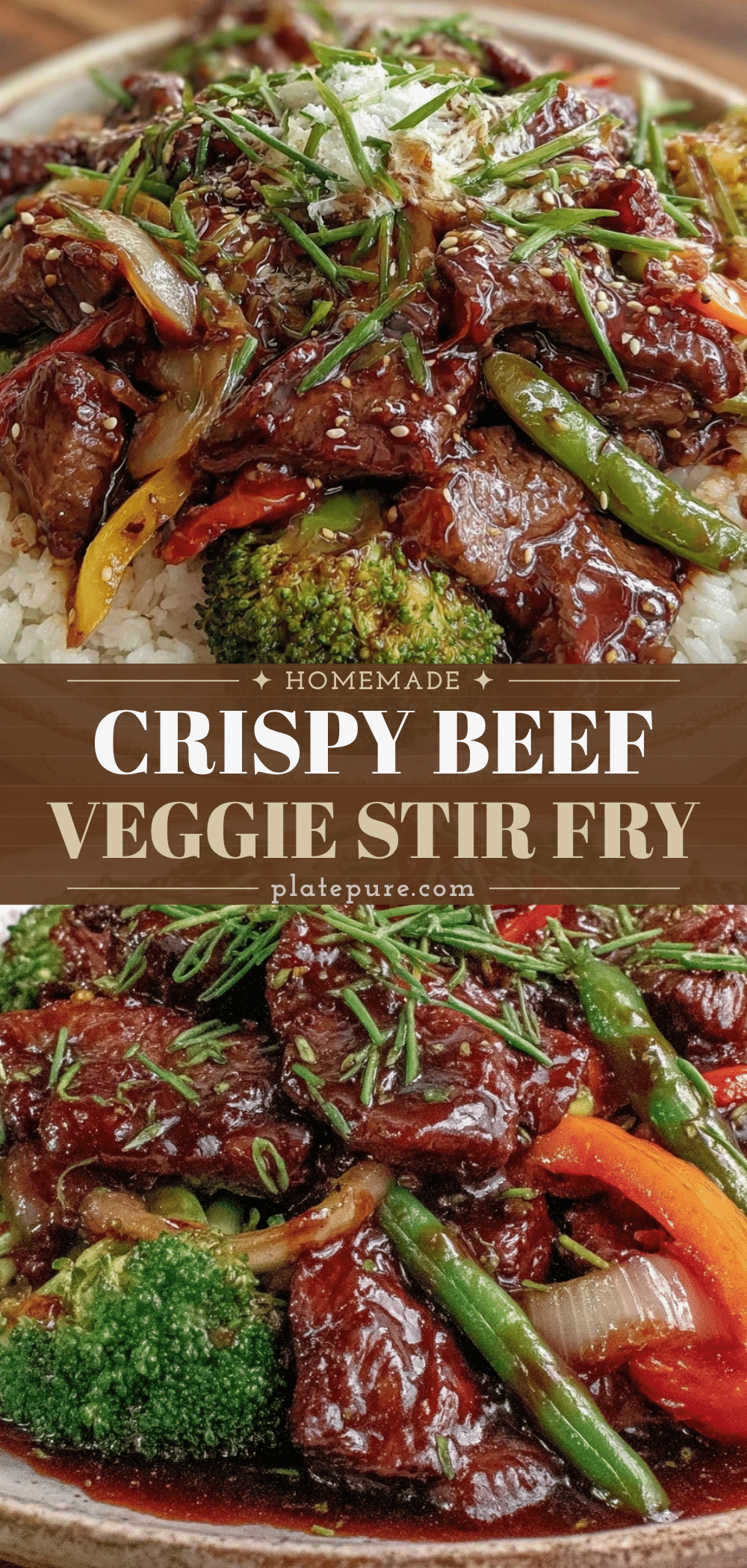

Beef And Veggie Stir Fry: Quick Pickled Tang
- Total Time: 20 minutes
- Yield: 4 servings 1x
Description
A quick, bright, and tangy beef and vegetable stir fry ready in under 20 minutes. This recipe features seared sirloin, crisp seasonal veggies, and a savory-sweet sauce finished with a zesty quick-pickled ginger element for a perfect weeknight meal.
Ingredients
- 1 lb (450g) Beef Sirloin or Flank Steak, sliced thinly against the grain
- 2 cups (150g) Broccoli Florets, bite-sized
- 1 large Red Bell Pepper, sliced into strips
- 1 cup (60g) Snap Peas or Snow Peas
- 2 medium Carrots, julienned or thinly sliced
- 3 cloves Garlic, minced
- 1 inch piece Fresh Ginger, grated or minced
- 3 tbsp (45ml) Soy Sauce (low-sodium recommended)
- 1 tbsp (15ml) Rice Vinegar
- 1 tbsp (15ml) Maple Syrup or Honey
- 1 tsp (5g) Cornstarch (divided)
- 1 tsp (5ml) Toasted Sesame Oil
- 2 tbsp (30ml) Vegetable Oil (for searing)
- Quick-Pickled Ginger (optional but recommended)
Instructions
- Prep the beef: Let beef sit for 10 minutes to take the chill off. Pat dry with paper towels. Slice thinly against the grain. Toss beef strips with 1 teaspoon of cornstarch and a pinch of salt.
- Prep the veggies: Chop broccoli, slice bell pepper, julienne carrots, and keep snap peas whole or halved. Mince garlic and grate ginger. Have all ingredients ready in bowls.
- Mix the sauce: In a small bowl, whisk together soy sauce, rice vinegar, maple syrup, remaining cornstarch, and a splash of water until cornstarch is dissolved.
- Sear the beef: Heat wok or skillet over high heat. Add vegetable oil. Once shimmering, add beef in a single layer (cook in batches if necessary). Cook 1-2 minutes per side until browned. Remove beef to a plate; do not cook through.
- Stir fry the veggies: In the same pan, add a little more oil if needed. Add carrots and broccoli; stir-fry for 2 minutes. Add bell pepper and snap peas; cook for another 2 minutes until crisp-tender. Add garlic and ginger in the last 30 seconds.
- Combine and finish: Return beef to the pan. Pour sauce over everything. Toss continuously for 1-2 minutes until sauce bubbles and thickens to a glossy coating. Remove from heat. Drizzle with toasted sesame oil and toss one last time.
- Serve immediately over steamed rice or cauliflower rice, garnished with green onions and sesame seeds.
Notes
High heat is essential for searing the beef and preventing it from steaming. Do not crowd the pan; cook beef in batches if necessary. Add aromatics (garlic/ginger) late to prevent burning. The cornstarch coating on the beef helps keep it tender (velveting). If the sauce is too thick, add a splash of water; if too thin, cook longer. Quick-pickled ginger adds a signature tang that cuts through the richness of the beef.
- Prep Time: 12 minutes
- Cook Time: 8 minutes
- Category: Main Course
- Cuisine: Asian
Nutrition
- Serving Size: 1 serving with rice
- Calories: 450
- Sugar: 12
- Sodium: 600
- Fat: 15
- Saturated Fat: 4
- Carbohydrates: 40
- Fiber: 4
- Protein: 30
Keywords: beef stir fry, quick dinner, weeknight meals, pickled ginger, healthy stir fry, high protein, gluten-free option, meal prep