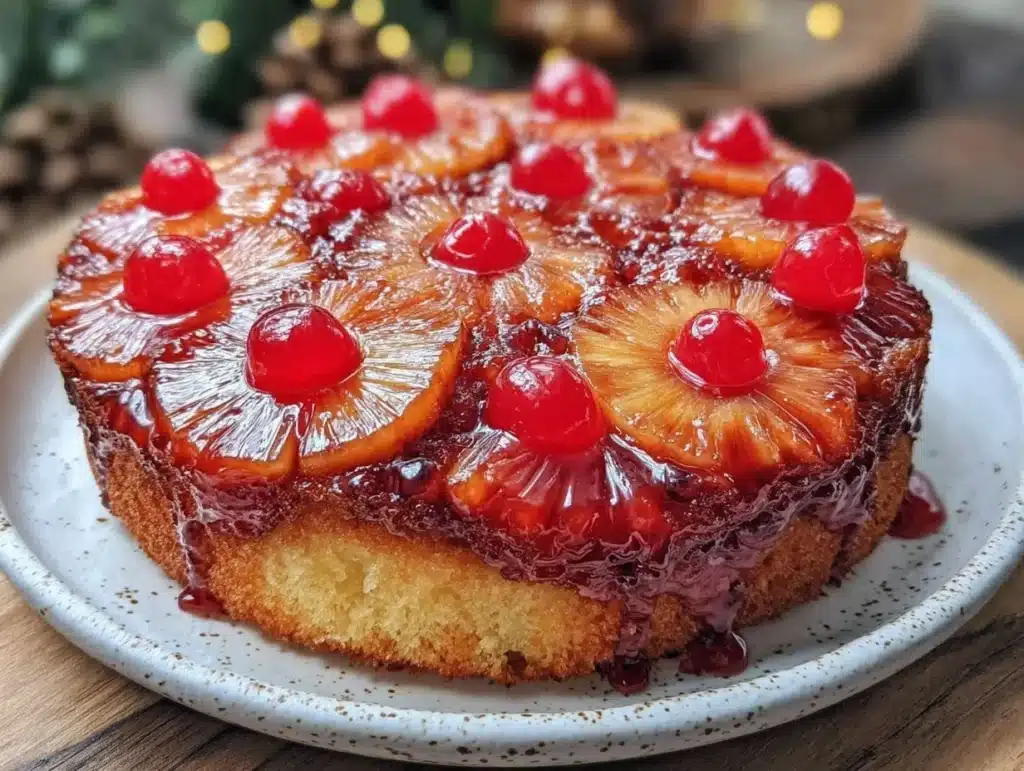
There is a specific moment when you flip the pan that changes everything. It’s that split second of suspended breath before you lift the cast iron skillet, revealing the glossy, caramelized fruit underneath. Honestly, I’ve always believed that dessert shouldn’t just be sweet—it needs to wake you up. That’s why this Classic Pineapple Upside Down Cake is my go-to for any gathering. It’s not just a nostalgic throwback; it’s a masterclass in balancing sugar with brightness.
I first fell in love with this cake during a humid summer barbecue back in college. My aunt made it, but she added a splash of rum and a hint of lemon zest to the caramel. That acidic kick cut through the heavy butter and sugar in a way I’d never experienced. It wasn’t cloying. It was vibrant. Since then, I’ve tested this recipe over a dozen times, tweaking the ratios until the texture was perfectly moist and the flavor profile had that necessary punch.
Let’s face it, most pineapple cakes are just sweet bread with fruit on top. This version is different. The acid that cuts through and balances it all comes from the natural tartness of the pineapple rings and a secret ingredient I’ll share later. Whether you are a seasoned baker or just want to impress your in-laws, this recipe delivers. It’s reliable, it’s dramatic, and it tastes like sunshine. Plus, it pairs beautifully if you’re serving it alongside other bold dishes like honey butter corn for a complete meal. You’ll love how easy it is to pull together.
Why You’ll Love This Recipe
I’ve spent years in the kitchen, testing countless dessert recipes, and this one stands out for reasons beyond its iconic appearance. It’s not just about the visual appeal of those golden-brown pineapple rings; it’s about the complexity of flavor. Most people think pineapple cake is simple, but when you get the caramel right, it becomes something else entirely. This recipe is the result of trial, error, and a lot of tasting. I wanted a cake that wasn’t just a sugar bomb, but one with depth.
- Quick & Easy: Despite its fancy look, this comes together in under 45 minutes of active time. You don’t need to whip egg whites to stiff peaks or temper chocolate. It’s a one-bowl batter method that saves you from washing a dozen dishes.
- Simple Ingredients: You likely already have most of this in your pantry. Flour, sugar, butter, eggs, and pineapple. No weird extracts or hard-to-find spices. It’s wholesome and straightforward.
- Perfect for Entertaining: This is the ultimate make-ahead dessert. You can prep the caramel and arrange the fruit the night before. When guests arrive, you just mix the batter and bake. It takes the stress out of hosting.
- Crowd-Pleaser: Kids love the fruit, and adults appreciate the sophisticated caramel flavor. It bridges the gap between a casual snack and a formal dessert.
- Unbelievably Delicious: The texture is the star here. The bottom becomes a soft, chewy caramel layer, while the cake remains light and airy. It’s comfort food with a twist.
What makes this recipe truly special is the balance. I’ve added a touch of brown sugar to the caramel to give it a deeper molasses note, which contrasts beautifully with the bright acidity of the pineapple. It’s that acid that cuts through and balances it all, preventing the dessert from feeling too heavy. It’s the kind of cake that makes you close your eyes after the first bite because the flavor is just so satisfying. It’s not just sweet; it’s complex.
What Ingredients You Will Need
This recipe relies on high-quality, simple ingredients to build layers of flavor. The key is freshness, especially with the fruit. Since the pineapple is the star of the show, its quality dictates the success of the entire dish. We are using canned pineapple rings here for consistency, but you can certainly use fresh if you’re in season. The caramel base requires careful attention to color, so using the right type of sugar is crucial.
- Pineapple Rings: Use 8 to 10 rings from a 20-ounce can. Drain them well. The acidity of the pineapple helps cut the richness of the butter and sugar. Look for rings that are uniform in size for a pretty presentation.
- Maraschino Cherries: One cherry per pineapple ring. These add a pop of color and a classic sweet-tart flavor that complements the citrus notes. If you want a more sophisticated touch, swap these for orange zest.
- Unsalted Butter: You’ll need one cup (2 sticks), softened. Butter provides the rich, creamy base for the caramel. Using unsalted allows you to control the sodium level in the final cake.
- Light Brown Sugar: One cup, packed. Brown sugar adds moisture and a hint of molasses. Dark brown sugar works too, but light brown keeps the flavor balanced and not too overpowering. I recommend using a brand like Domino for consistent texture.
- All-Purpose Flour: One and a half cups. This provides the structure for the cake. Don’t substitute with cake flour unless you want a denser result. All-purpose gives that perfect tender crumb.
- Granulated Sugar: One cup. This sweetens the batter and helps create the light, fluffy texture when creamed with the butter.
- Eggs: Three large eggs, room temperature. Room temperature eggs emulsify better with the butter and sugar, creating a smoother batter. This is non-negotiable for a fine texture.
- Milk: Half a cup of whole milk. Whole milk adds richness and tenderness. You can substitute with buttermilk for a tangier flavor profile, which enhances the pineapple.
- Vanilla Extract: Two teaspoons. Use pure vanilla, not imitation. It rounds out the flavors and adds warmth.
- Baking Powder & Salt: One teaspoon of baking powder and half a teaspoon of salt. The salt is vital to balance the sweetness. Don’t skip it.
How do I choose the best pineapple?
While canned is convenient, if you use fresh pineapple, make sure it’s ripe but firm. Overripe pineapple can make the cake soggy. If using canned, drain the rings on paper towels to remove excess syrup. This prevents the bottom from becoming too wet during baking.
Equipment Needed
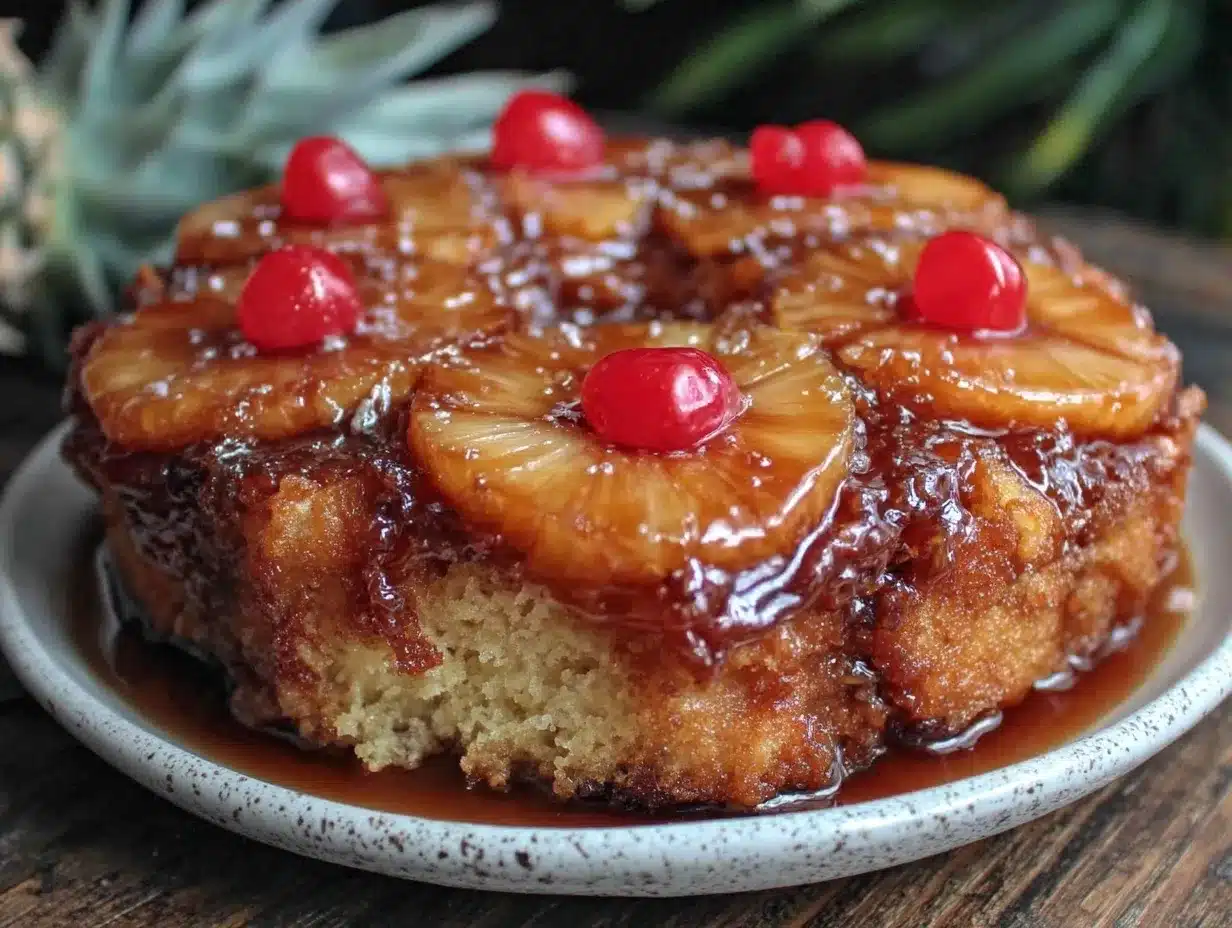
You don’t need a fancy kitchen to make this cake. The most important tool is a 9-inch round cake pan. Ideally, use a heavy-bottomed aluminum or cast iron pan. These materials distribute heat evenly, which is crucial for creating that perfect caramel layer without burning it. A non-stick pan works, but you might need to grease it more thoroughly to ensure the cake releases easily.
You’ll also need a medium mixing bowl for the batter and a small saucepan or just use the pan itself to melt the butter and sugar. A whisk is essential for combining the dry ingredients and incorporating the eggs into the batter. A rubber spatula will help you scrape the sides of the bowl to ensure everything is mixed evenly. If you’re using a stand mixer, you can use the paddle attachment, but hand mixing gives you more control over the texture.
Don’t forget a cooling rack. You need to let the cake cool in the pan for about 10 minutes before flipping. If you wait too long, the caramel hardens and sticks. If you flip it too soon, the cake might break. A wire rack allows air to circulate, preventing the bottom from getting soggy. For budget-friendly options, any standard 9-inch metal pan will do. Avoid glass pans as they heat up slower and can lead to uneven baking.
Preparation Method
Let’s get this baked. The process is straightforward, but precision matters, especially with the caramel. Here is how you make it perfectly every time.
- Preheat and Prep: Preheat your oven to 350°F (175°C). This is the standard temperature for even baking. Grease your 9-inch round cake pan with a little butter. This ensures the caramel doesn’t stick to the sides during the flip.
- Make the Caramel: In your cake pan, melt the butter over medium heat. If you’re using a stovetop-safe pan, do this directly on the burner. Once melted, stir in the brown sugar. Cook this mixture for about 2-3 minutes, stirring constantly. You want the sugar to dissolve and the mixture to bubble. It will look like thick syrup. Be careful not to burn it. It should be a light amber color.
- Arrange the Fruit: Immediately remove the pan from heat. Arrange the pineapple rings in a single layer over the caramel. Place a cherry in the center of each ring. Work quickly because the caramel will start to set as it cools. Press the rings gently into the syrup so they stick.
- Mix Dry Ingredients: In a medium bowl, whisk together the flour, baking powder, and salt. This ensures the leavening agent is distributed evenly, preventing lumps in your cake.
- Cream Butter and Sugar: In a large bowl, beat the softened butter and granulated sugar together until light and fluffy. This takes about 3-4 minutes. This step incorporates air, which makes the cake rise properly. If you skip this, the cake will be dense.
- Add Eggs and Vanilla: Add the eggs one at a time, beating well after each addition. Mix in the vanilla extract. The mixture might look slightly curdled at this point; that’s normal. Keep mixing until it’s smooth.
- Combine Wet and Dry: Add the dry ingredients to the wet mixture in three parts, alternating with the milk. Start and end with the dry ingredients. Mix on low speed just until combined. Do not overmix! Overmixing develops gluten, which makes the cake tough. Stop as soon as you see no more flour streaks.
- Bake: Pour the batter evenly over the pineapple rings. Use a spatula to smooth the top. Bake for 35-40 minutes. The cake is done when a toothpick inserted into the center comes out clean. The top should be golden brown.
- Cool and Flip: Remove the cake from the oven and let it cool in the pan for 10 minutes. This is the critical step. Wait too long, and the caramel hardens. After 10 minutes, place a large serving plate over the pan. Using oven mitts, firmly hold the plate and pan together and flip them over in one swift motion. Gently lift the pan. If some pineapple sticks, just push it back into place. Let it cool completely before slicing.
What if the caramel burns?
If you see dark smoke or smell a bitter scent, start over. Burnt sugar cannot be fixed. It’s better to have a slightly lighter caramel than a burnt one. Keep a close eye on the pan during the melting stage.
Cooking Tips & Techniques
I’ve made my share of mistakes with this cake, so you don’t have to. The biggest error people make is letting the caramel cool too much before arranging the fruit. Once the butter-sugar mixture starts to thicken, it becomes difficult to spread the fruit evenly. If you’re using a non-stovetop pan, melt the butter and sugar in a saucepan first, then pour it into the cake pan before it sets.
Another common issue is the cake sticking. To prevent this, ensure your pan is well-greased. If you’re using a cast iron skillet, make sure it’s seasoned properly. Also, the 10-minute cooling window is strict. If you’re running late, you can let it cool for 15 minutes, but you’ll need to reheat the bottom of the pan gently over low heat for a few seconds to soften the caramel before flipping. I’ve done this when I got distracted by the doorbell, and it saved the cake.
For consistency, use room temperature ingredients. Cold eggs can cause the butter to seize up when added, leading to a curdled batter. This doesn’t affect safety, but it can impact the texture. If your batter looks separated, just add a spoonful of flour and mix gently to bring it back together. It happens sometimes, and it’s fine.
Timing is everything. Ovens vary, so start checking the cake at 30 minutes. If the top is browning too quickly, tent it with aluminum foil. This allows the center to cook without burning the surface. The acid in the pineapple can sometimes cause uneven browning, so keep an eye on it.
Variations & Adaptations
While the classic version is timeless, there are plenty of ways to tweak this recipe to suit your taste or dietary needs. I love experimenting with flavors, and this cake is a great canvas.
- Rum-Soaked Pineapple: Soak the pineapple rings in dark rum for 30 minutes before arranging them. This adds a sophisticated, adult flavor that pairs well with the caramel. It’s a game-changer for holiday dinners.
- Coconut Twist: Replace half the milk with coconut milk and add shredded coconut to the batter. Use coconut sugar instead of brown sugar for a tropical vibe. This pairs nicely with mexican street corn chicken salad if you’re serving a larger meal.
- Gluten-Free Option: Use a 1:1 gluten-free flour blend. Make sure it contains xanthan gum, or add half a teaspoon to the dry ingredients. The texture will be slightly denser, but still delicious.
- Berry Swap: If pineapples aren’t your thing, try swapping them with sliced peaches or apricots. The acid that cuts through and balances it all still works with stone fruits. Just adjust the baking time slightly, as peaches release more juice.
- Vegan Version: Use vegan butter and flax eggs (one tablespoon ground flaxseed mixed with three tablespoons water per egg). Use maple syrup instead of brown sugar for a different flavor profile.
I personally love adding a pinch of cardamom to the batter. It adds a floral, spicy note that complements the pineapple beautifully. It’s a subtle change, but it makes the cake feel special and unique.
Serving & Storage Suggestions
This cake is best served at room temperature. The caramel softens and becomes chewy, which is the ideal texture. You can serve it with a dollop of whipped cream or a scoop of vanilla ice cream. The cold cream contrasts nicely with the warm cake. For a brighter finish, add a sprinkle of lemon zest or a drizzle of citrus glaze. The acid that cuts through and balances it all is enhanced by this final touch.
Store leftovers in an airtight container at room temperature for up to two days. The caramel keeps the cake moist, so it doesn’t need refrigeration. If you live in a hot climate, refrigerate it, but let it come to room temperature before serving. The cake can also be frozen. Wrap individual slices tightly in plastic wrap and foil. It will last for up to three months in the freezer.
To reheat, thaw the slice at room temperature and warm it in the microwave for 20-30 seconds. This softens the caramel and makes the cake feel fresh-baked. The flavors actually develop over time, so it often tastes even better the next day. Just make sure to cover it well to prevent it from drying out.
Nutritional Information & Benefits
This cake is a treat, but it’s not without its merits. Pineapple contains bromelain, an enzyme that aids digestion. The vitamins in the fruit, like Vitamin C, add a nutritional boost. However, the high sugar and butter content mean this should be enjoyed in moderation. Each slice contains approximately 450 calories, with significant carbs and fats.
For those watching their sugar intake, you can reduce the granulated sugar by a quarter cup, though the caramel might be less sweet. The cake is not gluten-free unless you use alternative flours. It contains dairy and eggs, so it’s not suitable for vegans or those with specific allergies. I always recommend balancing this rich dessert with lighter, acidic sides or beverages to aid digestion and balance the meal.
Conclusion
Making a Classic Pineapple Upside Down Cake is more than just baking; it’s about creating a moment. It’s about the smell of caramel filling your kitchen and the joy of flipping the pan to reveal that glossy, golden fruit. This recipe is reliable, delicious, and always a crowd-pleaser. I encourage you to try it and make it your own. Add your favorite spices, swap the fruit, or serve it with your favorite drink. It’s a versatile recipe that rewards creativity.
I love this cake because it brings people together. It’s nostalgic yet fresh, sweet yet bright. It’s the kind of dessert that sparks conversation and leaves everyone asking for the recipe. So, grab your pan, preheat your oven, and give it a try. You won’t regret it. Once you’ve mastered this, check out my hawaiian garlic shrimp for a main course that complements the tropical vibe. Happy baking!
FAQs
Can I use fresh pineapple instead of canned?
Yes, you can. Use about 2-3 cups of sliced fresh pineapple. You may need to cook the slices briefly to soften them before arranging them in the pan. Canned rings are easier because they are pre-sliced and uniform, but fresh works well if you take the extra time.
Why did my cake stick to the pan?
This usually happens if the caramel was allowed to cool and harden before the batter was added, or if the pan wasn’t greased properly. Also, flipping the cake too soon can cause it to break. Ensure you wait the full 10 minutes and use a firm, swift flipping motion.
Can I make this cake ahead of time?
Absolutely. You can prepare the caramel and arrange the fruit up to 24 hours in advance. Cover the pan tightly with plastic wrap and refrigerate. When ready to bake, let the pan come to room temperature before adding the batter.
How do I store leftovers?
Store the cake in an airtight container at room temperature for up to two days. In hot weather, refrigerate it. It can also be frozen for up to three months. Thaw at room temperature before serving.
What is the secret to the best caramel?
The secret is patience. Melt the butter and sugar slowly over medium heat. Stir constantly until the sugar dissolves and the mixture turns a light amber color. Do not rush this step, or the sugar will burn and taste bitter.
Pin This Recipe!
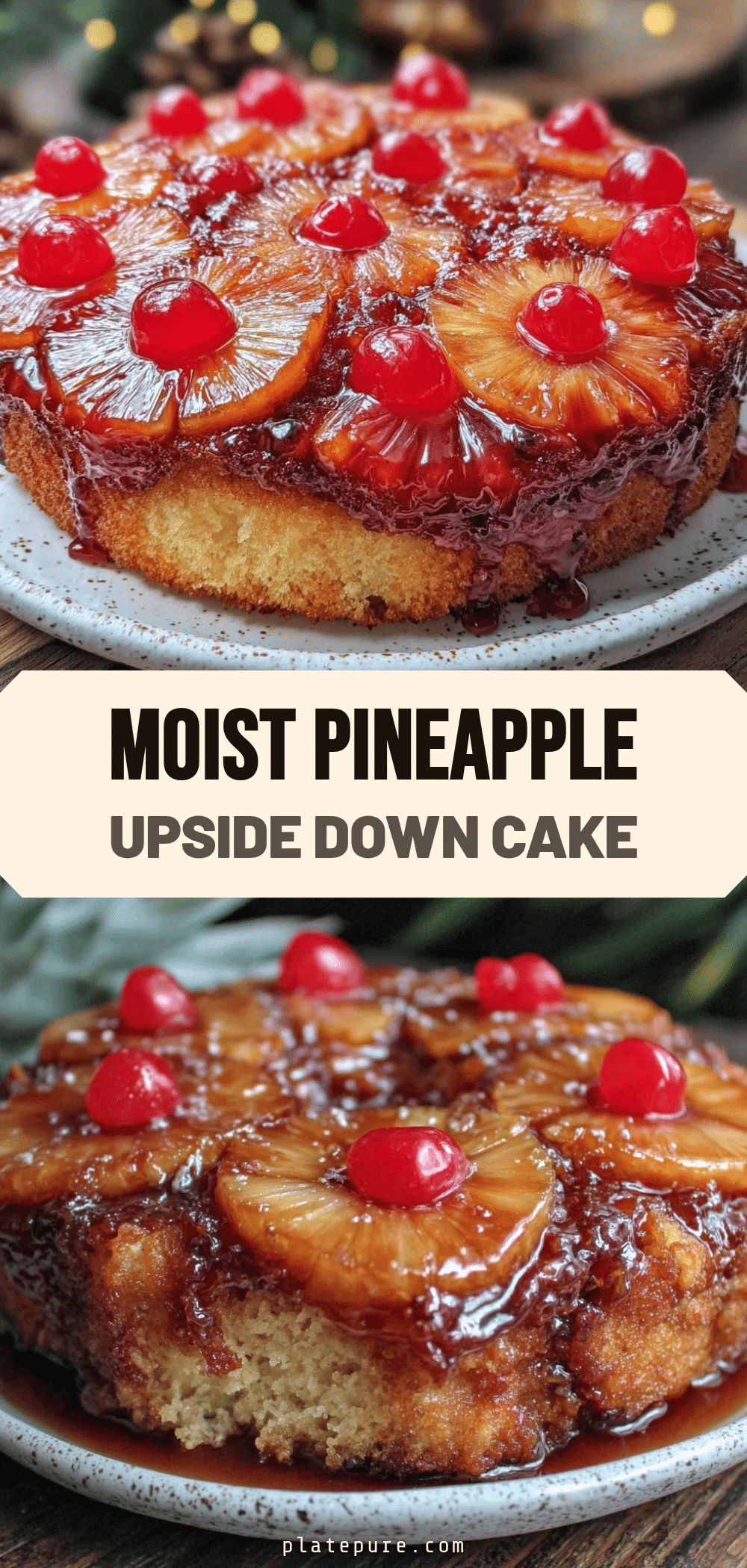

Classic Pineapple Upside Down Cake
- Total Time: 55 minutes
- Yield: 8 servings 1x
Description
A nostalgic yet vibrant dessert featuring glossy, caramelized pineapple rings and maraschino cherries atop a moist, buttery cake. This recipe balances sweetness with the bright acidity of pineapple for a complex flavor profile.
Ingredients
- 8–10 pineapple rings (from a 20-ounce can), drained well
- 1 maraschino cherry per pineapple ring
- 1 cup (2 sticks) unsalted butter, softened
- 1 cup light brown sugar, packed
- 1 1/2 cups all-purpose flour
- 1 cup granulated sugar
- 3 large eggs, room temperature
- 1/2 cup whole milk
- 2 teaspoons pure vanilla extract
- 1 teaspoon baking powder
- 1/2 teaspoon salt
Instructions
- Preheat oven to 350°F (175°C). Grease a 9-inch round cake pan with butter.
- In the cake pan, melt butter over medium heat. Stir in brown sugar and cook for 2-3 minutes, stirring constantly, until the mixture bubbles and turns light amber.
- Remove pan from heat. Immediately arrange pineapple rings in a single layer over the caramel and place a cherry in the center of each ring. Press gently to stick.
- In a medium bowl, whisk together flour, baking powder, and salt.
- In a large bowl, beat softened butter and granulated sugar until light and fluffy (3-4 minutes).
- Add eggs one at a time, beating well after each addition. Mix in vanilla extract.
- Add dry ingredients to wet mixture in three parts, alternating with milk. Start and end with dry ingredients. Mix on low speed just until combined; do not overmix.
- Pour batter evenly over pineapple rings and smooth the top.
- Bake for 35-40 minutes, or until a toothpick inserted into the center comes out clean.
- Cool in the pan for 10 minutes. Place a large serving plate over the pan and flip firmly in one swift motion. Lift pan off and let cool completely before slicing.
Notes
Ensure pineapple rings are drained well to prevent a soggy bottom. Use room temperature eggs for better emulsification. Do not overmix the batter to avoid a tough texture. If the caramel burns, start over as burnt sugar cannot be fixed. The cake is best served at room temperature.
- Prep Time: 15 minutes
- Cook Time: 40 minutes
- Category: Dessert
- Cuisine: American
Nutrition
- Serving Size: 1 slice
- Calories: 450
- Sugar: 50
- Sodium: 250
- Fat: 22
- Saturated Fat: 13
- Carbohydrates: 65
- Fiber: 1
- Protein: 4
Keywords: pineapple upside down cake, caramel cake, dessert recipe, easy baking, classic cake, fruit cake