Let’s face it, mac and cheese has a reputation. It’s usually the heavy, sluggish dish that leaves you feeling like you need a nap before you can even stand up. I used to think that if it wasn’t drowning in processed cheese powder and heavy cream, it wasn’t “real” mac and cheese. I was wrong. I was bored. Honestly, I was just lazy.
The story of this one pot healthy mac and cheese starts with a Tuesday night disaster. I had just come home from work, my feet were throbbing, and the only thing that sounded appealing was something warm and cheesy. But I also had a goal to eat more vegetables and less processed junk. So, I grabbed a pot, some cauliflower, and a blender. I didn’t expect much. I expected a sad, pale sludge.
What I got was a shock. The sauce was bright. It had a punch of lemon and mustard that woke up my palate in a way heavy cream never could. It wasn’t just “diet food.” It was delicious. It was vibrant. It was the kind of meal that made me forget I was eating a hidden vegetable. That night changed how I cook comfort food. I realized you don’t need to sacrifice flavor for health. You just need to use acid.
This recipe is built to snap your taste buds back to attention. It uses simple ingredients you probably already have, but it transforms them into something creamy, tangy, and deeply satisfying. If you’ve been looking for a way to enjoy mac and cheese without the guilt, this is it. It’s quick, it’s easy, and it’s honestly the best thing I’ve made in a pot all year.
Why You’ll Love This Recipe
There are a million mac and cheese recipes out there. Most of them are just variations on the same theme: butter, flour, milk, cheese, and a long wait time. This one is different because it respects your time and your health. I’ve tested this over a dozen times, tweaking the ratios of cauliflower to pasta until I found the perfect balance. It’s not about hiding the veggies; it’s about letting their natural sweetness shine through the sauce.
Here is why this recipe earns a permanent spot in your weekly rotation:
* **Quick & Easy:** You only have one pot to clean. Seriously. The pasta cooks in the sauce, and the sauce blends in the same pot. It comes together in under 30 minutes, which is perfect for those busy weeknights when you’re tired and just want to eat.
* **Simple Ingredients:** No fancy grocery trips needed. You likely already have cauliflower, nutritional yeast, or a simple cheddar in your kitchen. It’s wholesome, recognizable food that doesn’t require a chemistry degree to understand.
* **Perfect for Busy Families:** My kids used to complain about anything green. But when this is blended smooth and tastes like classic mac and cheese, they don’t even notice. It’s a stealth health win that keeps everyone happy.
* **Crowd-Pleaser:** It gets rave reviews from adults who think they hate cauliflower. The texture is silky, not grainy, and the flavor is bold enough to stand on its own.
* **Unbelievably Delicious:** The secret is the acid. A splash of lemon juice or a dash of mustard cuts through the richness and makes every bite pop. It’s comfort food reimagined—healthier, faster, but with the same soul-soothing satisfaction.
This isn’t just another version. It’s my best version. It taps into that feeling of closing your eyes after the first bite and knowing you did good by your body. It’s the kind of meal that makes a simple dinner feel special without the stress of complicated techniques.
What Ingredients You Will Need
This recipe uses simple, wholesome ingredients to deliver bold flavor and satisfying texture without the fuss. The key here is balancing the creaminess of the sauce with the acidity to keep it bright. You don’t need a pantry full of weird health food items. Just good, fresh basics.
* **Cauliflower:** This is the star of the show. Use fresh cauliflower florets or frozen riced cauliflower. Fresh gives a slightly firmer texture, while frozen blends faster. I prefer fresh because it has a brighter flavor.
* **Pasta:** Small shapes work best. Elbows, shells, or cavatappi hold the sauce well. Use whole wheat or chickpea pasta for extra fiber and protein if you want to boost the health factor.
* **Nutritional Yeast:** This is a game-changer. It adds a cheesy, nutty flavor without the dairy. It’s a staple in my kitchen, especially when I’m trying to keep things lighter.
* **Garlic:** Fresh garlic cloves are essential. Minced garlic adds a savory depth that powder just can’t match. Don’t skip this.
* **Onion:** A small yellow onion or half a white onion adds sweetness and body to the sauce. Sauté it with the garlic for best results.
* **Vegetable Broth:** Use low-sodium vegetable broth to cook the pasta. It adds flavor to the starch and the sauce simultaneously.
* **Lemon Juice:** Freshly squeezed lemon juice is non-negotiable. It provides the “snap” that wakes up the dish. Bottled juice lacks that fresh, vibrant punch.
* **Dijon Mustard:** A teaspoon of Dijon adds complexity and tang. It enhances the cheesy flavor without making the dish taste like mustard.
* **Salt and Pepper:** To taste. Sea salt works best for even distribution.
* **Olive Oil:** A small amount for sautéing the aromatics. Extra virgin olive oil adds a nice fruity note.
* **Cheddar Cheese (Optional):** If you want a traditional cheesy kick, add a quarter cup of sharp cheddar at the end. It melts beautifully into the warm sauce.
I recommend using a high-quality vegetable broth because it’s the base of your sauce. If you’re watching sodium, choose a low-sodium version and adjust your salt later. For the cauliflower, look for tight, white florets that feel heavy for their size. Avoid any that have brown spots or smell sour.
Equipment Needed
You don’t need much for this recipe, which is part of the magic. Here is what you’ll need to get started.
* **Large Pot with Lid:** A 6-quart pot is ideal. It needs to be large enough to hold the pasta, cauliflower, and broth without boiling over. A tight-fitting lid helps the pasta cook evenly.
* **Immersion Blender or Standard Blender:** An immersion blender is convenient because you can blend the sauce right in the pot. If you use a standard blender, let the mixture cool slightly before blending to avoid steam burns.
* **Colander:** For draining the pasta if you choose to cook it separately. However, the one-pot method minimizes cleanup.
* **Measuring Cups and Spoons:** Precision helps, especially with the liquid ratios.
* **Knife and Cutting Board:** For chopping the cauliflower and onions.
I used to struggle with blending hot liquids in a regular blender, so I switched to an immersion blender. It’s a lifesaver. If you don’t have one, just be careful with the lid when using a standard blender. Place a towel over the vent to catch steam.
Preparation Method
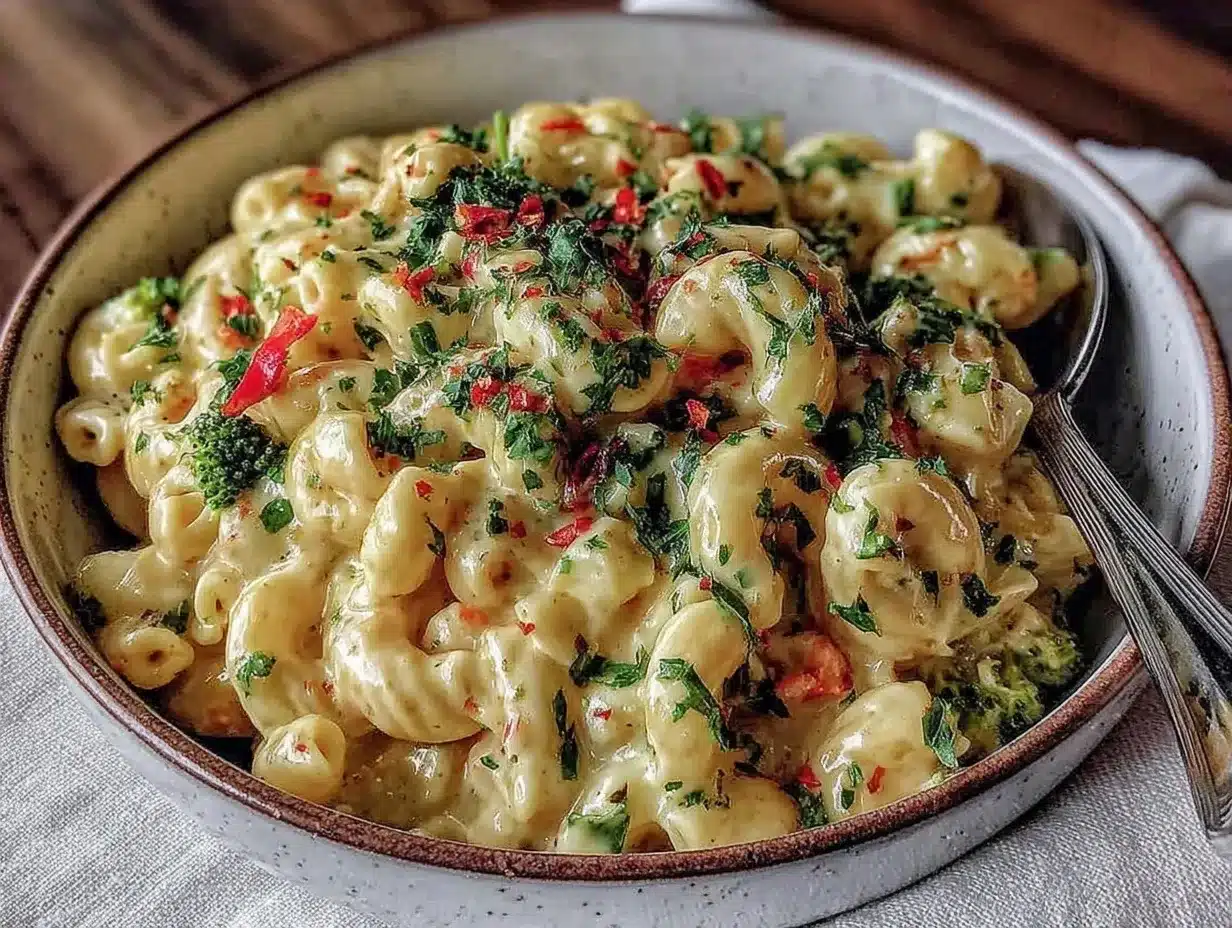
Let’s get cooking. This process is straightforward, but attention to detail makes the difference between good and great.
1. **Prep the Vegetables:** Cut the cauliflower into small florets. You want them small so they cook quickly and blend smoothly. Chop the onion and mince the garlic. Set these aside.
2. **Sauté the Aromatics:** Heat the olive oil in your large pot over medium heat. Add the chopped onion and a pinch of salt. Cook for about 3-4 minutes until the onion is translucent. Add the garlic and cook for another minute, stirring constantly to prevent burning. The smell should be fragrant and inviting.
3. **Add the Cauliflower and Broth:** Add the cauliflower florets to the pot. Pour in the vegetable broth. The liquid should just barely cover the vegetables. If you have leftover broth, save it for later.
4. **Cook the Pasta:** Add the dry pasta to the pot. Stir well to ensure everything is submerged. Bring the mixture to a boil. Once boiling, reduce the heat to low, cover with the lid, and let it simmer.
5. **Simmer and Stir:** Cook for about 10-12 minutes, stirring occasionally. The pasta and cauliflower should be tender. If the liquid absorbs too quickly before the pasta is done, add a splash more broth or water. The pasta should be al dente, meaning it still has a slight bite.
6. **Blend the Sauce:** Remove the pot from the heat. Let it cool for 2-3 minutes. Using an immersion blender, blend the mixture directly in the pot until smooth. If using a standard blender, transfer the mixture in batches and blend until silky smooth.
7. **Season and Finish:** Taste the sauce. Add the nutritional yeast, lemon juice, Dijon mustard, salt, and pepper. Blend again briefly to combine. If you’re adding cheddar cheese, stir it in now while the sauce is hot so it melts.
8. **Serve:** Ladle the mac and cheese into bowls. Top with fresh herbs like parsley or chives if you have them. Enjoy immediately while it’s warm and creamy.
Pro Tip: If the sauce is too thick after blending, add a splash of milk or water to reach your desired consistency. It should coat the back of a spoon.
Cooking Tips & Techniques
Cooking mac and cheese might seem simple, but there are a few tricks to keep it from getting gummy or bland. I’ve made my fair share of mistakes in the kitchen, so you don’t have to.
* **Don’t Overcook the Pasta:** Pasta continues to cook in the residual heat. If you boil it until it’s perfectly soft in the pot, it will be mushy when you serve it. Aim for al dente.
* **Blend While Hot:** The sauce blends best when it’s hot. Cold cauliflower and pasta will result in a thicker, less smooth sauce. If you’re meal prepping, blend it right after cooking.
* **Balance the Acid:** Taste as you go. If the sauce tastes flat, it needs acid. Add more lemon juice or mustard a teaspoon at a time. The brightness is what makes this recipe special.
* **Use Fresh Garlic:** Jarred minced garlic has a different flavor profile. Fresh garlic, when sautéed properly, adds a sweetness and depth that is unmatched.
* **Watch the Heat:** When sautéing the onions and garlic, keep the heat at medium. High heat can burn the garlic, making the whole sauce bitter.
I once burned a batch of onions because I got distracted by my phone. The whole pot tasted bitter. Now, I set a timer. It’s a small habit that saves a lot of disappointment. Also, don’t be afraid to adjust the seasoning. Every cauliflower is different, so trust your palate.
Variations & Adaptations
This recipe is a canvas. You can change it up based on what you have or what you’re in the mood for. Here are a few ways to make it your own.
* **Spicy Kick:** Add a pinch of cayenne pepper or a diced jalapeño when sautéing the onions. It adds a heat that contrasts nicely with the creamy sauce.
* **Herb-Infused:** Stir in fresh herbs like basil, thyme, or rosemary after blending. Fresh herbs add a burst of color and flavor that dried herbs can’t match.
* **Protein Boost:** Stir in cooked chicken breast, chickpeas, or crispy bacon bits for extra protein. This makes the dish more filling and satisfying.
* **Gluten-Free:** Use gluten-free pasta or switch to gluten-free noodles entirely. The sauce works perfectly with any pasta shape.
* **Dairy-Free:** Skip the cheddar cheese and rely on the nutritional yeast for a fully plant-based meal. It’s just as creamy and delicious.
I love adding a handful of spinach at the end. It wilts into the sauce and adds a pop of green. It’s a simple change that makes the dish feel more like a complete meal.
Serving & Storage Suggestions
This mac and cheese is best served fresh and warm. The texture is silky and the flavors are at their peak.
* **Serving Ideas:** Pair it with a simple green salad or roasted vegetables. The brightness of the mac and cheese complements bitter greens like arugula or kale.
* **Storage:** Store leftovers in an airtight container in the refrigerator for up to 4 days. The sauce will thicken as it cools, which is normal.
* **Reheating:** Reheat in a saucepan over low heat, adding a splash of water or milk to loosen the sauce. You can also microwave it in short bursts, stirring in between.
* **Freezing:** This recipe does not freeze well. The texture of the cauliflower and pasta can become mushy after freezing. It’s best enjoyed fresh.
The flavors actually meld nicely after a day in the fridge. If you’re meal prepping, this is a great option for lunch. Just remember to add a little liquid when reheating.
Nutritional Information & Benefits
This recipe is designed to be nutritious without tasting like it. Here’s why it’s good for you.
* **High in Fiber:** Cauliflower is packed with fiber, which aids digestion and keeps you feeling full.
* **Low in Calories:** By using cauliflower instead of heavy cream, you significantly reduce the calorie count while maintaining creaminess.
* **Rich in Vitamins:** Cauliflower is a good source of Vitamin C and K. It’s a nutritional powerhouse.
* **Gluten-Free Option:** By using gluten-free pasta, you can make this dish safe for those with celiac disease or gluten sensitivity.
* **Plant-Based Friendly:** With nutritional yeast and no dairy, it can be a complete plant-based meal.
I love that this dish allows me to eat more vegetables without feeling like I’m depriving myself. It’s a sustainable way to eat healthier.
Conclusion
This one pot healthy mac and cheese is a game-changer. It’s bright, it’s punchy, and it’s incredibly satisfying. I hope you try it and see how simple it is to make comfort food healthier. Feel free to customize it with your favorite herbs or spices.
If you make this recipe, I’d love to hear from you. Leave a comment below and let me know how it turned out. Did you add extra lemon? Did you throw in some spinach? Share your adaptations with the community.
Thanks for reading. Happy cooking!
Frequently Asked Questions
Can I use frozen cauliflower?
Yes, frozen cauliflower works well. It blends faster and is softer, so you may need less cooking time. Just thaw it slightly before blending if you want a smoother texture.
Why is my mac and cheese too thick?
The sauce thickens as it cools. If it’s too thick, simply stir in a splash of water, milk, or broth until it reaches your desired consistency.
Can I make this ahead of time?
Yes, you can make it a day ahead. Store it in the fridge and reheat it with a little liquid to loosen the sauce. It tastes just as good the next day.
Is nutritional yeast necessary?
It’s not strictly necessary, but it adds a cheesy, nutty flavor that enhances the dish. You can substitute it with a little more Parmesan cheese if you prefer dairy.
How do I store leftovers?
Store leftovers in an airtight container in the refrigerator for up to 4 days. Reheat gently with a splash of liquid to maintain the creamy texture.
Pin This Recipe!
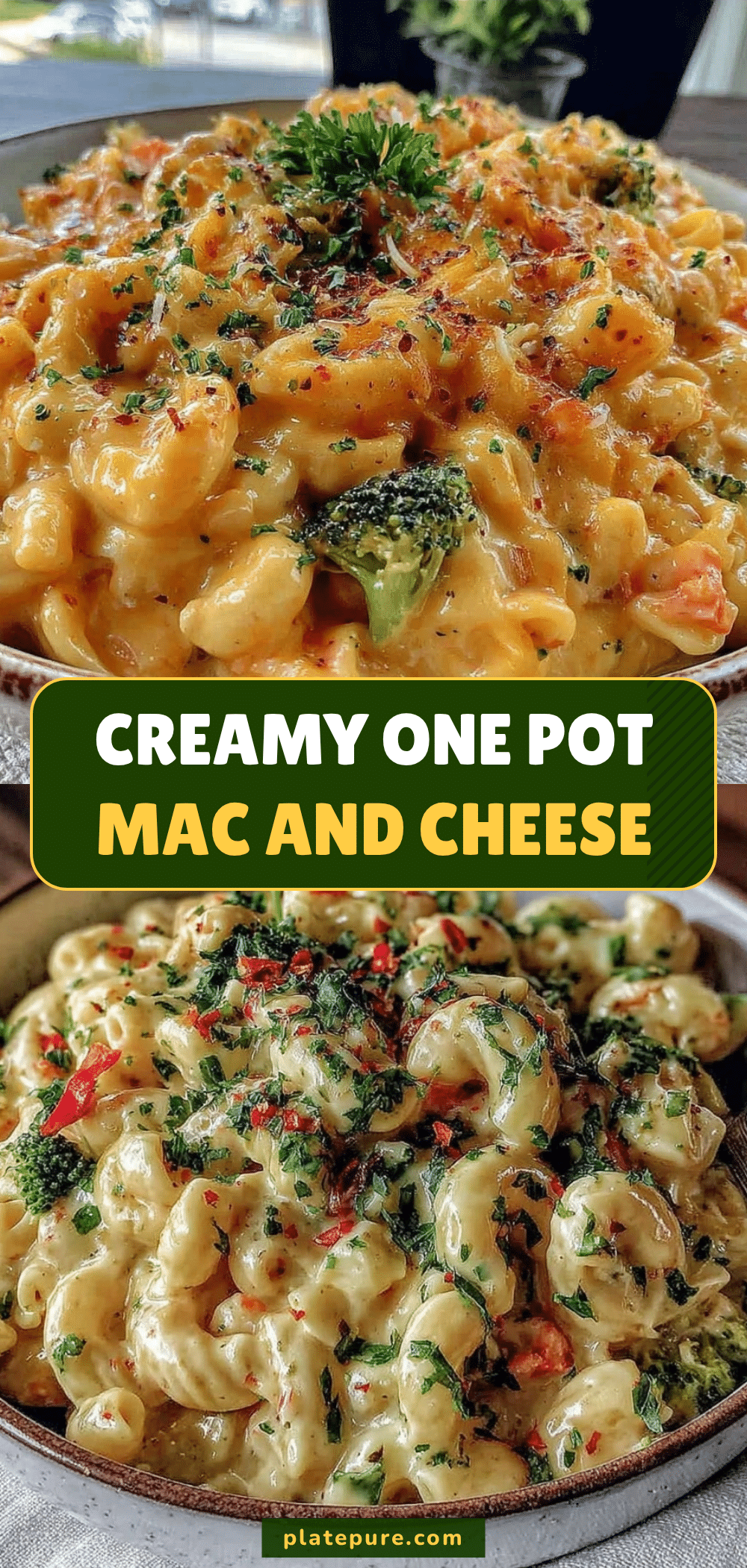

One Pot Healthy Mac And Cheese: Easy Bright & Punchy
- Total Time: 30 minutes
- Yield: 4 servings 1x
Description
A creamy, tangy, and healthy one-pot mac and cheese that uses cauliflower and nutritional yeast for a rich sauce without heavy cream. It’s quick, easy, and packed with bright flavors from lemon and mustard.
Ingredients
- 1 head cauliflower, cut into small florets
- 8 oz pasta (elbows, shells, or cavatappi; whole wheat or chickpea recommended)
- 1 small yellow onion or 1/2 white onion, chopped
- 3 cloves garlic, minced
- 4 cups low-sodium vegetable broth
- 1 tbsp olive oil
- 1/4 cup nutritional yeast
- 1 tbsp fresh lemon juice
- 1 tsp Dijon mustard
- Salt and black pepper to taste
- 1/4 cup sharp cheddar cheese (optional)
Instructions
- Cut cauliflower into small florets. Chop onion and mince garlic.
- Heat olive oil in a large 6-quart pot over medium heat. Add onion and a pinch of salt; cook for 3-4 minutes until translucent.
- Add garlic and cook for 1 minute, stirring constantly.
- Add cauliflower florets and vegetable broth to the pot. Ensure liquid barely covers vegetables.
- Add dry pasta and stir to submerge. Bring to a boil, then reduce heat to low, cover, and simmer for 10-12 minutes until pasta and cauliflower are tender.
- Remove pot from heat and let cool for 2-3 minutes.
- Blend the mixture directly in the pot using an immersion blender (or transfer to a standard blender) until smooth.
- Stir in nutritional yeast, lemon juice, Dijon mustard, salt, and pepper. Blend briefly to combine.
- If using cheddar, stir it in now to melt.
- Serve immediately, topped with fresh herbs if desired.
Notes
If the sauce is too thick after blending, add a splash of milk or water to reach desired consistency. Do not overcook the pasta as it will continue to cook in residual heat. Blend while hot for the smoothest texture. This recipe does not freeze well.
- Prep Time: 10 minutes
- Cook Time: 20 minutes
- Category: Main Course
- Cuisine: American
Nutrition
- Serving Size: 1 bowl
- Calories: 320
- Sugar: 6
- Sodium: 450
- Fat: 8
- Saturated Fat: 2
- Carbohydrates: 55
- Fiber: 8
- Protein: 12
Keywords: healthy mac and cheese, one pot meal, cauliflower mac and cheese, vegetarian, gluten-free option, quick dinner, comfort food