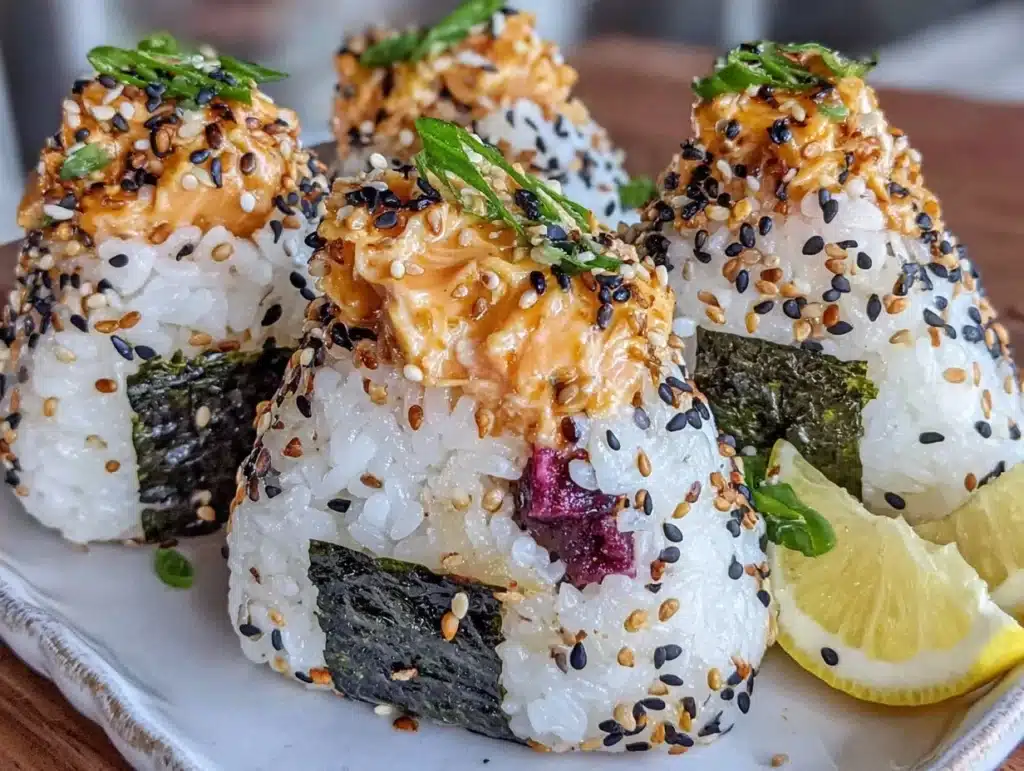
There is nothing quite like the crisp crackle of perfectly seared salmon hitting hot rice. It’s a sound that signals immediate comfort. I remember standing in my kitchen during a particularly rainy Tuesday, craving something that felt fancy but required zero effort. That’s when I decided to deconstruct my favorite sushi roll into a bowl. The result was the crispy salmon onigiri bowl, and honestly, it changed my lunch game forever.
Most people think onigiri are complicated rice balls you need special molds for. Let’s face it, that’s just not true. You can take that beloved texture and flavor profile and throw it into a bowl. It’s faster, easier, and infinitely more flexible. I’ve made this recipe for work lunches, quick dinners, and even late-night snacks when the hunger hits hard.
What makes this dish special is the contrast. You get the crunch of the salmon, the stickiness of the rice, and a bright citrus jolt that cuts through the richness. It’s not just another bland grain bowl. It’s a flavor explosion. If you love bold tastes without the fuss, this is your new go-to. You’ll see why this crispy salmon onigiri bowl is becoming a staple in my weekly rotation.
I tested this over a dozen times to get the rice-to-salmon ratio just right. The goal was simple: maximum crunch, maximum flavor, minimum cleanup. It’s perfect for busy weeknights when you want to eat well but don’t have hours to cook. Plus, it’s a great way to use up leftover rice, which we all know tends to sit in the fridge for days.
Why You’ll Love This Recipe
This isn’t just another salmon recipe. It’s a technique-driven dish that brings the best parts of Japanese street food into your everyday meal prep. After years of experimenting with different cooking methods, I found that crisping the salmon skin-side down in sesame oil creates an unmatched texture. It’s crunchy, savory, and deeply satisfying.
- Quick & Easy: This comes together in under 15 minutes. It’s perfect for those chaotic mornings or when you’re craving lunch but don’t want to wait for delivery.
- Simple Ingredients: You likely have most of this in your pantry. Rice, salmon, soy sauce, and a few seasonings. No obscure grocery trips needed.
- Perfect for Meal Prep: The components store well separately, making it ideal for prepping ahead. Just assemble when you’re ready to eat.
- Crowd-Pleaser: Even people who claim they “don’t like fish” usually love this. The crispy texture and tangy dressing win them over every time.
- Unbelievably Delicious: The combination of warm rice, hot salmon, and cool toppings creates a sensory experience that feels indulgent yet balanced.
What sets this apart from other bowls is the attention to detail. We aren’t just dumping ingredients together. We are building layers of flavor. The sesame seeds add nuttiness, the nori adds umami, and the citrus adds brightness. It’s comfort food reimagined with a modern twist. It’s the kind of meal that makes you pause and appreciate the simplicity of good food.
I often serve this alongside a tomato cucumber and onion salad for a complete, refreshing meal. The acidity in the salad complements the rich salmon perfectly. It’s a pairing that just works, adding a fresh crunch to your bowl experience.
What Ingredients You Will Need
This recipe relies on high-quality, fresh ingredients to deliver bold flavor. The simplicity of the component list allows each element to shine. Here is what you need to create the perfect crispy salmon onigiri bowl.
- Salmon Fillets: Look for fresh, wild-caught salmon if possible. Skin-on fillets are essential for getting that crispy texture. I prefer sustainable sources to ensure quality and environmental responsibility.
- Sushi Rice or Short-Grain Rice: This is crucial. Long-grain rice won’t stick together. You need that sticky, chewy texture that mimics traditional onigiri. Japanese brands like Kokuho Rose or Nishiki work beautifully.
- Sesame Oil: Toasted sesame oil adds a deep, nutty aroma. It’s the key to that authentic Japanese flavor profile. Do not substitute with regular vegetable oil if you want the true taste.
- Soy Sauce: Use a low-sodium soy sauce to control the saltiness. It provides the umami backbone for the dish. I like to drizzle it directly over the rice for even distribution.
- Mayonnaise: Japanese mayo like Kewpie adds a rich, creamy tang. It pairs wonderfully with the salmon. If you can’t find Kewpie, a mix of mayo and a little mustard works as a substitute.
- Seaweed (Nori): Sheet nori adds a salty, oceanic crunch. It’s non-negotiable for the onigiri vibe. You can buy them in packs and store them in an airtight container.
- Green Onions: Thinly sliced scallions add a fresh, sharp bite. They cut through the richness of the fish and mayo. Use both the white and green parts for best flavor.
- Citrus (Yuzu or Lemon): A splash of yuzu juice or fresh lemon juice provides the necessary acidity. This is the “jolt” that wakes up your palate. Yuzu is traditional, but lemon is a great everyday alternative.
- Shichimi Togarashi: This Japanese seven-spice blend adds a gentle heat and complexity. It’s optional but highly recommended for that authentic finish. If you don’t have it, red pepper flakes will do.
For those watching their carb intake, you can swap the white rice for cauliflower rice, though the texture will differ significantly. I also recommend pairing this with a tropical shrimp avocado bowl if you want to switch up your protein while keeping the fresh, bright vibe.
Equipment Needed
You don’t need fancy gadgets to make this. A few basic tools will get the job done efficiently.
- Non-Stick Skillet: A good non-stick pan is essential for crisping the salmon without it sticking. I use a 10-inch skillet for two fillets.
- Rice Cooker or Saucepan: For cooking the rice. A rice cooker is convenient, but a saucepan with a tight lid works fine too.
- Bowl for Mixing: A large bowl to toss the warm rice with seasoning. This helps the rice absorb the flavors.
- Sharp Knife: To slice the salmon and chop the green onions. A sharp knife makes clean cuts, which improves presentation.
- Pastry Brush or Spoon: For applying the soy sauce and mayo mixture to the rice or salmon.
I’ve tried using cast iron for the salmon, but it requires more oil to prevent sticking. The non-stick surface is more forgiving for beginners. Also, keep your knife sharp; dull knives slip and can be dangerous when handling fish.
Preparation Method
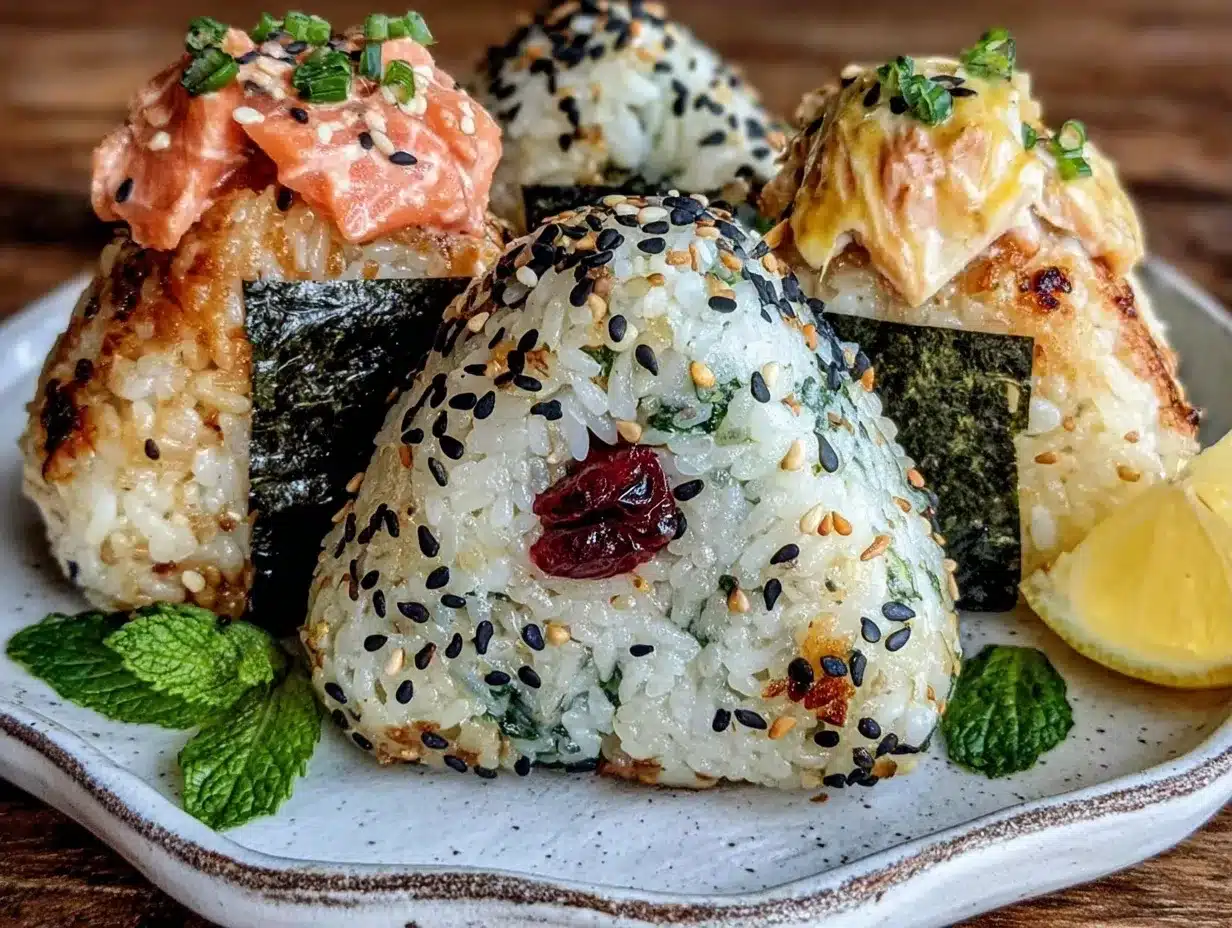
- Cook the Rice: Rinse your sushi rice under cold water until the water runs clear. This removes excess starch and prevents mushiness. Cook the rice according to package instructions. Once done, let it steam for 10 minutes off the heat. This step is critical for the right texture.
- Season the Rice: While the rice is still warm, gently fold in a mixture of rice vinegar, sugar, and a pinch of salt. Use a cutting motion with your spatula to avoid crushing the grains. Let it cool to room temperature. Warm rice holds the toppings better.
- Prepare the Salmon: Pat the salmon fillets completely dry with paper towels. Moisture is the enemy of crispiness. Season both sides with salt and pepper. Heat sesame oil in your skillet over medium-high heat until it shimmers.
- Sear the Salmon: Place the salmon skin-side down in the hot pan. Press gently with a spatula to ensure even contact. Cook for 4-5 minutes without moving it. You want the skin to turn golden and crispy. Flip carefully and cook for another 1-2 minutes for medium-rare, or longer if you prefer well-done.
- Make the Sauce: In a small bowl, mix mayonnaise, soy sauce, and a squeeze of citrus juice. Whisk until smooth. This creamy, tangy sauce ties all the elements together.
- Assemble the Bowl: Place a generous scoop of seasoned rice in the bottom of your bowl. Flake the crispy salmon over the rice. Drizzle the mayo sauce generously over the top. Add sliced green onions, shredded nori, and a sprinkle of sesame seeds.
- Finish and Serve: Add a dash of shichimi togarashi if you like heat. Serve immediately while the salmon is still warm and crisp. Enjoy the contrast of textures in every bite.
For a richer flavor profile, you might enjoy this bowl alongside a creamy garlic salmon pasta on different days. Both dishes highlight salmon but offer completely different culinary experiences.
Cooking Tips & Techniques
Getting the salmon perfectly crispy requires a bit of technique. The most common mistake is overcrowding the pan. Give the fillets space so steam can escape. If the pan is too crowded, the fish steams instead of sears.
Another tip is to keep the heat consistent. Medium-high is ideal. If it’s too low, the skin won’t crisp. If it’s too high, the oil will smoke and burn. I learned this the hard way after burning my first few batches.
Don’t skip the drying step for the salmon. Water creates steam, and steam prevents browning. Pat it dry, then dry it again. It sounds excessive, but it makes a huge difference.
When mixing the rice, do it gently. You want to preserve the integrity of the grains. Overmixing leads to a gummy texture, which isn’t what you want for an onigiri bowl. Think of it as folding, not stirring.
Timing is everything. Assemble the bowl just before eating. If you let the salmon sit on the rice too long, it loses its crunch. The contrast between the hot rice and crispy fish is the star of the show.
Variations & Adaptations
This recipe is highly adaptable. Here are a few ways to make it your own.
- Spicy Version: Add sriracha or gochujang to the mayo sauce. This creates a spicy mayo drizzle that pairs perfectly with the fish.
- Vegetarian Option: Swap the salmon for crispy tofu or tempeh. Marinate it in soy and ginger before pan-frying for similar flavor.
- Gluten-Free: Use tamari instead of soy sauce. Most other ingredients are naturally gluten-free, making this an easy swap.
- Low-Carb: Replace the rice with cauliflower rice or zucchini noodles. It changes the texture but keeps the flavors intact.
I’ve also tried adding avocado slices for extra creaminess. It’s a delicious addition that balances the crunch. For a different protein twist, you could use crispy Vietnamese shrimp for a seafood variation that feels light and fresh.
Serving & Storage Suggestions
Serve this bowl immediately after assembly. It pairs well with a light green tea or a cold beer. The bitterness of the tea complements the richness of the salmon.
Leftovers can be stored in an airtight container in the refrigerator for up to two days. However, the rice will harden, and the salmon will lose its crispness. To restore texture, reheat the salmon in a skillet for a minute or two. Microwave the rice with a splash of water to soften it.
For meal prep, store the components separately. Keep the rice, salmon, and toppings in different containers. Assemble when you’re ready to eat. This ensures the best texture and flavor every time.
The flavors actually meld nicely overnight if you keep them separate. The rice absorbs the ambient aromas, creating a subtle depth. Just remember to add the fresh garnishes right before serving.
Nutritional Information & Benefits
This bowl is packed with protein and healthy fats. Salmon is rich in omega-3 fatty acids, which are great for heart and brain health. The rice provides energy, while the vegetables add fiber and vitamins.
A typical serving contains approximately 450-500 calories, depending on portion sizes. It’s a balanced meal that keeps you full for hours. The healthy fats from the salmon help absorb fat-soluble vitamins from the vegetables.
It’s also naturally gluten-free if you use tamari. This makes it accessible for people with dietary restrictions. The use of fresh ingredients ensures you’re getting maximum nutrients without processed additives.
I often choose this for lunch because it doesn’t leave me feeling sluggish. The combination of protein and complex carbs provides steady energy. It’s a smart choice for busy professionals or students.
Conclusion
The crispy salmon onigiri bowl is more than just a meal; it’s a experience. It combines the comfort of rice with the excitement of crispy, flavorful salmon. It’s easy to make, delicious to eat, and satisfying to share.
I encourage you to experiment with the toppings and sauces. Make it spicy, make it creamy, make it yours. The base recipe is a canvas for your creativity. Don’t be afraid to tweak it until it’s perfect for your taste buds.
This recipe has become a cornerstone of my kitchen routine. It’s reliable, tasty, and always a crowd-pleaser. I hope it becomes a favorite for you too. Give it a try this week and see how much you enjoy it.
If you make this, I’d love to hear how it turns out. Leave a comment below with your variations or tips. Share your photos on social media and tag me. Let’s keep the conversation going and inspire each other to cook better meals.
Frequently Asked Questions
Can I use leftover rice for this recipe?
Yes, leftover rice works great. In fact, day-old rice is often better because it’s drier and holds its shape well. Just make sure to warm it up slightly before assembling.
What kind of salmon is best for this?
Skin-on salmon fillets are best for getting that crispy texture. Wild-caught salmon tends to have a firmer texture, which holds up well to searing.
How do I keep the salmon crispy?
Pat the salmon dry before cooking and use a hot pan with enough oil. Cook it skin-side down first and don’t move it until it releases easily from the pan.
Can I make this ahead of time?
You can prep the components ahead, but assemble just before eating. The rice will harden in the fridge, and the salmon will lose its crunch if stored together.
What can I substitute for nori?
If you don’t have nori, you can use furikake seasoning or even crushed potato chips for a crunchy topping. Both add a nice salty crunch.
Pin This Recipe!
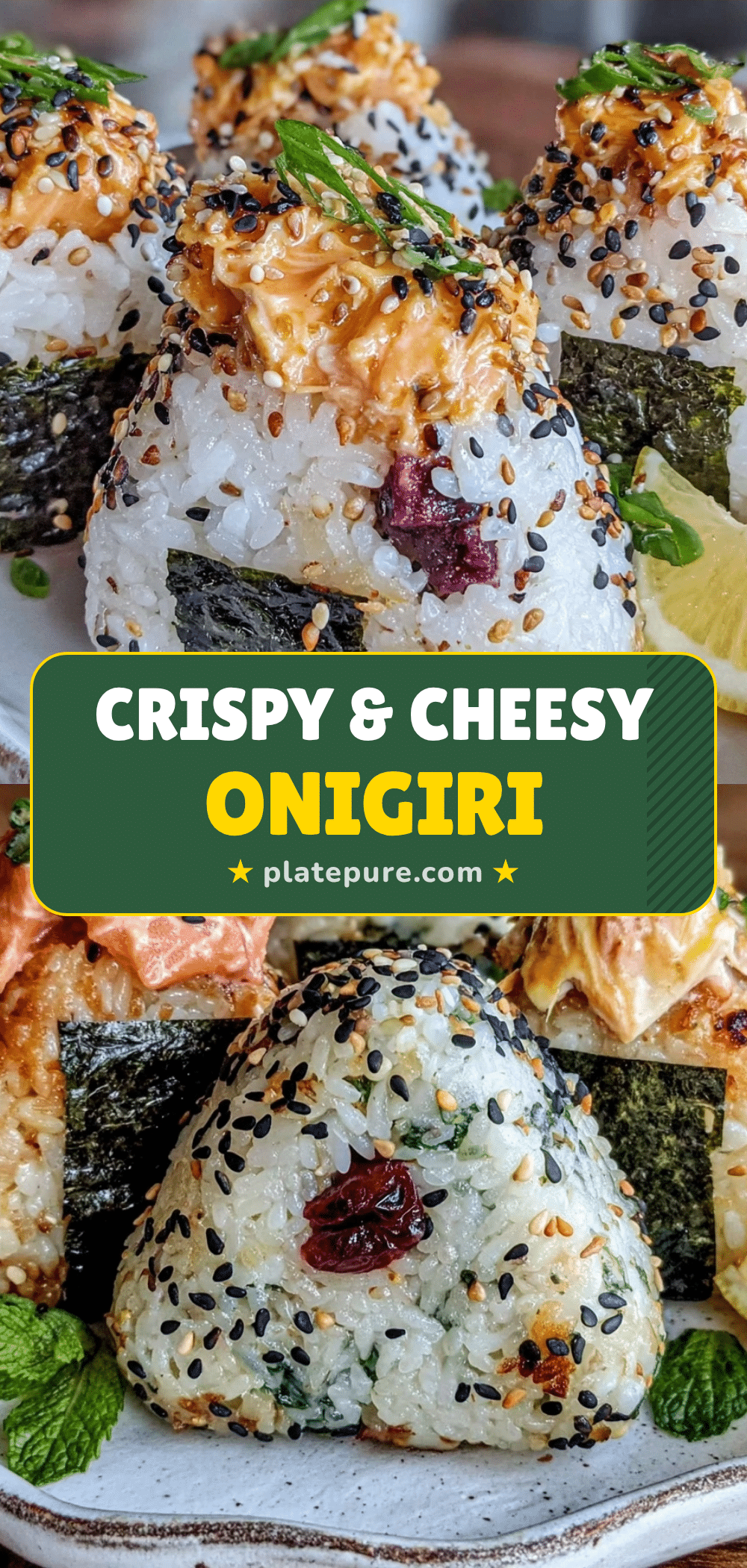
Crispy Salmon Onigiri Bowl: 5-Min Lunch with Citrus Jolt
- Total Time: 15 minutes
- Yield: 2 servings
Description
A quick and flavorful deconstructed sushi bowl featuring crispy seared salmon skin, seasoned sticky rice, and a tangy citrus-mayo drizzle. This dish offers maximum crunch and flavor with minimal effort.
Ingredients
- Salmon fillets (skin-on, wild-caught preferred)
- Sushi rice or short-grain rice
- Toasted sesame oil
- Low-sodium soy sauce
- Japanese mayonnaise (e.g., Kewpie)
- Sheet nori (seaweed)
- Green onions (scallions), thinly sliced
- Yuzu juice or fresh lemon juice
- Shichimi togarashi (Japanese seven-spice blend)
- Rice vinegar
- Sugar
- Salt
- Black pepper
Instructions
- Rinse sushi rice under cold water until clear. Cook according to package instructions and let steam for 10 minutes off heat.
- While rice is warm, gently fold in a mixture of rice vinegar, sugar, and a pinch of salt. Let cool to room temperature.
- Pat salmon fillets completely dry with paper towels. Season both sides with salt and pepper.
- Heat sesame oil in a non-stick skillet over medium-high heat until shimmering.
- Place salmon skin-side down in the pan. Press gently and cook for 4-5 minutes without moving until skin is golden and crispy.
- Flip salmon and cook for 1-2 minutes for medium-rare, or longer for well-done.
- In a small bowl, whisk together mayonnaise, soy sauce, and citrus juice to make the sauce.
- Assemble the bowl by placing seasoned rice at the bottom, flaking crispy salmon over it, and drizzling with the sauce.
- Top with sliced green onions, shredded nori, sesame seeds, and a sprinkle of shichimi togarashi.
- Serve immediately while the salmon is still warm and crisp.
Notes
Ensure salmon is patted very dry before cooking to maximize crispiness. Do not overcrowd the pan. Assemble the bowl just before eating to maintain the contrast between hot rice and crispy salmon. Leftovers should be stored separately to preserve texture.
- Prep Time: 5 minutes
- Cook Time: 10 minutes
- Category: Main Course
- Cuisine: Japanese
Nutrition
- Serving Size: 1 bowl per person
- Calories: 475
- Sugar: 4
- Sodium: 680
- Fat: 22
- Saturated Fat: 4
- Carbohydrates: 45
- Fiber: 2
- Protein: 28
Keywords: crispy salmon, onigiri bowl, sushi bowl, quick lunch, healthy dinner, salmon skin, sesame oil, citrus dressing, meal prep, gluten-free option